Call Anytime
+33759449097

Refined Rapeseed Oil Suppliers Japan
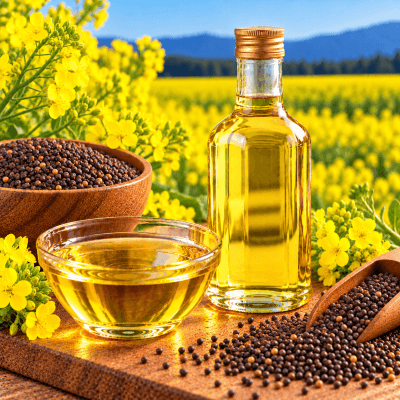
Refined Rapeseed Oil Supplier in Japan
Refined rapeseed oil is a versatile vegetable oil used by food manufacturers, food processors, commercial kitchens, ingredient suppliers, and wholesale distributors. Huile Nature SARL serves international commercial markets for vegetable oils, helping buyers evaluate refined rapeseed oil for food production, packaged oil distribution, frying operations, and other suitable manufacturing applications in Japan.
Refined Rapeseed Oil Sourcing Considerations for Japan
For commercial use in Japan, buyers should identify the intended application and required grade, then review the product specification, composition, sensory characteristics, packaging, shelf-life conditions, and supporting documentation. Importers should confirm applicable Japanese food-safety, import notification, labelling, and destination-market requirements with their qualified compliance team before commercial use.
Produced by refining extracted rapeseed oil, this product is valued for its mild flavour, liquid consistency, and adaptable role in food formulations. Its suitability for specific processes depends on the oil's fatty acid composition, refining quality, sensory characteristics, and the technical requirements of the finished product.
For Japanese importers and commercial buyers, sourcing refined rapeseed oil requires consideration of product specifications, food-grade documentation, packaging, and applicable import regulations. Huile Nature SARL welcomes enquiries from businesses seeking to establish clear technical and purchasing requirements for their vegetable oil supply.
What Is Refined Rapeseed Oil?
Refined rapeseed oil is obtained from rapeseed and processed to reduce unwanted components that may affect flavour, odour, colour, stability, and application performance. Depending on the production process and required specification, refining can include degumming, neutralisation or physical refining, bleaching, and deodorisation.
The finished oil generally has a mild sensory profile, making it suitable for applications where manufacturers prefer a vegetable oil that does not dominate the taste of the final product. Its fatty acid composition commonly includes oleic acid, linoleic acid, and alpha-linolenic acid, although proportions vary by seed variety and product grade.
Refined rapeseed oil should not automatically be treated as identical to canola oil. Canola refers to rapeseed varieties that meet specific compositional criteria, including low erucic acid content. Buyers requiring canola specifications or particular fatty acid limits should confirm those requirements through product documentation and analytical results.
Applications of Refined Rapeseed Oil in Japan
Refined rapeseed oil can serve multiple commercial purposes across the food supply chain. The most appropriate grade depends on the product being manufactured, the processing conditions, and the applicable regulatory requirements.
Food Manufacturing and Ingredient Processing
Food manufacturers may use refined rapeseed oil in formulations that require a neutral-tasting liquid vegetable oil. Depending on the product specification, potential applications include:
-
Sauces, dressings, and condiments
-
Prepared meals and convenience foods
-
Vegetable oil blends
-
Selected bakery products
-
Packaged food formulations
-
Processed foods requiring an edible oil ingredient
Manufacturers should confirm the oil's sensory properties, fatty acid profile, and compatibility with their recipes before adopting it for production.
Commercial Frying and Foodservice
Refined rapeseed oil may be suitable for frying applications when its specification meets the required operating conditions. Restaurants, catering companies, industrial kitchens, and foodservice distributors can evaluate it according to frying temperature, oil turnover, flavour retention, and operational cost.
For continuous or repeated frying, processors should consider oxidation performance and establish appropriate filtration, monitoring, and replacement procedures.
Bakery and Snack Production
Bakeries and snack manufacturers may use refined rapeseed oil in selected recipes and processing operations. Depending on the formulation, it can contribute fat content and support the desired texture and handling characteristics.
Its mild flavour can be useful when the finished product's own flavour profile should remain prominent.
Packaged Edible Oil Distribution
Oil packers, wholesalers, and distributors may evaluate refined rapeseed oil for retail, foodservice, or business-to-business distribution. Packaging compatibility, product labelling, traceability, and destination-market requirements should be confirmed before the product enters the distribution chain.
Food Ingredient Supply
Ingredient suppliers may source refined rapeseed oil for resale to manufacturers and processors. A clearly defined specification helps distributors compare products, communicate technical information to customers, and manage purchasing requirements.
Benefits of Refined Rapeseed Oil for Commercial Buyers
Refined rapeseed oil offers several practical characteristics that may be valuable for commercial production.
-
Mild flavour: Its relatively neutral sensory profile suits many formulations where a strong oil taste is undesirable.
-
Versatile functionality: Appropriate grades can be considered for cooking, frying, food manufacturing, and ingredient blending.
-
Defined composition: Fatty acid profile and quality parameters can be specified to support formulation and purchasing decisions.
-
Liquid handling: Its liquid form under typical ambient conditions can support pumping, metering, mixing, and filling operations.
-
Procurement flexibility: Buyers can define requirements around quantity, packaging, technical specifications, and intended use.
Actual performance depends on refining quality, storage conditions, processing temperatures, and the characteristics of the finished product. Buyers should evaluate the complete specification rather than selecting solely by product name.
Refined Rapeseed Oil Quality Specifications
When sourcing refined rapeseed oil in Japan, manufacturers and importers should review a current product specification and request a batch-specific Certificate of Analysis where available. Acceptance limits should be agreed upon according to the intended application.
|
Parameter |
Importance for commercial use |
|---|---|
|
Free fatty acid content |
Helps assess refining quality and compliance with the buyer's specification |
|
Fatty acid profile |
Identifies the proportions of major fatty acids |
|
Peroxide value |
Indicates primary oxidation at the time of testing |
|
Moisture and volatile matter |
Relevant to product quality and storage |
|
Insoluble impurities |
Helps assess the presence of suspended foreign material |
|
Colour and odour |
Important for sensory and finished-product requirements |
|
Refining status |
Confirms the product grade and processing stage |
|
Traceability and batch records |
Support quality assurance and supply-chain controls |
|
Packaging suitability |
Helps protect the oil during storage and transportation |
Depending on the application, buyers may also require additional analytical results, food-grade documentation, shelf-life information, and records supporting regulatory compliance. Any numerical quality limits should be established using the actual product documentation and relevant market requirements.
Refined Rapeseed Oil Compared with Other Vegetable Oils
Choosing an oil involves evaluating more than its source. Different vegetable oils offer different fatty acid profiles, sensory characteristics, and processing performance.
|
Consideration |
Refined rapeseed oil |
Other refined vegetable oils |
|---|---|---|
|
Flavour |
Generally mild |
Varies by oil type and refining quality |
|
Fatty acid composition |
Commonly includes oleic, linoleic, and alpha-linolenic acids |
Depends on the source oil |
|
Food applications |
Suitable for a range of cooking and manufacturing uses, depending on grade |
Application depends on the oil's characteristics |
|
Formulation requirements |
Can be selected according to its documented fatty acid profile |
Requires assessment against the same product-specific criteria |
|
Purchasing priorities |
Composition, sensory quality, refining status, and cost |
Specification, performance, availability, and commercial terms |
For applications requiring higher oleic acid content, buyers may also evaluate high-oleic rapeseed oil as a separate product category. The correct choice depends on the target formulation, operating conditions, and required composition.
Supplying Refined Rapeseed Oil to Commercial Buyers in Japan
Japan's food manufacturing, processing, and distribution businesses may require vegetable oils for different production and purchasing models. Food manufacturers often prioritise consistent technical parameters, while wholesalers and importers may focus on packaging, documentation, customer requirements, and commercial terms.
Huile Nature SARL, based in Caen, France, welcomes enquiries from Japanese businesses evaluating refined rapeseed oil for food production, ingredient distribution, and commercial processing. Buyers can specify their intended use and required product characteristics to support a focused review of the relevant supply requirements.
A detailed enquiry should identify the desired grade, quantity, destination, packaging preference, and any mandatory analytical or regulatory documentation. These details help establish the basis for a commercial quotation.
Storage and Handling Guidelines
Refined rapeseed oil should be stored in clean, suitable containers and protected from conditions that may accelerate oxidation or introduce contaminants.
Commercial users should follow these practices:
-
Keep containers properly sealed when not in use.
-
Protect the oil from excessive heat and prolonged exposure to light and air.
-
Use clean tanks, hoses, pumps, and transfer equipment.
-
Prevent contact with water, cleaning residues, and incompatible materials.
-
Follow the product-specific storage temperature and shelf-life guidance.
-
Maintain batch identification and stock rotation records.
-
Inspect seals and packaging before accepting a shipment.
For bulk handling, receiving facilities should have suitable storage infrastructure and procedures for edible vegetable oils. Food manufacturers should incorporate the oil into their established quality and food safety management systems.
Why Choose Huile Nature SARL?
Huile Nature SARL serves international markets for vegetable oils and related commercial products, working with businesses across food manufacturing, processing, distribution, and ingredient supply.
For refined rapeseed oil enquiries, the company welcomes discussions based on the buyer's intended application, technical requirements, purchasing volume, and destination. This specification-led approach helps commercial buyers establish the information needed to evaluate product suitability and procurement conditions.
Japanese importers, food processors, wholesalers, distributors, and ingredient suppliers can submit their requirements for review, including any particular fatty acid limits, packaging preferences, or documentation standards.
Request a Refined Rapeseed Oil Quotation in Japan
If your business requires refined rapeseed oil for food manufacturing, commercial frying, packaged edible oil products, ingredient blending, or wholesale distribution in Japan, contact Huile Nature SARL with your purchasing requirements.
To help clarify your enquiry, include:
-
Required quantity and anticipated order frequency
-
Intended application and product grade
-
Any specific fatty acid or quality parameters
-
Preferred packaging or bulk shipment format
-
Destination port or delivery location in Japan
-
Required analytical reports and regulatory documentation
Providing these details helps establish the technical criteria and commercial conditions relevant to your request.
Frequently Asked Questions About Refined Rapeseed Oil in Japan
1. What is refined rapeseed oil used for?
Refined rapeseed oil is used in suitable food manufacturing, cooking, frying, bakery production, ingredient blending, and packaged edible oil applications. The correct grade depends on the intended use and applicable food regulations.
2. Is refined rapeseed oil suitable for commercial frying?
It may be suitable for commercial frying when its specification supports the required temperature and operating conditions. Buyers should consider oxidation performance, frying duration, and oil management practices.
3. Is refined rapeseed oil the same as canola oil?
Not always. Canola oil comes from rapeseed varieties that meet specific compositional criteria, including low erucic acid content. Buyers requiring canola specifications should verify the product's composition and documentation.
4. What quality parameters should buyers check?
Important parameters include free fatty acid content, fatty acid profile, peroxide value, moisture, insoluble impurities, colour, odour, and refining status. Additional testing may be required for specific manufacturing applications.
5. Can refined rapeseed oil be used in packaged foods?
Suitable grades can be used in packaged food formulations when the product meets the manufacturer's technical requirements and the applicable food safety, labelling, and regulatory standards.
6. How should refined rapeseed oil be stored?
Store the oil in clean, sealed containers and protect it from excessive heat, light, air exposure, and contamination. Follow the supplier's product-specific storage and shelf-life recommendations.
7. How can Japanese buyers request a quotation?
Buyers can provide their intended application, quantity, preferred packaging, destination, required product specifications, and documentation needs to Huile Nature SARL for commercial review.

Explore More Vegetable & Specialty Oils
Almond Oil
Almond oil is a specialty nut-derived oil obtained from almond kernels, primarily from Pru...
Learn More
Bakery Shortening
Bakery shortening is a structured vegetable fat used in baking and food manufacturing wher...
Learn More
Baobab Oil
Baobab oil is a specialty plant oil obtained from the seeds of the baobab fruit. It is les...
Learn More
Barley Oil
Barley oil is a specialty grain-derived oil associated with barley, a cereal grain widely ...
Learn More
Black Seed Oil
Black seed oil is a specialty seed oil obtained from the seeds of Nigella sativa, commonly...
Learn More
Brazil Nut Oil
Brazil nut oil is a specialty nut-derived oil obtained from Brazil nuts, the seeds of Bert...
Learn More
Camelina Oil
Camelina oil is a specialty seed oil obtained from camelina, particularly Camelina sativa,...
Learn More
Cashew Oil
Cashew oil is a specialty nut-derived oil obtained from cashew kernels, Anacardium occiden...
Learn More
Chia Seed Oil
Chia seed oil is a specialty vegetable oil obtained from the seeds of Salvia hispanica. It...
Learn More
Cold-Pressed Avocado Oil
Cold-pressed avocado oil is a specialty edible oil obtained from avocado fruit using mecha...
Learn More
Cold-Pressed Canola Oil
Cold-pressed canola oil is a specialty vegetable oil obtained from canola seeds through me...
Learn More
Cold-Pressed Hazelnut Oil
Cold-pressed hazelnut oil is a specialty nut oil obtained from hazelnut kernels through me...
Learn More
Cold-Pressed Rapeseed Oil
Cold-pressed rapeseed oil is a specialty vegetable oil obtained from rapeseed through mech...
Learn More
Cold-Pressed Sesame Oil
Cold-pressed sesame oil is a specialty vegetable oil obtained from sesame seeds through me...
Learn More
Cold-Pressed Sunflower Oil
Cold-pressed sunflower oil is a specialty vegetable oil obtained from sunflower seeds thro...
Learn More
Cold-Pressed Walnut Oil
Cold-pressed walnut oil is a specialty edible oil obtained from walnut kernels through mec...
Learn More
Crude Coconut Oil
Crude coconut oil is an unrefined vegetable oil extracted from the kernel or meat of matur...
Learn More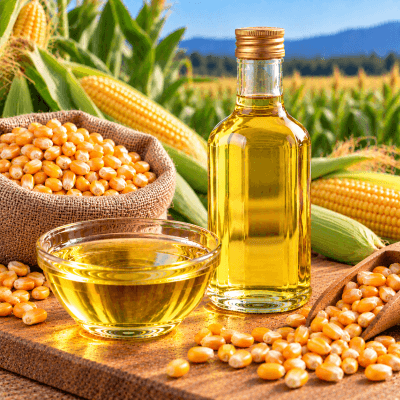
Crude Corn Oil
Crude Corn Oil is an unrefined vegetable oil obtained from corn, primarily from the germ f...
Learn More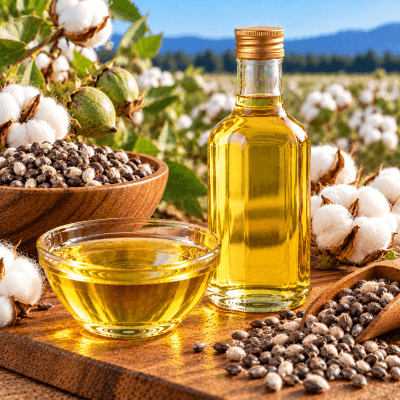
Crude Cottonseed Oil
Crude Cottonseed Oil is an unrefined vegetable oil obtained from cottonseed and primarily ...
Learn More
Crude Palm Kernel Oil
Crude palm kernel oil is an unrefined vegetable oil extracted from the kernel inside the f...
Learn More
Crude Palm Oil
Crude Palm Oil (CPO) is an unrefined vegetable oil extracted from the fleshy mesocarp of o...
Learn More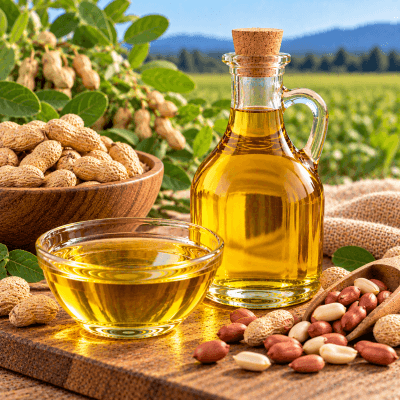
Crude Peanut Oil
Crude Peanut Oil is an unrefined vegetable oil obtained from peanuts and primarily used as...
Learn More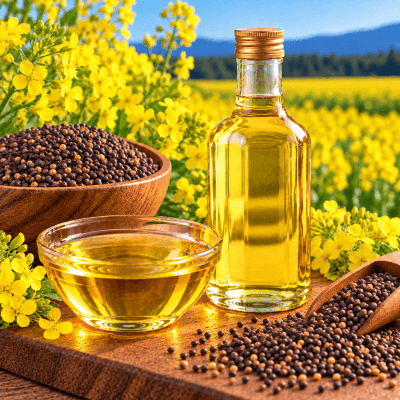
Crude Rapeseed Oil
Crude Rapeseed Oil is an unrefined vegetable oil obtained from rapeseed and primarily used...
Learn More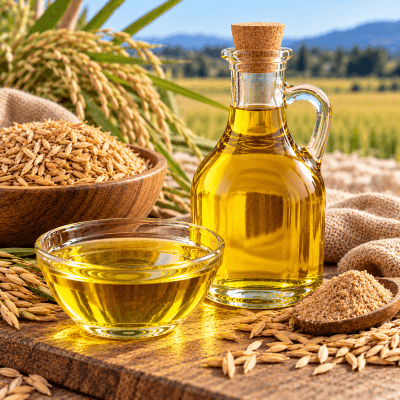
Crude Rice Bran Oil
Crude rice bran oil is an unrefined oil recovered from rice bran, the outer layers removed...
Learn More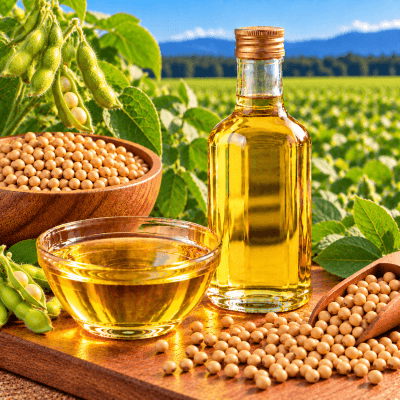
Crude Soybean Oil
Crude soybean oil is an unrefined vegetable oil extracted from soybeans during the oil pro...
Learn More
Crude Sunflower Oil
Crude Sunflower Oil is an unrefined vegetable oil obtained from sunflower seeds and primar...
Learn More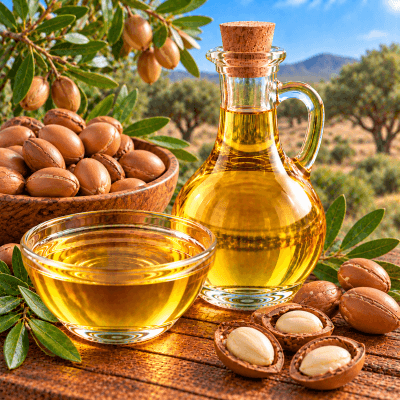
Culinary Argan Oil
Culinary argan oil is a specialty edible oil produced from the kernels of the argan tree, ...
Learn More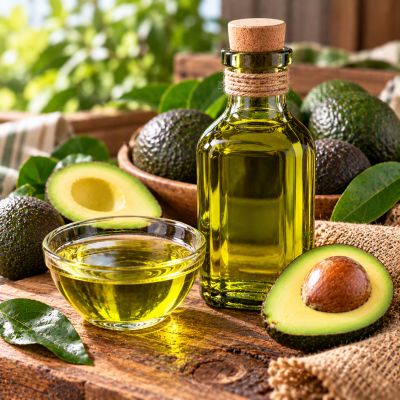
Extra Virgin Avocado Oil
Extra virgin avocado oil is a premium avocado-derived oil obtained from high-quality avoca...
Learn More
Extra Virgin Olive Oil
Extra virgin olive oil is the highest category of virgin olive oil and is obtained directl...
Learn More
Flaxseed Oil
Flaxseed oil is a specialty vegetable oil obtained from the seeds of the flax plant, Linum...
Learn More
Food-Grade Margarine
Food-grade margarine is a formulated edible fat product made from vegetable oils and fats,...
Learn More
Fractionated Palm Oil
Fractionated palm oil is a specialty vegetable oil ingredient produced by separating palm ...
Learn More
Grapeseed Oil
Grapeseed oil is a specialty vegetable oil extracted from the seeds of grapes, typically r...
Learn More
Hazelnut Oil
Hazelnut oil is a specialty nut-derived oil obtained from hazelnut kernels, primarily from...
Learn More
Hemp Seed Oil
Hemp seed oil is a specialty seed oil obtained from the seeds of the hemp plant, Cannabis ...
Learn More
High-Oleic Canola Oil
High-oleic canola oil is a canola oil produced from specially selected varieties with a hi...
Learn More
High-Oleic Frying Oil
High-oleic frying oil is a vegetable oil with a higher proportion of oleic acid than conve...
Learn More
High-Oleic Rapeseed Oil
High-Oleic Rapeseed Oil is a specialty vegetable oil produced from rapeseed varieties sele...
Learn More
High-Oleic Safflower Oil
High-Oleic Safflower Oil is a specialty vegetable oil produced from safflower varieties se...
Learn More
High-Oleic Soybean Oil
High-oleic soybean oil is a specialty vegetable oil produced from soybean varieties select...
Learn More
High-Oleic Sunflower Oil
High-Oleic Sunflower Oil is a specialty vegetable oil produced from sunflower varieties se...
Learn More
Hydrogenated Vegetable Fat
Hydrogenated Vegetable Fat is a plant-based fat produced by modifying vegetable oils throu...
Learn More
Interesterified Vegetable Fat
Interesterified Vegetable Fat is a structured vegetable fat produced by rearranging the fa...
Learn More
Linseed Oil
Linseed oil is a specialty seed oil obtained from the seeds of the flax plant, Linum usita...
Learn More
Macadamia Oil
Macadamia oil is a specialty nut-derived oil obtained from macadamia kernels, primarily fr...
Learn More
Moringa Oil
Moringa oil is a specialty seed oil obtained from the seeds of Moringa oleifera, a plant w...
Learn More
Mustard Oil
Mustard oil is a distinctive seed-derived oil produced from mustard seeds and used in culi...
Learn More
Niger Seed Oil
Niger seed oil is a specialty vegetable oil extracted from the seeds of the Niger plant, c...
Learn More
Oat Oil
Oat oil is a specialty grain-derived oil obtained from oat material and is used in selecte...
Learn More
Organic Canola Oil
Organic canola oil is a plant-based edible oil produced from canola grown and handled acco...
Learn More
Organic Coconut Oil
Organic coconut oil is a plant-based oil obtained from coconuts produced and handled accor...
Learn More
Organic Extra Virgin Olive Oil
Organic extra-virgin olive oil is an olive oil produced from olives using mechanical or ot...
Learn More
Organic Palm Olein
Organic palm olein is the liquid fraction obtained through the fractionation of palm oil. ...
Learn More
Organic Rapeseed Oil
Organic rapeseed oil is a plant-based edible oil produced from rapeseed cultivated and han...
Learn More
Organic RBD Palm Oil
Organic RBD palm oil is a refined palm-based edible oil produced through refining, bleachi...
Learn More
Organic Sesame Oil
Organic sesame oil is a plant-based edible oil obtained from sesame seeds produced accordi...
Learn More
Organic Soybean Oil
Organic soybean oil is a plant-based edible oil obtained from soybean seeds produced under...
Learn More
Organic Sunflower Oil
Organic sunflower oil is a plant-based edible oil obtained from sunflower seeds produced u...
Learn More
Organic Virgin Coconut Oil
Organic virgin coconut oil is a coconut-derived edible oil produced from fresh coconut mat...
Learn More
Palm Kernel Olein
Palm kernel olein is the liquid fraction obtained through the fractionation of palm kernel...
Learn More
Palm Kernel Stearin
Palm kernel stearin is the solid fraction obtained through the fractionation of palm kerne...
Learn More
Palm Oil Blend
Palm Oil Blend is a formulated edible oil product that combines palm oil with one or more ...
Learn More
Pecan Oil
Pecan oil is a specialty nut-derived oil obtained from pecan kernels, the edible seeds of ...
Learn More
Perilla Oil
Perilla oil is a specialty seed oil obtained from the seeds of the perilla plant, particul...
Learn More
Pistachio Oil
Pistachio oil is a specialty nut-derived oil obtained from pistachio kernels, the edible s...
Learn More
Pomace Olive Oil
Pomace olive oil is an olive-derived oil obtained from olive pomace, the solid material re...
Learn More
Poppy Seed Oil
Poppy seed oil is a specialty edible oil obtained from the seeds of the poppy plant. It ha...
Learn More
Pumpkin Seed Oil
Pumpkin seed oil is a specialty vegetable oil pressed or extracted from pumpkin seeds and ...
Learn More
RBD Palm Kernel Oil
RBD palm kernel oil is a refined vegetable oil obtained from the kernel of the oil palm fr...
Learn More
RBD Palm Oil
RBD Palm Oil is refined, bleached, and deodorized palm oil obtained from the fleshy mesoca...
Learn More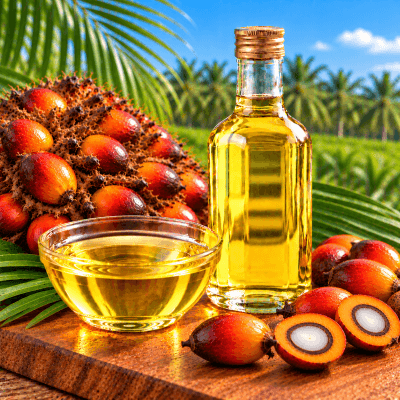
RBD Palm Olein
RBD Palm Olein is the liquid fraction obtained through the refining and fractionation of p...
Learn More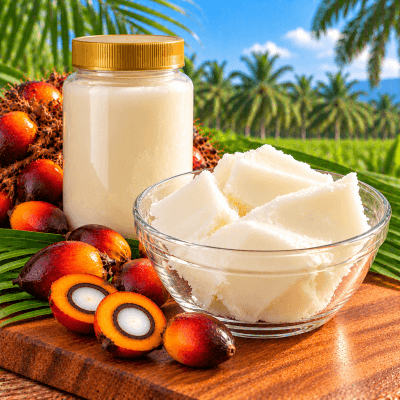
RBD Palm Stearin
RBD Palm Stearin is the solid fraction obtained through the refining and fractionation of ...
Learn More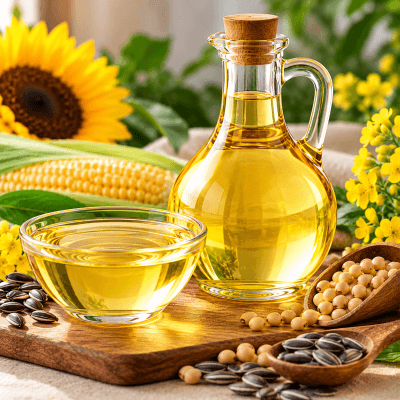
RBD Vegetable Oil
RBD Vegetable Oil is a refined, bleached, and deodorized vegetable oil processed to produc...
Learn More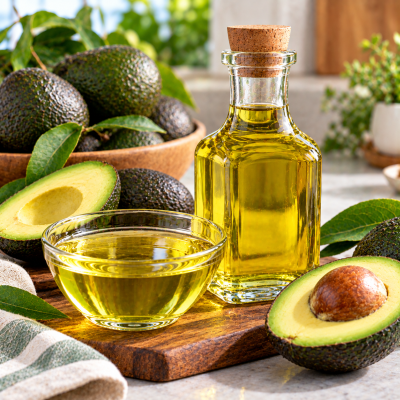
Refined Avocado Oil
Refined avocado oil is a processed vegetable oil obtained from avocado fruit, primarily fr...
Learn More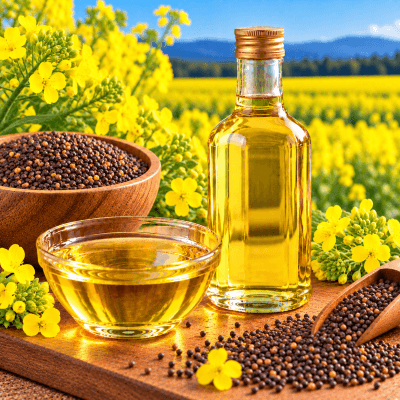
Refined Canola Oil
Refined Canola Oil is a refined vegetable oil produced from canola seed, a type of low-eru...
Learn More
Refined Coconut Oil
Refined coconut oil is an edible vegetable oil produced by processing crude coconut oil to...
Learn More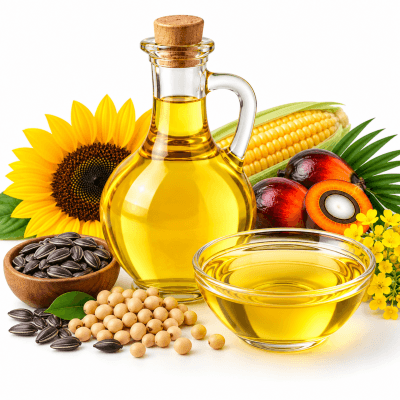
Refined Cooking Oil
Refined cooking oil is vegetable oil that has undergone refining processes designed to rem...
Learn More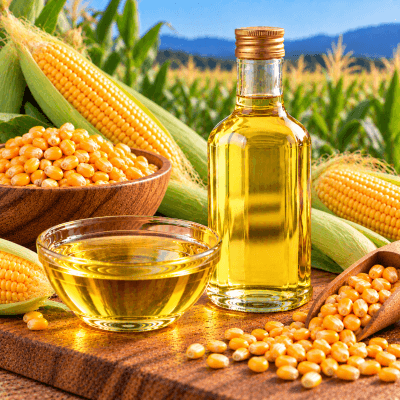
Refined Corn Oil
Refined Corn Oil is a vegetable oil produced primarily from corn germ and processed throug...
Learn More
Refined Cottonseed Oil
Refined Cottonseed Oil is a vegetable oil produced from cottonseed and processed through r...
Learn More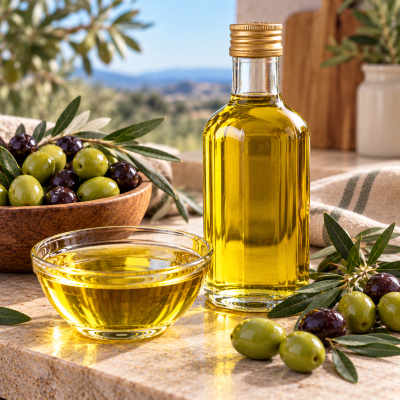
Refined Olive Oil
Refined olive oil is an olive-derived oil that has undergone refining processes to reduce ...
Learn More
Refined Peanut Oil
Refined Peanut Oil is a food-grade vegetable oil produced from peanuts and processed throu...
Learn More
Refined Rapeseed Oil
Refined Rapeseed Oil is a vegetable oil produced from rapeseed and processed through refin...
Learn More
Refined Rice Bran Oil
Refined Rice Bran Oil is an edible vegetable oil produced from rice bran and processed thr...
Learn More
Refined Safflower Oil
Refined Safflower Oil is a vegetable oil produced from safflower seeds and processed throu...
Learn More
Refined Sesame Oil
Refined Sesame Oil is a food-grade vegetable oil produced from sesame seeds and processed ...
Learn More
Refined Soybean Oil
Refined soybean oil is an edible vegetable oil produced by processing crude soybean oil to...
Learn More
Refined Sunflower Oil
Refined Sunflower Oil is an edible vegetable oil produced from sunflower seeds and process...
Learn More
Refined Vegetable Oil
Refined vegetable oil is plant-based oil that has undergone processing to remove or reduce...
Learn More
Sunflower Oil Blend
Sunflower oil blend is a formulated vegetable oil product that combines sunflower oil with...
Learn More
Toasted Sesame Oil
Toasted Sesame Oil is a specialty culinary oil produced from sesame seeds that have been t...
Learn More
Vegetable Oil Blend
Vegetable oil blend is a formulated combination of two or more edible vegetable oils desig...
Learn More
Vegetable Shortening
Vegetable shortening is a semi-solid or solid fat made from vegetable oils and formulated ...
Learn More
Virgin Coconut Oil
Virgin coconut oil is a specialty edible oil obtained from fresh coconut kernel or meat us...
Learn More
Virgin Olive Oil
Virgin olive oil is an olive-derived oil obtained directly from olives using mechanical or...
Learn More
Virgin Sesame Oil
Virgin Sesame Oil is a specialty sesame oil produced from sesame seeds using mechanical or...
Learn More
Walnut Oil
Walnut oil is a specialty nut-derived oil obtained from walnut kernels, commonly from Jugl...
Learn More
Wheat Germ Oil
Wheat germ oil is a specialty plant-derived oil obtained from the germ portion of the whea...
Learn More