Call Anytime
+33759449097

Cashew Oil Suppliers Malaysia
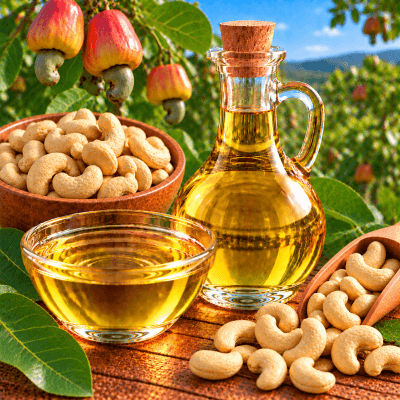
Cashew Oil Supplier in Malaysia
Huile Nature SARL supports commercial sourcing enquiries for cashew oil in Malaysia, serving food manufacturers, specialty ingredient distributors, importers, wholesalers, and businesses developing premium food and personal care products. Obtained from cashew nuts (Anacardium occidentale), cashew oil can be considered for specialised culinary formulations and selected cosmetic applications, depending on the product grade, processing method, and documented suitability.
Cashew Oil Sourcing Considerations for Malaysia
For commercial use in Malaysia, buyers should identify the intended application and required grade, then review the product specification, composition, sensory characteristics, packaging, shelf-life conditions, and supporting documentation. Importers should confirm applicable Malaysiaese food-safety, import notification, labelling, and destination-market requirements with their qualified compliance team before commercial use.
For Malaysiaese buyers, cashew oil offers an opportunity to expand specialty oil portfolios with an ingredient associated with the distinctive characteristics of cashew nuts. Selecting the right product requires attention to its intended use, fatty acid composition, sensory properties, processing requirements, and allergen considerations.
Huile Nature SARL welcomes commercial enquiries from businesses seeking cashew oil for manufacturing, ingredient supply, distribution, and other suitable applications.
What Is Cashew Oil?
Cashew oil is a plant-derived oil associated with cashew nuts. In commercial sourcing, it is important to distinguish edible oil obtained from cashew kernels from cashew nut shell liquid, a different material derived from the cashew shell.
Cashew kernel oil may be considered for appropriate food or specialty formulations when supplied in a suitable grade. Its composition generally includes oleic and linoleic acids, alongside other fatty acids, with the precise profile varying according to the raw material and processing method.
Cashew nut shell liquid has different chemical and industrial characteristics and should not be treated as interchangeable with edible cashew kernel oil. Buyers should specify the exact product required to avoid confusion during procurement.
For Malaysiaese manufacturers and importers, confirming the source material, grade, and intended application is an essential first step in selecting a suitable cashew oil.
Commercial Applications of Cashew Oil in Malaysia
Specialty Culinary Formulations
Suitable food-grade cashew oil may be evaluated for selected gourmet recipes, dressings, sauces, and specialty edible oil products. Its flavour profile and compatibility with other ingredients should be assessed during formulation.
Premium Food Manufacturing
Food manufacturers developing distinctive product ranges may consider cashew oil where its botanical origin and sensory characteristics complement the finished product. The appropriate specification depends on the formulation, processing conditions, and intended shelf life.
Ingredient Blending and Product Development
Ingredient suppliers and product developers may evaluate cashew oil as a component in selected oil blends and specialty formulations. Buyers should compare the oil's composition, flavour, oxidation stability, and cost with the requirements of the finished product.
Confectionery and Gourmet Food Products
Depending on the grade and formulation, cashew-derived ingredients may be relevant to confectionery, gourmet foods, and other premium product categories. Manufacturers should confirm whether they require cashew kernel oil or another cashew-derived ingredient, as these materials have different functional properties.
Cosmetic and Personal Care Formulations
An appropriately specified cosmetic-grade cashew kernel oil may be considered for selected personal care formulations. Cosmetic buyers should verify the product's technical documentation, quality parameters, and suitability for the intended formulation rather than assuming that food-grade and cosmetic-grade products are identical.
Choosing the Right Cashew Oil Grade
The correct cashew oil depends on the intended end use and the product characteristics required by the buyer.
-
Food-grade cashew kernel oil: Intended for suitable edible applications and required to meet relevant food-quality and safety standards.
-
Cold-pressed cashew kernel oil: May be considered where mechanical extraction and characteristic sensory properties are important.
-
Refined cashew kernel oil: May suit applications requiring a more controlled flavour, aroma, or colour profile, depending on the product specification.
-
Cosmetic-grade cashew kernel oil: Intended for appropriate personal care formulations and should meet the relevant technical requirements.
-
Cashew nut shell liquid: A separate shell-derived material used in selected industrial applications; it is not an edible substitute for cashew kernel oil.
When requesting a quotation, Malaysiaese buyers should clearly identify the required material, grade, processing method, and application. This helps ensure that the product under consideration matches the actual manufacturing requirement.
Technical Specifications for Commercial Buyers
A defined specification helps Malaysiaese businesses assess product suitability and compare commercial offers.
|
Parameter |
Purchasing consideration |
|---|---|
|
Product identity |
Confirm cashew kernel oil rather than cashew nut shell liquid |
|
Intended grade |
Specify food-grade, cosmetic-grade, or another appropriate grade |
|
Extraction method |
Identify cold-pressed, refined, or other processing requirements |
|
Fatty acid profile |
Review composition where relevant to the formulation |
|
Free fatty acid value |
Assess against the agreed product specification |
|
Peroxide value |
Helps evaluate primary oxidation |
|
Moisture and impurities |
Confirm acceptable limits for the selected grade |
|
Colour, aroma, and flavour |
Important for sensory consistency and finished-product quality |
|
Packaging |
Select a format suitable for handling and storage |
|
Quality documentation |
Request the applicable specification sheet and available certificate of analysis |
The exact acceptance limits should be agreed for the specific product. For food applications, allergen information and applicable labelling requirements also need to be considered.
Cashew Oil Compared with Other Specialty Nut Oils
Cashew oil is part of a wider category of specialty oils used in selected food and personal care formulations. Each oil has a different sensory profile and composition.
|
Oil |
Distinguishing characteristic |
Potential application consideration |
|---|---|---|
|
Cashew kernel oil |
Associated with cashew nuts and specialty ingredient applications |
Selected culinary and cosmetic formulations |
|
Brazil nut oil |
Typically has a mild, nutty sensory profile |
Specialty culinary and personal care products |
|
Almond oil |
Often has a mild flavour and versatile formulation profile |
Selected food and cosmetic uses |
|
Hazelnut oil |
Recognisable nutty flavour |
Gourmet food, dressings, and confectionery |
|
Walnut oil |
Distinctive flavour and unsaturated fatty acid profile |
Specialty dressings and cold-use recipes |
The most appropriate option depends on flavour, composition, processing performance, application requirements, cost, and allergen management. These oils should not be considered interchangeable without evaluating the finished formulation.
Bulk Cashew Oil Sourcing for Malaysia
Huile Nature SARL welcomes enquiries from Malaysiaese food manufacturers, importers, distributors, wholesalers, and specialty ingredient buyers seeking cashew oil for commercial use.
To help define your sourcing requirement, include:
-
The exact product required and its intended application.
-
Desired grade and extraction or refining method.
-
Estimated order quantity and purchasing frequency.
-
Required fatty acid or other technical specifications.
-
Packaging preference and destination details.
-
Quality documentation and applicable compliance requirements.
Food manufacturers should specify the intended edible application and any sensory or compositional targets. Cosmetic manufacturers should describe the formulation requirements and relevant technical parameters. Buyers seeking shell-derived cashew material should identify it explicitly rather than requesting edible cashew kernel oil.
Providing these details helps clarify the required product specification and supports a focused commercial discussion.
Quality, Allergen Management and Storage
Cashew oil procurement requires appropriate attention to product identity, handling, storage, and end-use requirements.
Cashews are tree nuts and are a recognised food allergen. Food manufacturers should assess the specific ingredient, possible cross-contact risks, ingredient declarations, and applicable labelling requirements for the destination market. They should not assume that processing automatically eliminates allergen concerns.
As with other vegetable oils, exposure to excessive heat, oxygen, and light can affect quality. Buyers should follow the product-specific storage recommendations and select packaging suitable for the intended supply chain.
For cosmetic applications, the grade and technical documentation should correspond to the intended use. Product specifications should clearly distinguish cashew kernel oil from cashew nut shell liquid, particularly when purchasing materials for different manufacturing sectors.
Malaysiaese importers should verify the applicable product classification, documentation, labelling, and import requirements before placing an order.
Why Choose Huile Nature SARL for Cashew Oil?
Huile Nature SARL is an international supplier of vegetable oils and specialty oils, supporting commercial sourcing enquiries from manufacturers, ingredient distributors, wholesalers, and other business customers.
For buyers in Malaysia, sourcing discussions can be based on the exact product identity, intended application, required grade, quantity, packaging format, and technical specifications. This application-led approach helps businesses assess whether a particular cashew oil is suitable for their manufacturing or distribution needs.
Based in Caen, France, Huile Nature SARL serves international commercial markets and welcomes enquiries from Malaysiaese businesses looking to expand their specialty oil sourcing options.
Request a Cashew Oil Quotation in Malaysia
If your business in Malaysia is sourcing cashew oil for specialty food products, ingredient manufacturing, wholesale distribution, or suitable cosmetic formulations, contact Huile Nature SARL with your requirements.
Include the product grade, intended application, quantity, packaging preference, and any required technical documentation. Food-sector buyers should identify food-grade cashew kernel oil and consider allergen management as part of their product development and compliance process.
A clear enquiry helps establish the required specification and supports a focused discussion of commercial terms.
Frequently Asked Questions About Cashew Oil in Malaysia
1. What is cashew oil used for?
Depending on the grade, cashew kernel oil may be considered for selected culinary products, specialty food formulations, ingredient blending, and cosmetic applications. The product specification should match the intended use.
2. What is the difference between cashew kernel oil and cashew nut shell liquid?
Cashew kernel oil is obtained from the nut kernel and may be supplied in grades suitable for certain food or cosmetic applications. Cashew nut shell liquid is a separate shell-derived material with different chemical and industrial characteristics. They are not interchangeable.
3. Can Malaysiaese manufacturers source cashew oil in bulk?
Businesses in Malaysia can submit commercial sourcing enquiries to Huile Nature SARL. Include the required grade, application, quantity, packaging preference, and quality specifications for review.
4. Is cashew oil suitable for food products?
Cashew kernel oil may be suitable for selected food applications when supplied in an appropriate food-grade form and compliant with relevant requirements. Buyers should verify the product documentation and assess allergen and labelling obligations.
5. What specifications should buyers review before purchasing?
Relevant parameters may include product identity, grade, extraction method, fatty acid profile, free fatty acid value, peroxide value, moisture and impurities, sensory properties, packaging, and supporting documentation.
6. What information is needed to request a quotation?
Provide the intended application, exact product required, grade, estimated quantity, processing preference, packaging requirements, destination, and any technical or regulatory documentation needs.

Explore More Vegetable & Specialty Oils
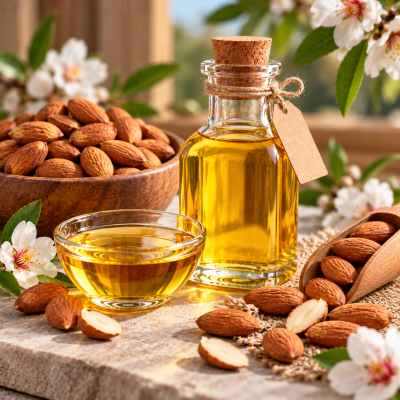
Almond Oil
Almond oil is a specialty nut-derived oil obtained from almond kernels, primarily from Pru...
Learn More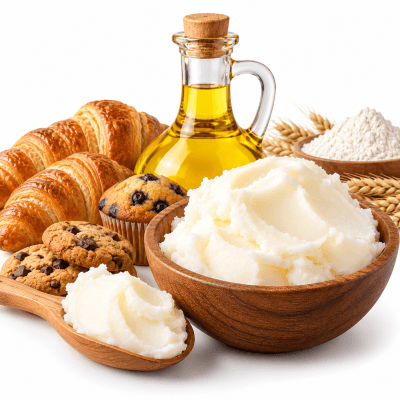
Bakery Shortening
Bakery shortening is a structured vegetable fat used in baking and food manufacturing wher...
Learn More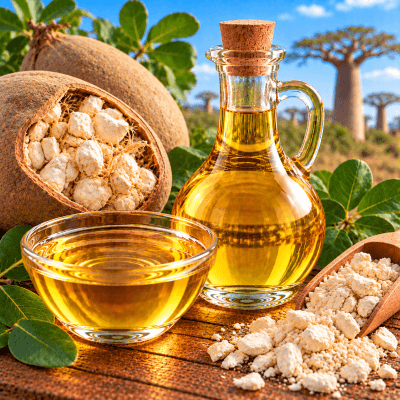
Baobab Oil
Baobab oil is a specialty plant oil obtained from the seeds of the baobab fruit. It is les...
Learn More
Barley Oil
Barley oil is a specialty grain-derived oil associated with barley, a cereal grain widely ...
Learn More
Black Seed Oil
Black seed oil is a specialty seed oil obtained from the seeds of Nigella sativa, commonly...
Learn More
Brazil Nut Oil
Brazil nut oil is a specialty nut-derived oil obtained from Brazil nuts, the seeds of Bert...
Learn More
Camelina Oil
Camelina oil is a specialty seed oil obtained from camelina, particularly Camelina sativa,...
Learn More
Cashew Oil
Cashew oil is a specialty nut-derived oil obtained from cashew kernels, Anacardium occiden...
Learn More
Chia Seed Oil
Chia seed oil is a specialty vegetable oil obtained from the seeds of Salvia hispanica. It...
Learn More
Cold-Pressed Avocado Oil
Cold-pressed avocado oil is a specialty edible oil obtained from avocado fruit using mecha...
Learn More
Cold-Pressed Canola Oil
Cold-pressed canola oil is a specialty vegetable oil obtained from canola seeds through me...
Learn More
Cold-Pressed Hazelnut Oil
Cold-pressed hazelnut oil is a specialty nut oil obtained from hazelnut kernels through me...
Learn More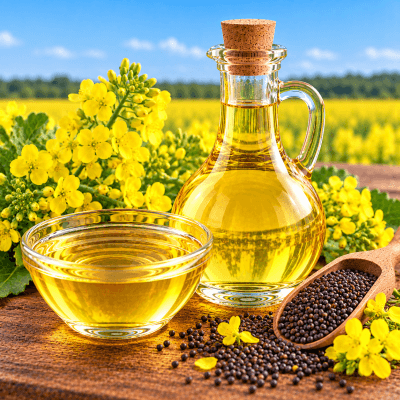
Cold-Pressed Rapeseed Oil
Cold-pressed rapeseed oil is a specialty vegetable oil obtained from rapeseed through mech...
Learn More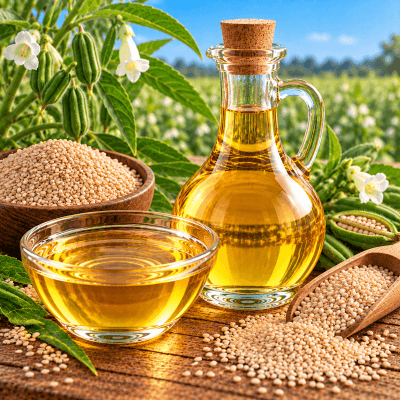
Cold-Pressed Sesame Oil
Cold-pressed sesame oil is a specialty vegetable oil obtained from sesame seeds through me...
Learn More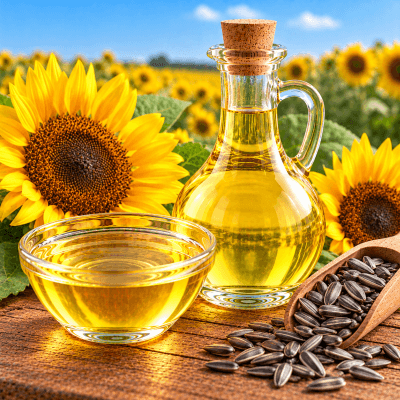
Cold-Pressed Sunflower Oil
Cold-pressed sunflower oil is a specialty vegetable oil obtained from sunflower seeds thro...
Learn More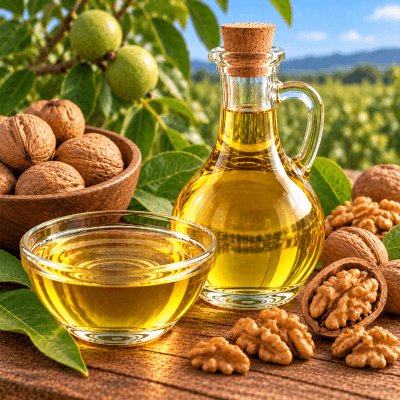
Cold-Pressed Walnut Oil
Cold-pressed walnut oil is a specialty edible oil obtained from walnut kernels through mec...
Learn More
Crude Coconut Oil
Crude coconut oil is an unrefined vegetable oil extracted from the kernel or meat of matur...
Learn More
Crude Corn Oil
Crude Corn Oil is an unrefined vegetable oil obtained from corn, primarily from the germ f...
Learn More
Crude Cottonseed Oil
Crude Cottonseed Oil is an unrefined vegetable oil obtained from cottonseed and primarily ...
Learn More
Crude Palm Kernel Oil
Crude palm kernel oil is an unrefined vegetable oil extracted from the kernel inside the f...
Learn More
Crude Palm Oil
Crude Palm Oil (CPO) is an unrefined vegetable oil extracted from the fleshy mesocarp of o...
Learn More
Crude Peanut Oil
Crude Peanut Oil is an unrefined vegetable oil obtained from peanuts and primarily used as...
Learn More
Crude Rapeseed Oil
Crude Rapeseed Oil is an unrefined vegetable oil obtained from rapeseed and primarily used...
Learn More
Crude Rice Bran Oil
Crude rice bran oil is an unrefined oil recovered from rice bran, the outer layers removed...
Learn More
Crude Soybean Oil
Crude soybean oil is an unrefined vegetable oil extracted from soybeans during the oil pro...
Learn More
Crude Sunflower Oil
Crude Sunflower Oil is an unrefined vegetable oil obtained from sunflower seeds and primar...
Learn More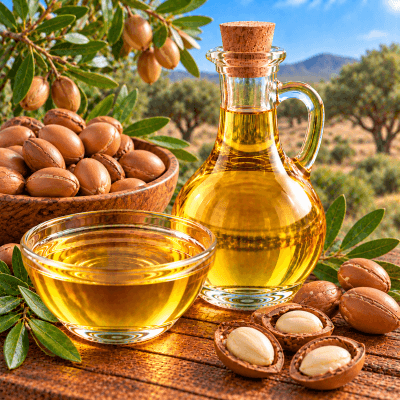
Culinary Argan Oil
Culinary argan oil is a specialty edible oil produced from the kernels of the argan tree, ...
Learn More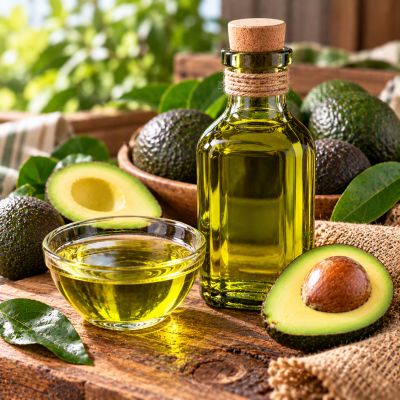
Extra Virgin Avocado Oil
Extra virgin avocado oil is a premium avocado-derived oil obtained from high-quality avoca...
Learn More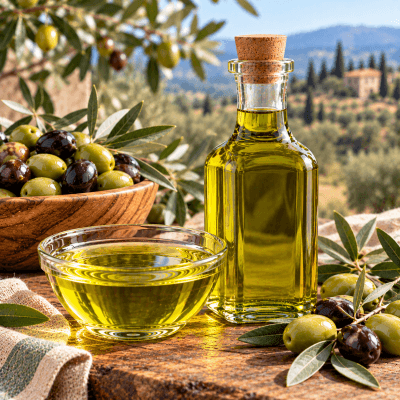
Extra Virgin Olive Oil
Extra virgin olive oil is the highest category of virgin olive oil and is obtained directl...
Learn More
Flaxseed Oil
Flaxseed oil is a specialty vegetable oil obtained from the seeds of the flax plant, Linum...
Learn More
Food-Grade Margarine
Food-grade margarine is a formulated edible fat product made from vegetable oils and fats,...
Learn More
Fractionated Palm Oil
Fractionated palm oil is a specialty vegetable oil ingredient produced by separating palm ...
Learn More
Grapeseed Oil
Grapeseed oil is a specialty vegetable oil extracted from the seeds of grapes, typically r...
Learn More
Hazelnut Oil
Hazelnut oil is a specialty nut-derived oil obtained from hazelnut kernels, primarily from...
Learn More
Hemp Seed Oil
Hemp seed oil is a specialty seed oil obtained from the seeds of the hemp plant, Cannabis ...
Learn More
High-Oleic Canola Oil
High-oleic canola oil is a canola oil produced from specially selected varieties with a hi...
Learn More
High-Oleic Frying Oil
High-oleic frying oil is a vegetable oil with a higher proportion of oleic acid than conve...
Learn More
High-Oleic Rapeseed Oil
High-Oleic Rapeseed Oil is a specialty vegetable oil produced from rapeseed varieties sele...
Learn More
High-Oleic Safflower Oil
High-Oleic Safflower Oil is a specialty vegetable oil produced from safflower varieties se...
Learn More
High-Oleic Soybean Oil
High-oleic soybean oil is a specialty vegetable oil produced from soybean varieties select...
Learn More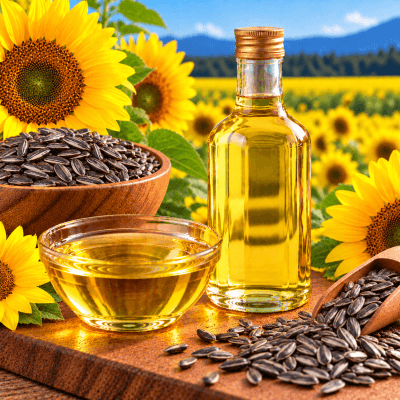
High-Oleic Sunflower Oil
High-Oleic Sunflower Oil is a specialty vegetable oil produced from sunflower varieties se...
Learn More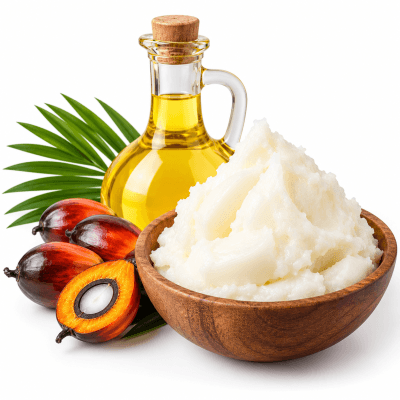
Hydrogenated Vegetable Fat
Hydrogenated Vegetable Fat is a plant-based fat produced by modifying vegetable oils throu...
Learn More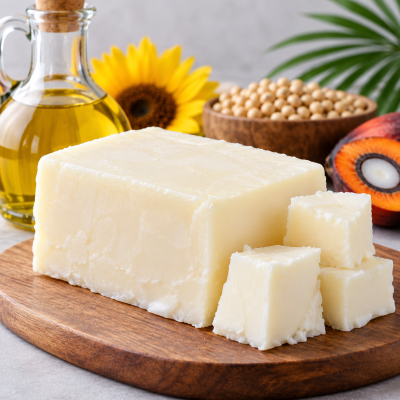
Interesterified Vegetable Fat
Interesterified Vegetable Fat is a structured vegetable fat produced by rearranging the fa...
Learn More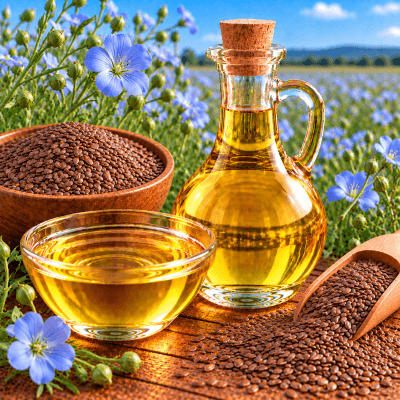
Linseed Oil
Linseed oil is a specialty seed oil obtained from the seeds of the flax plant, Linum usita...
Learn More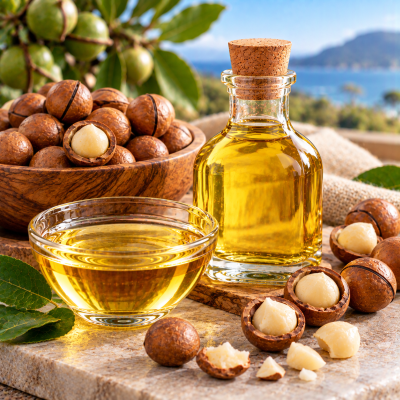
Macadamia Oil
Macadamia oil is a specialty nut-derived oil obtained from macadamia kernels, primarily fr...
Learn More
Moringa Oil
Moringa oil is a specialty seed oil obtained from the seeds of Moringa oleifera, a plant w...
Learn More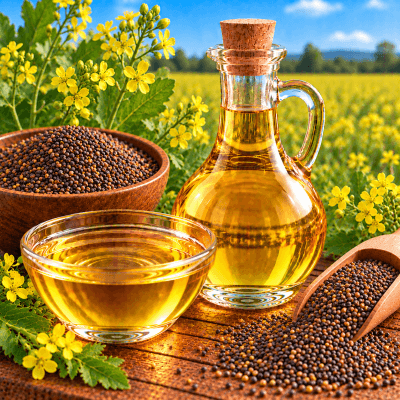
Mustard Oil
Mustard oil is a distinctive seed-derived oil produced from mustard seeds and used in culi...
Learn More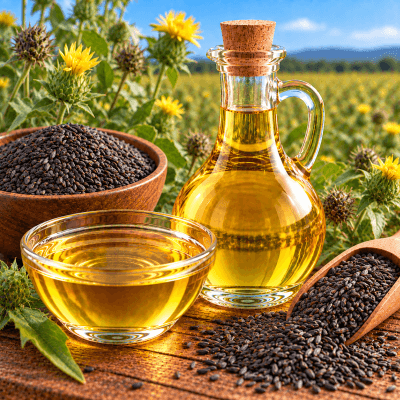
Niger Seed Oil
Niger seed oil is a specialty vegetable oil extracted from the seeds of the Niger plant, c...
Learn More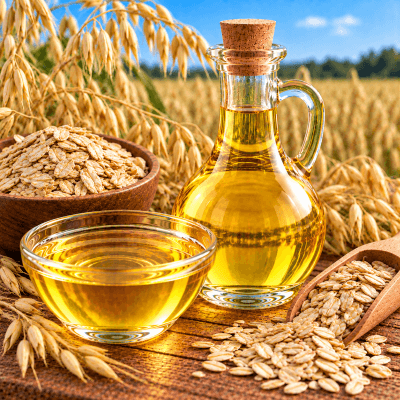
Oat Oil
Oat oil is a specialty grain-derived oil obtained from oat material and is used in selecte...
Learn More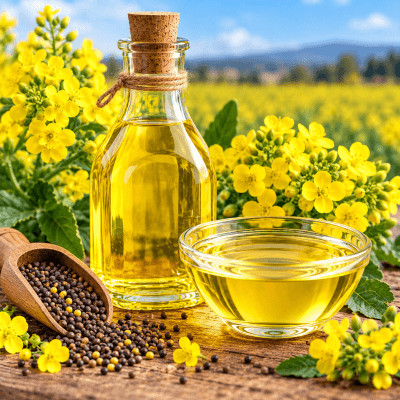
Organic Canola Oil
Organic canola oil is a plant-based edible oil produced from canola grown and handled acco...
Learn More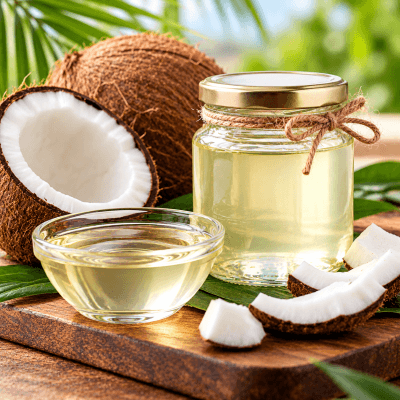
Organic Coconut Oil
Organic coconut oil is a plant-based oil obtained from coconuts produced and handled accor...
Learn More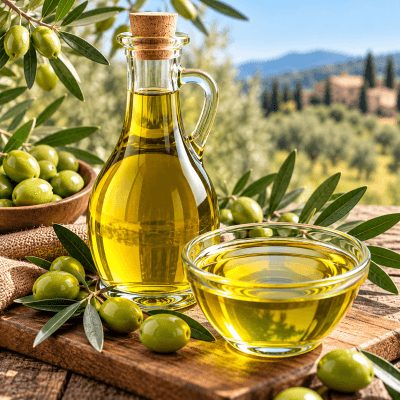
Organic Extra Virgin Olive Oil
Organic extra-virgin olive oil is an olive oil produced from olives using mechanical or ot...
Learn More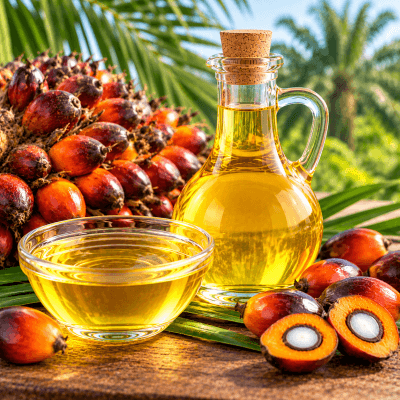
Organic Palm Olein
Organic palm olein is the liquid fraction obtained through the fractionation of palm oil. ...
Learn More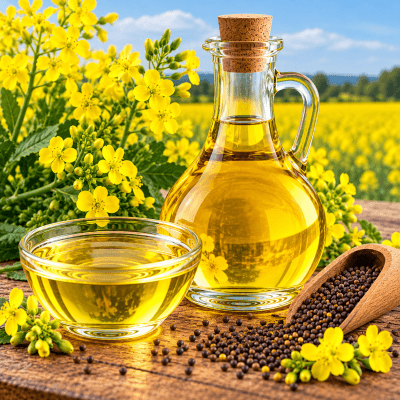
Organic Rapeseed Oil
Organic rapeseed oil is a plant-based edible oil produced from rapeseed cultivated and han...
Learn More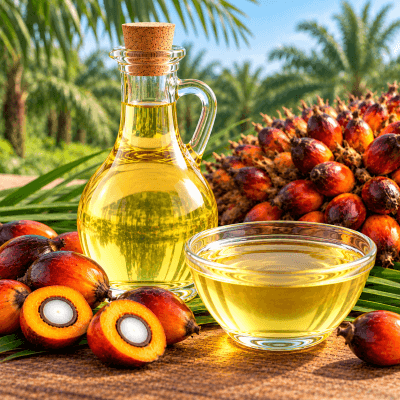
Organic RBD Palm Oil
Organic RBD palm oil is a refined palm-based edible oil produced through refining, bleachi...
Learn More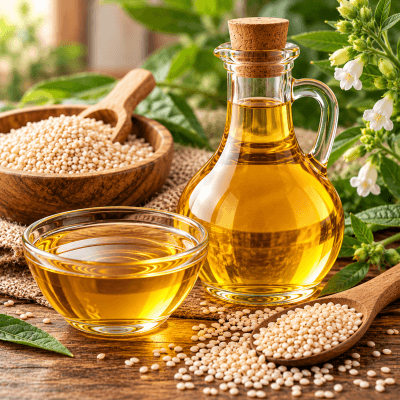
Organic Sesame Oil
Organic sesame oil is a plant-based edible oil obtained from sesame seeds produced accordi...
Learn More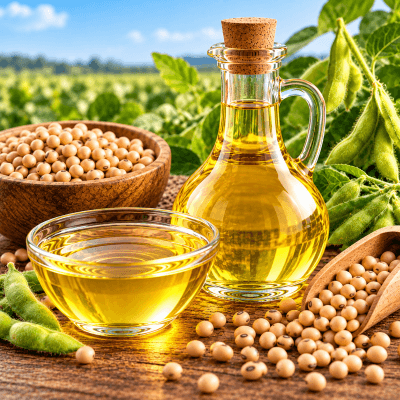
Organic Soybean Oil
Organic soybean oil is a plant-based edible oil obtained from soybean seeds produced under...
Learn More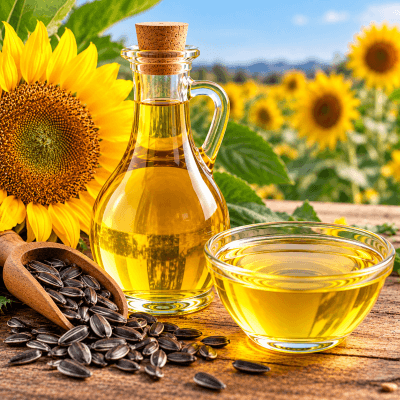
Organic Sunflower Oil
Organic sunflower oil is a plant-based edible oil obtained from sunflower seeds produced u...
Learn More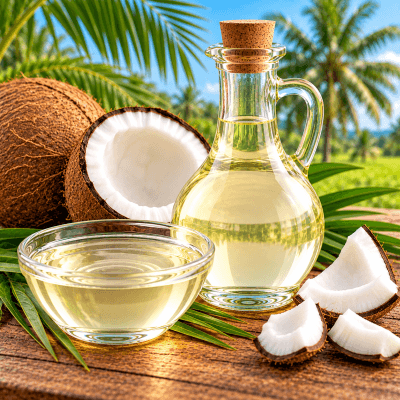
Organic Virgin Coconut Oil
Organic virgin coconut oil is a coconut-derived edible oil produced from fresh coconut mat...
Learn More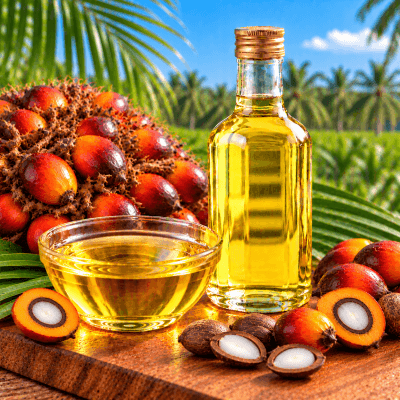
Palm Kernel Olein
Palm kernel olein is the liquid fraction obtained through the fractionation of palm kernel...
Learn More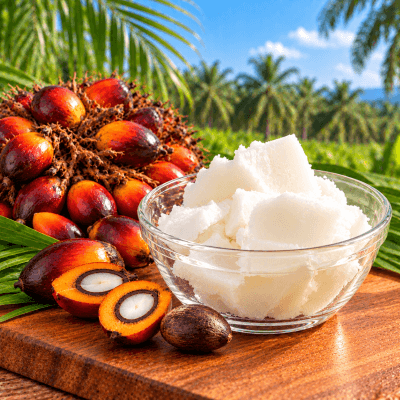
Palm Kernel Stearin
Palm kernel stearin is the solid fraction obtained through the fractionation of palm kerne...
Learn More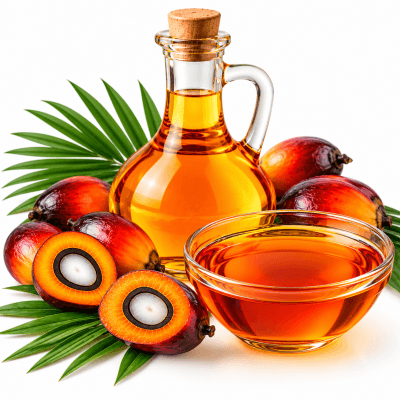
Palm Oil Blend
Palm Oil Blend is a formulated edible oil product that combines palm oil with one or more ...
Learn More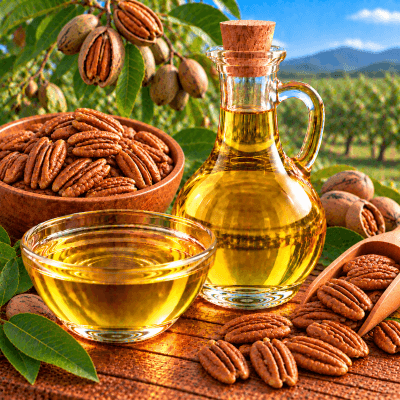
Pecan Oil
Pecan oil is a specialty nut-derived oil obtained from pecan kernels, the edible seeds of ...
Learn More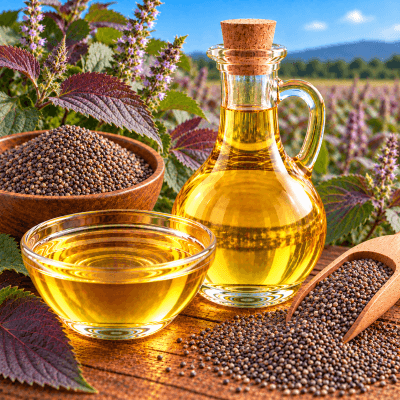
Perilla Oil
Perilla oil is a specialty seed oil obtained from the seeds of the perilla plant, particul...
Learn More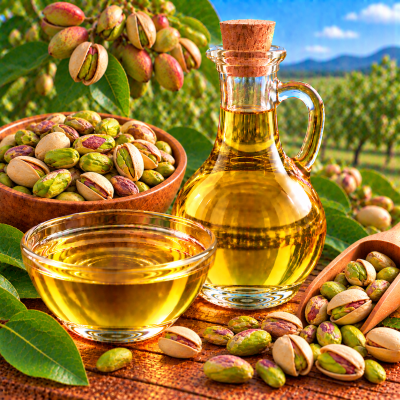
Pistachio Oil
Pistachio oil is a specialty nut-derived oil obtained from pistachio kernels, the edible s...
Learn More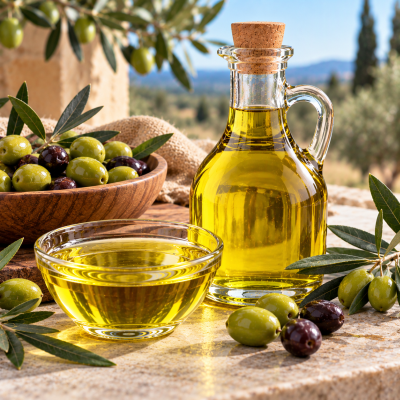
Pomace Olive Oil
Pomace olive oil is an olive-derived oil obtained from olive pomace, the solid material re...
Learn More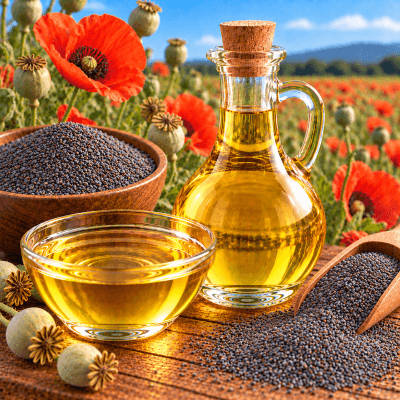
Poppy Seed Oil
Poppy seed oil is a specialty edible oil obtained from the seeds of the poppy plant. It ha...
Learn More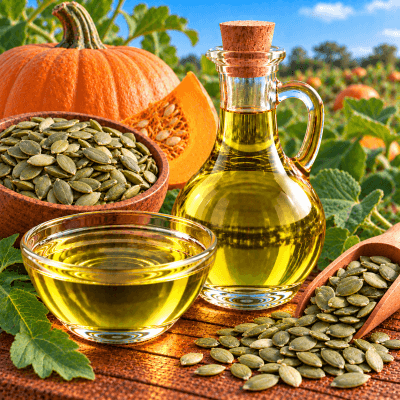
Pumpkin Seed Oil
Pumpkin seed oil is a specialty vegetable oil pressed or extracted from pumpkin seeds and ...
Learn More
RBD Palm Kernel Oil
RBD palm kernel oil is a refined vegetable oil obtained from the kernel of the oil palm fr...
Learn More
RBD Palm Oil
RBD Palm Oil is refined, bleached, and deodorized palm oil obtained from the fleshy mesoca...
Learn More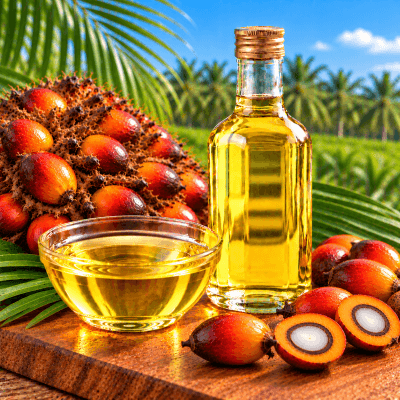
RBD Palm Olein
RBD Palm Olein is the liquid fraction obtained through the refining and fractionation of p...
Learn More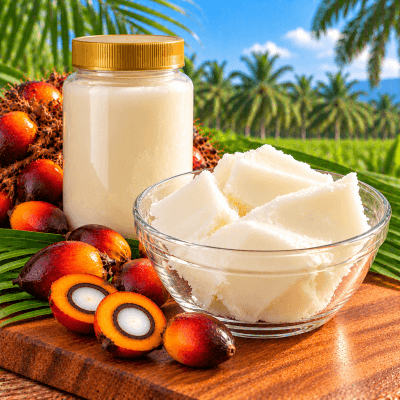
RBD Palm Stearin
RBD Palm Stearin is the solid fraction obtained through the refining and fractionation of ...
Learn More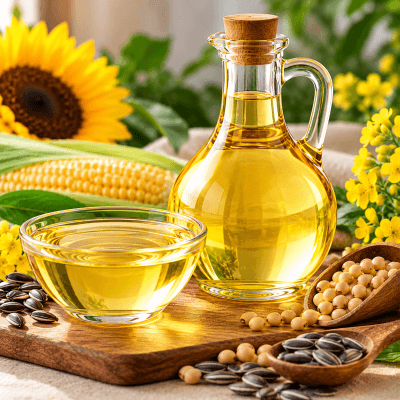
RBD Vegetable Oil
RBD Vegetable Oil is a refined, bleached, and deodorized vegetable oil processed to produc...
Learn More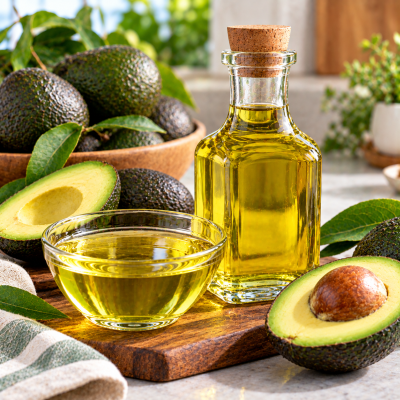
Refined Avocado Oil
Refined avocado oil is a processed vegetable oil obtained from avocado fruit, primarily fr...
Learn More
Refined Canola Oil
Refined Canola Oil is a refined vegetable oil produced from canola seed, a type of low-eru...
Learn More
Refined Coconut Oil
Refined coconut oil is an edible vegetable oil produced by processing crude coconut oil to...
Learn More
Refined Cooking Oil
Refined cooking oil is vegetable oil that has undergone refining processes designed to rem...
Learn More
Refined Corn Oil
Refined Corn Oil is a vegetable oil produced primarily from corn germ and processed throug...
Learn More
Refined Cottonseed Oil
Refined Cottonseed Oil is a vegetable oil produced from cottonseed and processed through r...
Learn More
Refined Olive Oil
Refined olive oil is an olive-derived oil that has undergone refining processes to reduce ...
Learn More
Refined Peanut Oil
Refined Peanut Oil is a food-grade vegetable oil produced from peanuts and processed throu...
Learn More
Refined Rapeseed Oil
Refined Rapeseed Oil is a vegetable oil produced from rapeseed and processed through refin...
Learn More
Refined Rice Bran Oil
Refined Rice Bran Oil is an edible vegetable oil produced from rice bran and processed thr...
Learn More
Refined Safflower Oil
Refined Safflower Oil is a vegetable oil produced from safflower seeds and processed throu...
Learn More
Refined Sesame Oil
Refined Sesame Oil is a food-grade vegetable oil produced from sesame seeds and processed ...
Learn More
Refined Soybean Oil
Refined soybean oil is an edible vegetable oil produced by processing crude soybean oil to...
Learn More
Refined Sunflower Oil
Refined Sunflower Oil is an edible vegetable oil produced from sunflower seeds and process...
Learn More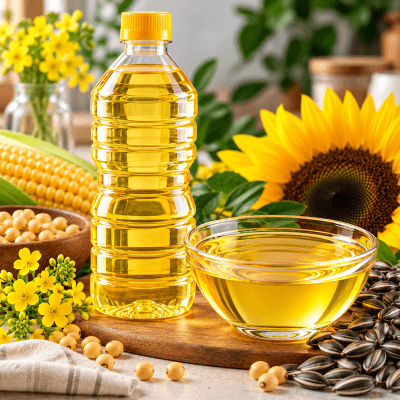
Refined Vegetable Oil
Refined vegetable oil is plant-based oil that has undergone processing to remove or reduce...
Learn More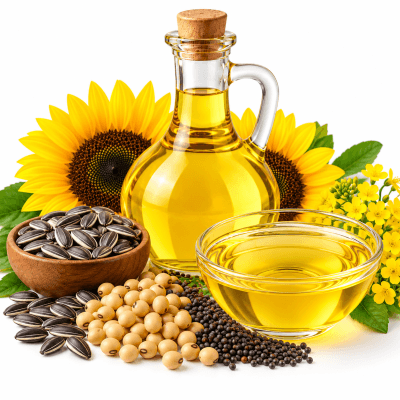
Sunflower Oil Blend
Sunflower oil blend is a formulated vegetable oil product that combines sunflower oil with...
Learn More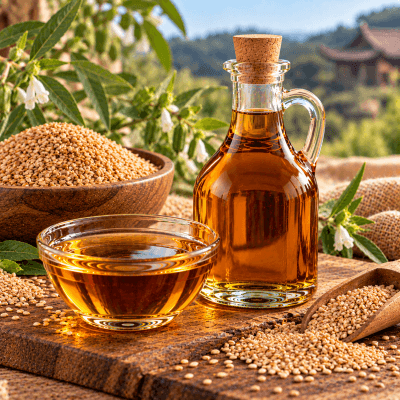
Toasted Sesame Oil
Toasted Sesame Oil is a specialty culinary oil produced from sesame seeds that have been t...
Learn More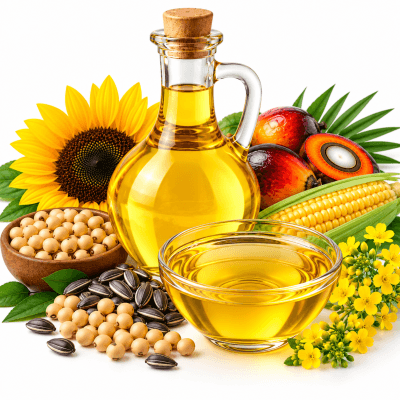
Vegetable Oil Blend
Vegetable oil blend is a formulated combination of two or more edible vegetable oils desig...
Learn More
Vegetable Shortening
Vegetable shortening is a semi-solid or solid fat made from vegetable oils and formulated ...
Learn More
Virgin Coconut Oil
Virgin coconut oil is a specialty edible oil obtained from fresh coconut kernel or meat us...
Learn More
Virgin Olive Oil
Virgin olive oil is an olive-derived oil obtained directly from olives using mechanical or...
Learn More
Virgin Sesame Oil
Virgin Sesame Oil is a specialty sesame oil produced from sesame seeds using mechanical or...
Learn More
Walnut Oil
Walnut oil is a specialty nut-derived oil obtained from walnut kernels, commonly from Jugl...
Learn More
Wheat Germ Oil
Wheat germ oil is a specialty plant-derived oil obtained from the germ portion of the whea...
Learn More