Call Anytime
+33759449097

High-Oleic Sunflower Oil Suppliers South-korea
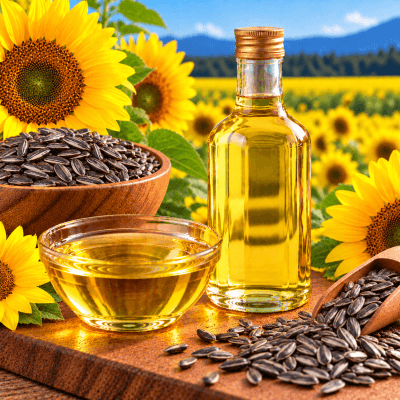
High-Oleic Sunflower Oil Supplier in South-korea
High-oleic sunflower oil is a specialised vegetable oil valued by food manufacturers, commercial frying operators, snack producers, and ingredient suppliers seeking a sunflower oil with an elevated oleic acid content. Huile Nature SARL serves international markets for vegetable oils, welcoming commercial enquiries from Argentine businesses evaluating high-oleic sunflower oil for food processing, frying applications, packaged products, and industrial food manufacturing.
Produced from sunflower varieties selected for their fatty acid composition, high-oleic sunflower oil typically contains a greater proportion of oleic acid than conventional sunflower oil. This composition can contribute to improved oxidative stability under comparable conditions, making it a useful option for applications where oil performance during heating, processing, and storage is an important consideration.
For Argentine importers, food processors, wholesalers, and commercial buyers, product selection should be based on the intended application, required oleic acid content, refining status, quality documentation, and applicable food regulations. Huile Nature SARL welcomes enquiries from businesses seeking to assess high-oleic sunflower oil against their technical and purchasing requirements.
What Is High-Oleic Sunflower Oil?
High-oleic sunflower oil is obtained from sunflower seeds bred to produce oil with a high proportion of oleic acid, a monounsaturated fatty acid. Its composition differs from conventional sunflower oil, which generally contains a larger proportion of polyunsaturated linoleic acid.
The exact fatty acid profile varies according to the sunflower variety, growing conditions, extraction process, and product specification. High-oleic sunflower oil may be supplied in refined grades intended for food manufacturing and commercial cooking, subject to the relevant quality and regulatory requirements.
The high-oleic designation relates to the oil's composition rather than automatically confirming its refining status, food-grade compliance, or performance in every application. Buyers should verify the product specification and analytical documentation before purchase.
Applications of High-Oleic Sunflower Oil in South Korea
High-oleic sunflower oil can serve a range of food manufacturing and commercial processing requirements. Its suitability depends on the grade, processing conditions, and performance criteria of the finished product.
Commercial Frying and Foodservice
High-oleic sunflower oil may be suitable for commercial frying operations where oxidative stability and oil performance are important selection criteria. Potential users include restaurant supply businesses, catering operators, industrial kitchens, and foodservice distributors.
For repeated or extended frying, buyers should evaluate the oil under their actual operating conditions, including temperature, food moisture, filtration practices, and oil replacement schedules.
Snack and Savoury Food Manufacturing
Snack producers may consider high-oleic sunflower oil for frying selected products, including savoury snacks and other processed foods. Its fatty acid profile can be relevant when manufacturers want an oil with improved resistance to oxidation compared with conventional sunflower oil under comparable conditions.
The final choice should also account for flavour, texture, packaging, and the desired shelf life of the finished product.
Packaged Food Production
Food processors may use suitable refined high-oleic sunflower oil in selected prepared foods, ready-to-cook products, sauces, and other formulations requiring liquid vegetable oil. Compatibility with the recipe and applicable food regulations should be confirmed before commercial use.
Bakery and Food Ingredient Formulation
Bakeries and ingredient manufacturers can evaluate high-oleic sunflower oil for selected recipes and formulations. Its mild flavour profile may be beneficial where the oil should not dominate the finished product's sensory characteristics.
Edible Oil Packing and Distribution
Importers, wholesalers, oil packers, and distributors may evaluate high-oleic sunflower oil for retail, foodservice, or business-to-business supply. Product consistency, packaging suitability, traceability, and destination-market requirements should form part of the procurement assessment.
Benefits of High-Oleic Sunflower Oil for Commercial Buyers
High-oleic sunflower oil offers several characteristics that may make it suitable for demanding food production environments.
-
Elevated oleic acid content: Provides a defined fatty acid profile for applications requiring high-oleic oil.
-
Potential oxidative stability advantages: May resist oxidation better than conventional sunflower oil under comparable conditions, depending on the complete composition and processing environment.
-
Mild flavour profile: Can be useful in food formulations where a strong oil taste is undesirable.
-
Versatile processing applications: Appropriate grades may be considered for frying, snack production, food manufacturing, and ingredient blending.
-
Specification-led procurement: Buyers can establish measurable acceptance criteria for fatty acid composition, oxidation indicators, and other quality parameters.
-
Commercial formulation flexibility: Supports evaluation for different food production requirements when the product grade is suitable.
Performance varies with temperature, exposure to oxygen, storage conditions, antioxidants, and the nature of the food being processed. A high-oleic profile does not eliminate the need for proper oil management.
High-Oleic Sunflower Oil Quality Specifications
For commercial sourcing in South Korea, buyers should request a current product specification and, where available, a batch-specific Certificate of Analysis. Acceptance limits should be established according to the intended application.
|
Parameter |
Importance |
|---|---|
|
Oleic acid content |
Confirms compliance with the buyer's high-oleic requirement |
|
Complete fatty acid profile |
Shows the proportions of major fatty acids |
|
Free fatty acid content |
Helps assess refining quality and specification compliance |
|
Peroxide value |
Indicates primary oxidation at the time of testing |
|
Moisture and volatile matter |
Relevant to oil quality and storage |
|
Insoluble impurities |
Helps assess the presence of suspended foreign material |
|
Colour and odour |
Important for sensory and finished-product requirements |
|
Refining status |
Confirms whether the oil is crude, refined, or supplied to another defined grade |
|
Traceability and batch documentation |
Supports quality management and supply-chain controls |
There is no single oleic acid threshold that should be assumed for every product described as high-oleic. Buyers should specify the required minimum content and verify it through suitable analytical documentation.
High-Oleic Sunflower Oil Compared with Conventional Sunflower Oil
Although both oils come from sunflower seeds, their fatty acid composition can differ considerably.
|
Consideration |
High-oleic sunflower oil |
Conventional sunflower oil |
|---|---|---|
|
Oleic acid content |
Elevated according to the product specification |
Generally lower than high-oleic grades |
|
Linoleic acid content |
Typically lower than conventional linoleic-rich sunflower oil |
Often a larger proportion of the fatty acid profile |
|
Oxidative stability |
May be improved under comparable conditions |
Depends on fatty acid composition, refining, and handling |
|
Potential applications |
Selected frying, food manufacturing, and formulations requiring high-oleic oil |
General food manufacturing and cooking, depending on grade |
|
Procurement priority |
Verified oleic acid content and application performance |
Product specification, intended use, and commercial requirements |
The appropriate oil depends on the intended application, performance targets, product formulation, and procurement budget. Buyers should compare documented specifications rather than relying on product names alone.
Sourcing High-Oleic Sunflower Oil for South Korea
Argentine food manufacturers, importers, ingredient suppliers, distributors, and commercial processors may require high-oleic sunflower oil for different purposes. Frying operations may focus on oxidation performance, while packaged food manufacturers may prioritise fatty acid composition, sensory characteristics, traceability, and labelling requirements.
Huile Nature SARL, based in Caen, France, welcomes enquiries from Argentine businesses seeking to evaluate high-oleic sunflower oil for commercial applications. Defining the product grade and intended use helps establish the technical criteria relevant to the enquiry.
Buyers should communicate the required oleic acid content, refining status, quantity, preferred packaging, destination, and documentation requirements. These details help support a focused product assessment and commercial quotation.
Storage and Handling Recommendations
High-oleic sunflower oil can still deteriorate when exposed to unsuitable storage or handling conditions. Appropriate protection helps maintain quality during transportation, warehousing, and manufacturing.
Commercial users should:
-
Store the oil in clean, sealed containers suitable for edible vegetable oils.
-
Minimise unnecessary exposure to air, light, and excessive heat.
-
Use clean tanks, pumps, hoses, and transfer equipment.
-
Prevent contamination from moisture, cleaning residues, and incompatible materials.
-
Follow the product-specific storage conditions and shelf-life recommendations.
-
Maintain batch identification and stock rotation records.
-
Inspect seals and packaging before accepting shipments.
For bulk supply, receiving facilities should have suitable storage and transfer equipment. Food manufacturers should incorporate the oil into their established food safety and quality management procedures.
Why Choose Huile Nature SARL?
Huile Nature SARL serves international commercial markets for vegetable oils and related products. The company welcomes enquiries from food manufacturers, ingredient suppliers, processors, importers, and distributors seeking products aligned with their operational requirements.
For high-oleic sunflower oil enquiries from South Korea, buyers can outline their intended application, required fatty acid composition, product grade, quantity, packaging preference, and destination. This information helps establish the technical requirements that need to be reviewed before a commercial decision.
A clearly defined specification is particularly useful when oil performance, shelf-life targets, or manufacturing consistency are central to the purchasing decision.
Request a High-Oleic Sunflower Oil Quotation in South Korea
If your business requires high-oleic sunflower oil for commercial frying, snack production, food manufacturing, ingredient blending, or wholesale distribution in South Korea, contact Huile Nature SARL with your requirements.
For an efficient commercial assessment, provide:
-
Required quantity and anticipated purchasing frequency
-
Minimum oleic acid content and fatty acid profile
-
Required refining status and intended application
-
Preferred packaging or bulk shipment format
-
Destination port or delivery location in South Korea
-
Required analytical reports and regulatory documentation
These details help clarify the product requirements and commercial conditions relevant to your enquiry.
Frequently Asked Questions About High-Oleic Sunflower Oil in South Korea
1. What is high-oleic sunflower oil used for?
It is used in suitable commercial frying, snack production, food manufacturing, selected bakery applications, and ingredient formulations where a high oleic acid content is required.
2. How does high-oleic sunflower oil differ from conventional sunflower oil?
High-oleic sunflower oil contains a greater proportion of oleic acid and typically less linoleic acid than conventional linoleic-rich sunflower oil. This difference can influence oxidative stability and suitability for particular applications.
3. Is high-oleic sunflower oil suitable for commercial frying?
It may be suitable when the product specification supports the required frying conditions. Actual performance depends on temperature, frying duration, food moisture, oil turnover, and storage practices.
4. What oleic acid content should buyers specify?
The required level depends on the buyer's application and contractual specification. Buyers should define a minimum oleic acid content and request analytical documentation to verify the product.
5. Can high-oleic sunflower oil be used in packaged food products?
Suitable refined grades may be used in packaged food formulations when they meet the manufacturer's technical requirements and applicable food safety, labelling, and regulatory standards.
6. Does high-oleic sunflower oil need special storage?
It should be protected from excessive heat, light, air exposure, and contamination. Product-specific storage instructions and shelf-life recommendations should be followed.
7. How can Argentine businesses request a quotation?
Businesses can submit their required quantity, intended application, oleic acid specification, packaging preference, destination, and documentation requirements to Huile Nature SARL for commercial review.

Explore More Vegetable & Specialty Oils
Almond Oil
Almond oil is a specialty nut-derived oil obtained from almond kernels, primarily from Pru...
Learn More
Bakery Shortening
Bakery shortening is a structured vegetable fat used in baking and food manufacturing wher...
Learn More
Baobab Oil
Baobab oil is a specialty plant oil obtained from the seeds of the baobab fruit. It is les...
Learn More
Barley Oil
Barley oil is a specialty grain-derived oil associated with barley, a cereal grain widely ...
Learn More
Black Seed Oil
Black seed oil is a specialty seed oil obtained from the seeds of Nigella sativa, commonly...
Learn More
Brazil Nut Oil
Brazil nut oil is a specialty nut-derived oil obtained from Brazil nuts, the seeds of Bert...
Learn More
Camelina Oil
Camelina oil is a specialty seed oil obtained from camelina, particularly Camelina sativa,...
Learn More
Cashew Oil
Cashew oil is a specialty nut-derived oil obtained from cashew kernels, Anacardium occiden...
Learn More
Chia Seed Oil
Chia seed oil is a specialty vegetable oil obtained from the seeds of Salvia hispanica. It...
Learn More
Cold-Pressed Avocado Oil
Cold-pressed avocado oil is a specialty edible oil obtained from avocado fruit using mecha...
Learn More
Cold-Pressed Canola Oil
Cold-pressed canola oil is a specialty vegetable oil obtained from canola seeds through me...
Learn More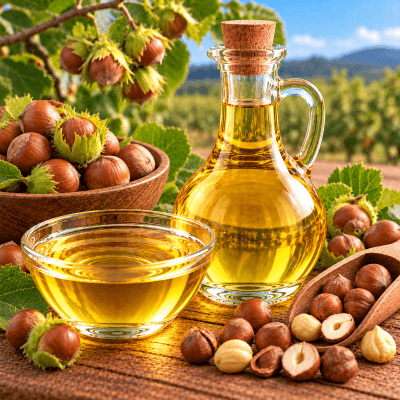
Cold-Pressed Hazelnut Oil
Cold-pressed hazelnut oil is a specialty nut oil obtained from hazelnut kernels through me...
Learn More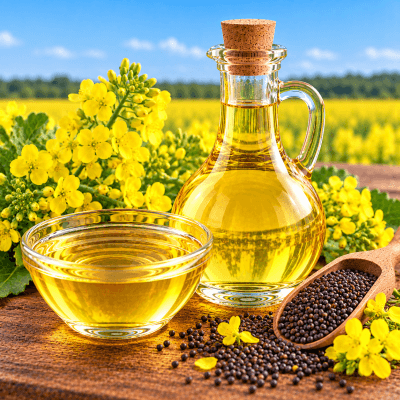
Cold-Pressed Rapeseed Oil
Cold-pressed rapeseed oil is a specialty vegetable oil obtained from rapeseed through mech...
Learn More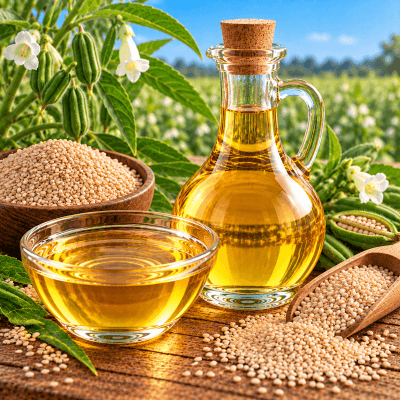
Cold-Pressed Sesame Oil
Cold-pressed sesame oil is a specialty vegetable oil obtained from sesame seeds through me...
Learn More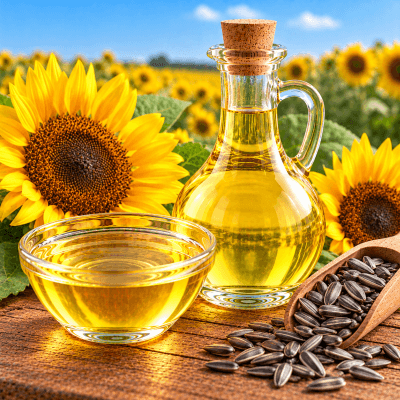
Cold-Pressed Sunflower Oil
Cold-pressed sunflower oil is a specialty vegetable oil obtained from sunflower seeds thro...
Learn More
Cold-Pressed Walnut Oil
Cold-pressed walnut oil is a specialty edible oil obtained from walnut kernels through mec...
Learn More
Crude Coconut Oil
Crude coconut oil is an unrefined vegetable oil extracted from the kernel or meat of matur...
Learn More
Crude Corn Oil
Crude Corn Oil is an unrefined vegetable oil obtained from corn, primarily from the germ f...
Learn More
Crude Cottonseed Oil
Crude Cottonseed Oil is an unrefined vegetable oil obtained from cottonseed and primarily ...
Learn More
Crude Palm Kernel Oil
Crude palm kernel oil is an unrefined vegetable oil extracted from the kernel inside the f...
Learn More
Crude Palm Oil
Crude Palm Oil (CPO) is an unrefined vegetable oil extracted from the fleshy mesocarp of o...
Learn More
Crude Peanut Oil
Crude Peanut Oil is an unrefined vegetable oil obtained from peanuts and primarily used as...
Learn More
Crude Rapeseed Oil
Crude Rapeseed Oil is an unrefined vegetable oil obtained from rapeseed and primarily used...
Learn More
Crude Rice Bran Oil
Crude rice bran oil is an unrefined oil recovered from rice bran, the outer layers removed...
Learn More
Crude Soybean Oil
Crude soybean oil is an unrefined vegetable oil extracted from soybeans during the oil pro...
Learn More
Crude Sunflower Oil
Crude Sunflower Oil is an unrefined vegetable oil obtained from sunflower seeds and primar...
Learn More
Culinary Argan Oil
Culinary argan oil is a specialty edible oil produced from the kernels of the argan tree, ...
Learn More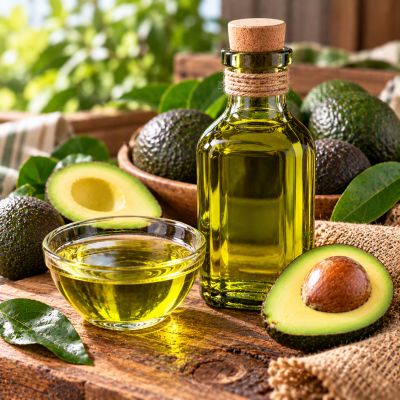
Extra Virgin Avocado Oil
Extra virgin avocado oil is a premium avocado-derived oil obtained from high-quality avoca...
Learn More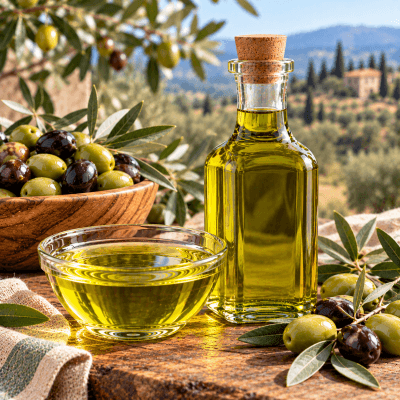
Extra Virgin Olive Oil
Extra virgin olive oil is the highest category of virgin olive oil and is obtained directl...
Learn More
Flaxseed Oil
Flaxseed oil is a specialty vegetable oil obtained from the seeds of the flax plant, Linum...
Learn More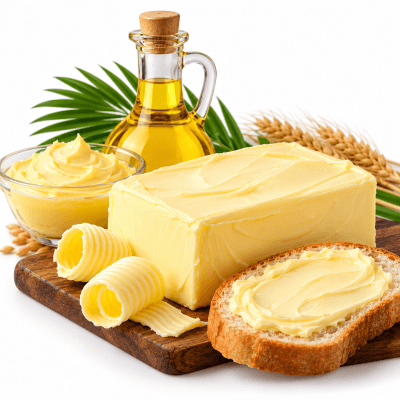
Food-Grade Margarine
Food-grade margarine is a formulated edible fat product made from vegetable oils and fats,...
Learn More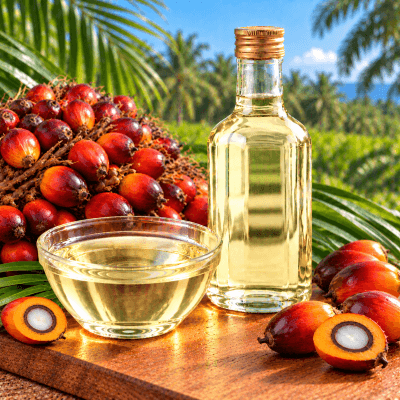
Fractionated Palm Oil
Fractionated palm oil is a specialty vegetable oil ingredient produced by separating palm ...
Learn More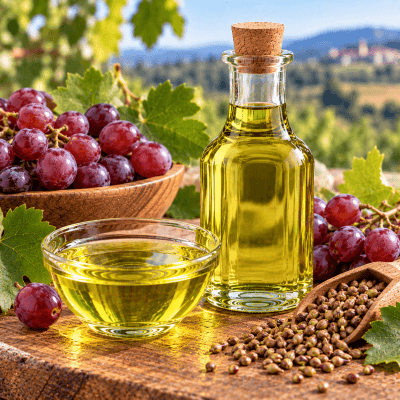
Grapeseed Oil
Grapeseed oil is a specialty vegetable oil extracted from the seeds of grapes, typically r...
Learn More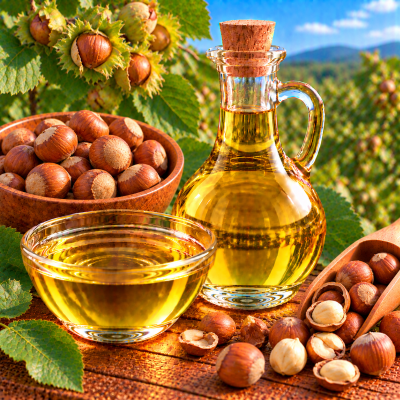
Hazelnut Oil
Hazelnut oil is a specialty nut-derived oil obtained from hazelnut kernels, primarily from...
Learn More
Hemp Seed Oil
Hemp seed oil is a specialty seed oil obtained from the seeds of the hemp plant, Cannabis ...
Learn More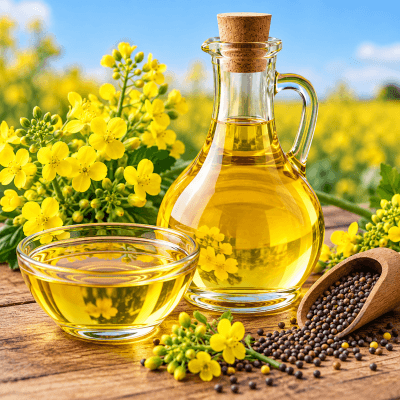
High-Oleic Canola Oil
High-oleic canola oil is a canola oil produced from specially selected varieties with a hi...
Learn More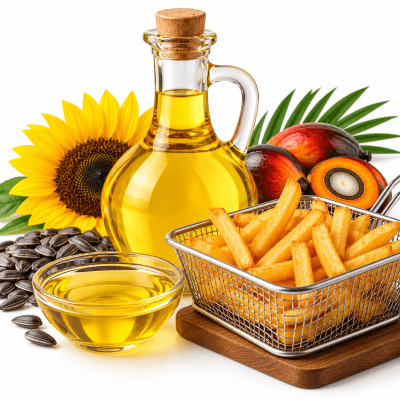
High-Oleic Frying Oil
High-oleic frying oil is a vegetable oil with a higher proportion of oleic acid than conve...
Learn More
High-Oleic Rapeseed Oil
High-Oleic Rapeseed Oil is a specialty vegetable oil produced from rapeseed varieties sele...
Learn More
High-Oleic Safflower Oil
High-Oleic Safflower Oil is a specialty vegetable oil produced from safflower varieties se...
Learn More
High-Oleic Soybean Oil
High-oleic soybean oil is a specialty vegetable oil produced from soybean varieties select...
Learn More
High-Oleic Sunflower Oil
High-Oleic Sunflower Oil is a specialty vegetable oil produced from sunflower varieties se...
Learn More
Hydrogenated Vegetable Fat
Hydrogenated Vegetable Fat is a plant-based fat produced by modifying vegetable oils throu...
Learn More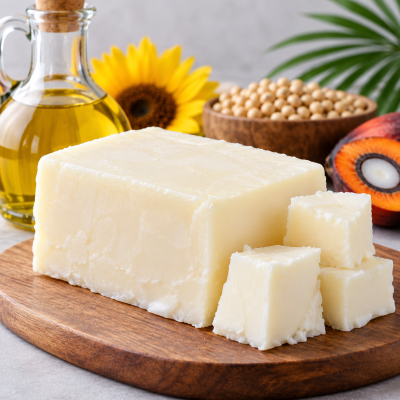
Interesterified Vegetable Fat
Interesterified Vegetable Fat is a structured vegetable fat produced by rearranging the fa...
Learn More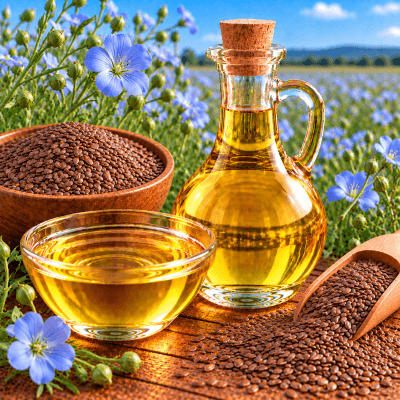
Linseed Oil
Linseed oil is a specialty seed oil obtained from the seeds of the flax plant, Linum usita...
Learn More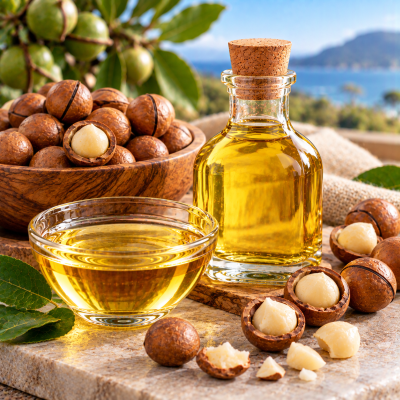
Macadamia Oil
Macadamia oil is a specialty nut-derived oil obtained from macadamia kernels, primarily fr...
Learn More
Moringa Oil
Moringa oil is a specialty seed oil obtained from the seeds of Moringa oleifera, a plant w...
Learn More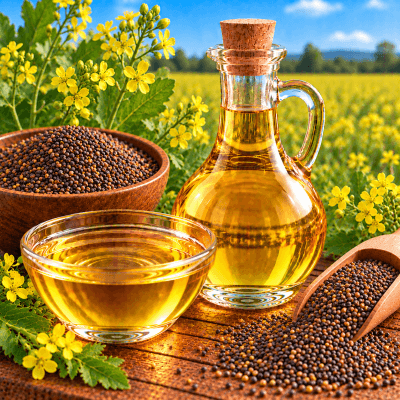
Mustard Oil
Mustard oil is a distinctive seed-derived oil produced from mustard seeds and used in culi...
Learn More
Niger Seed Oil
Niger seed oil is a specialty vegetable oil extracted from the seeds of the Niger plant, c...
Learn More
Oat Oil
Oat oil is a specialty grain-derived oil obtained from oat material and is used in selecte...
Learn More
Organic Canola Oil
Organic canola oil is a plant-based edible oil produced from canola grown and handled acco...
Learn More
Organic Coconut Oil
Organic coconut oil is a plant-based oil obtained from coconuts produced and handled accor...
Learn More
Organic Extra Virgin Olive Oil
Organic extra-virgin olive oil is an olive oil produced from olives using mechanical or ot...
Learn More
Organic Palm Olein
Organic palm olein is the liquid fraction obtained through the fractionation of palm oil. ...
Learn More
Organic Rapeseed Oil
Organic rapeseed oil is a plant-based edible oil produced from rapeseed cultivated and han...
Learn More
Organic RBD Palm Oil
Organic RBD palm oil is a refined palm-based edible oil produced through refining, bleachi...
Learn More
Organic Sesame Oil
Organic sesame oil is a plant-based edible oil obtained from sesame seeds produced accordi...
Learn More
Organic Soybean Oil
Organic soybean oil is a plant-based edible oil obtained from soybean seeds produced under...
Learn More
Organic Sunflower Oil
Organic sunflower oil is a plant-based edible oil obtained from sunflower seeds produced u...
Learn More
Organic Virgin Coconut Oil
Organic virgin coconut oil is a coconut-derived edible oil produced from fresh coconut mat...
Learn More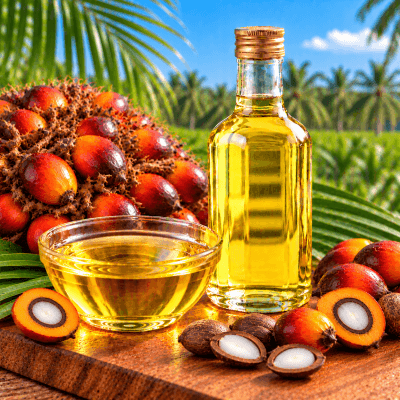
Palm Kernel Olein
Palm kernel olein is the liquid fraction obtained through the fractionation of palm kernel...
Learn More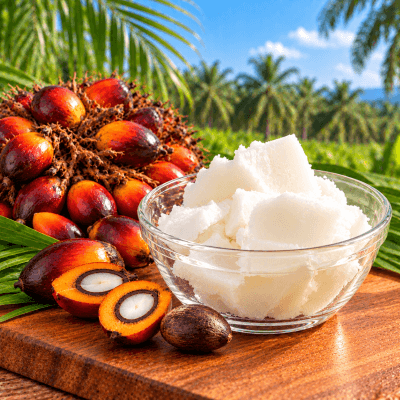
Palm Kernel Stearin
Palm kernel stearin is the solid fraction obtained through the fractionation of palm kerne...
Learn More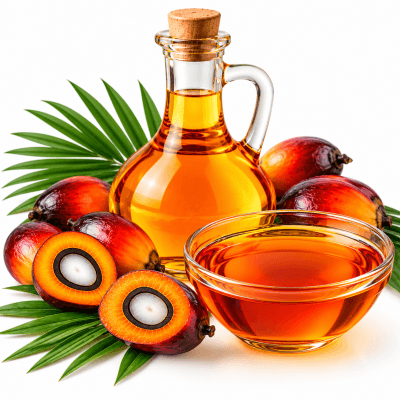
Palm Oil Blend
Palm Oil Blend is a formulated edible oil product that combines palm oil with one or more ...
Learn More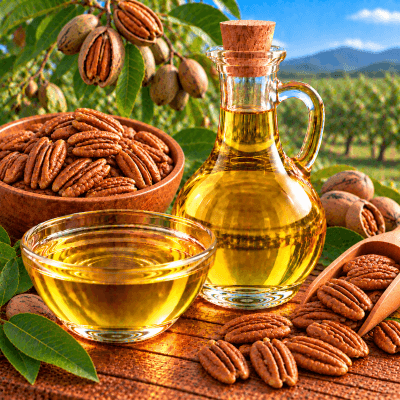
Pecan Oil
Pecan oil is a specialty nut-derived oil obtained from pecan kernels, the edible seeds of ...
Learn More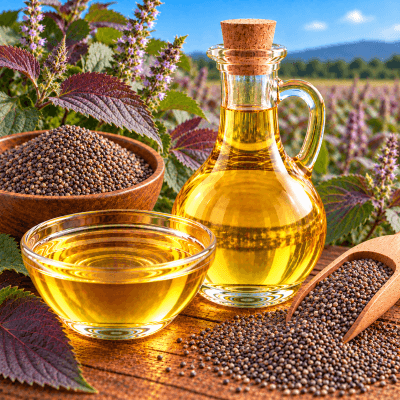
Perilla Oil
Perilla oil is a specialty seed oil obtained from the seeds of the perilla plant, particul...
Learn More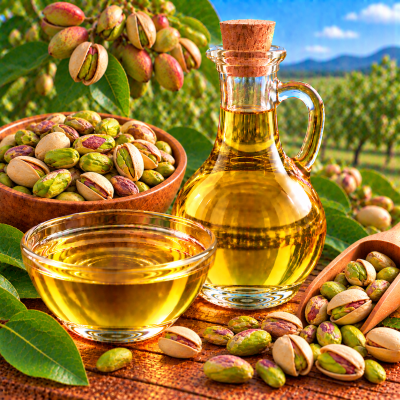
Pistachio Oil
Pistachio oil is a specialty nut-derived oil obtained from pistachio kernels, the edible s...
Learn More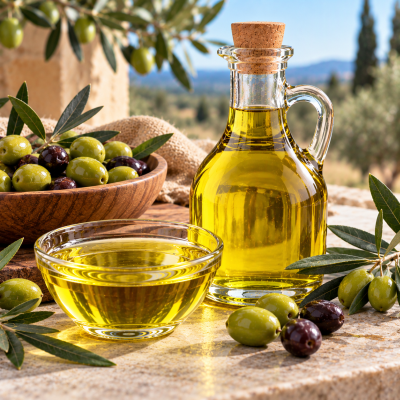
Pomace Olive Oil
Pomace olive oil is an olive-derived oil obtained from olive pomace, the solid material re...
Learn More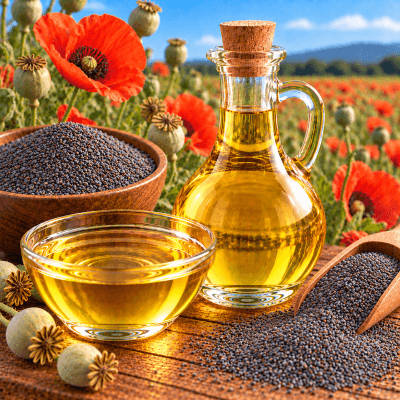
Poppy Seed Oil
Poppy seed oil is a specialty edible oil obtained from the seeds of the poppy plant. It ha...
Learn More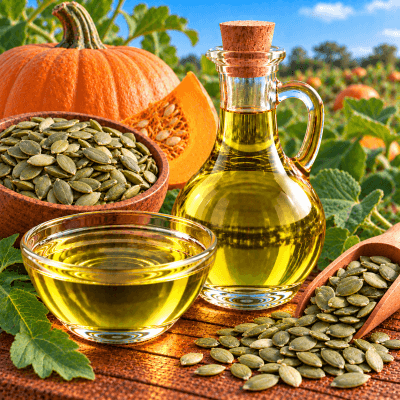
Pumpkin Seed Oil
Pumpkin seed oil is a specialty vegetable oil pressed or extracted from pumpkin seeds and ...
Learn More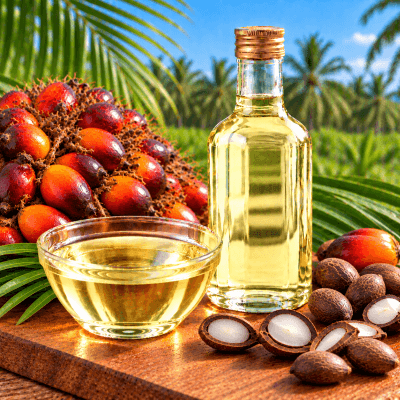
RBD Palm Kernel Oil
RBD palm kernel oil is a refined vegetable oil obtained from the kernel of the oil palm fr...
Learn More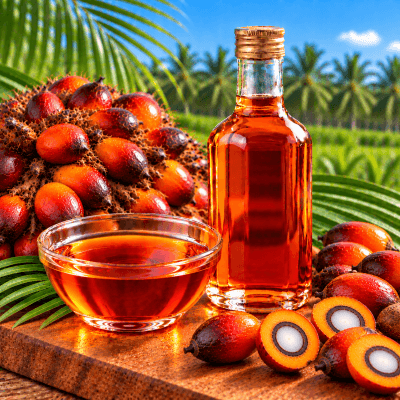
RBD Palm Oil
RBD Palm Oil is refined, bleached, and deodorized palm oil obtained from the fleshy mesoca...
Learn More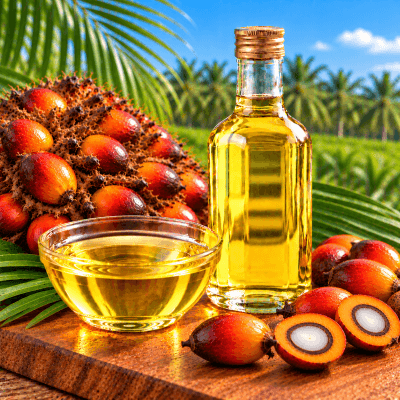
RBD Palm Olein
RBD Palm Olein is the liquid fraction obtained through the refining and fractionation of p...
Learn More
RBD Palm Stearin
RBD Palm Stearin is the solid fraction obtained through the refining and fractionation of ...
Learn More
RBD Vegetable Oil
RBD Vegetable Oil is a refined, bleached, and deodorized vegetable oil processed to produc...
Learn More
Refined Avocado Oil
Refined avocado oil is a processed vegetable oil obtained from avocado fruit, primarily fr...
Learn More
Refined Canola Oil
Refined Canola Oil is a refined vegetable oil produced from canola seed, a type of low-eru...
Learn More
Refined Coconut Oil
Refined coconut oil is an edible vegetable oil produced by processing crude coconut oil to...
Learn More
Refined Cooking Oil
Refined cooking oil is vegetable oil that has undergone refining processes designed to rem...
Learn More
Refined Corn Oil
Refined Corn Oil is a vegetable oil produced primarily from corn germ and processed throug...
Learn More
Refined Cottonseed Oil
Refined Cottonseed Oil is a vegetable oil produced from cottonseed and processed through r...
Learn More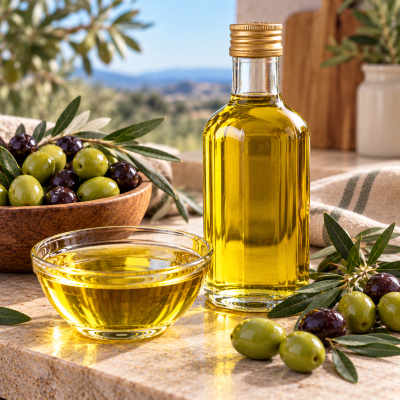
Refined Olive Oil
Refined olive oil is an olive-derived oil that has undergone refining processes to reduce ...
Learn More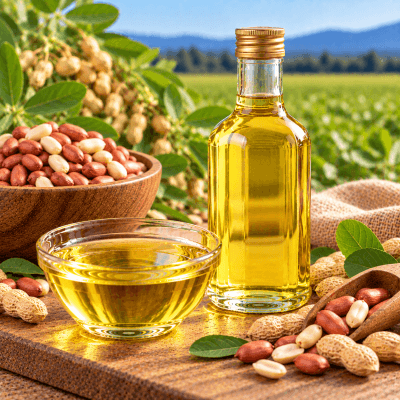
Refined Peanut Oil
Refined Peanut Oil is a food-grade vegetable oil produced from peanuts and processed throu...
Learn More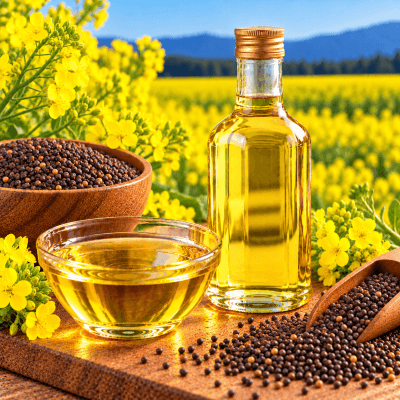
Refined Rapeseed Oil
Refined Rapeseed Oil is a vegetable oil produced from rapeseed and processed through refin...
Learn More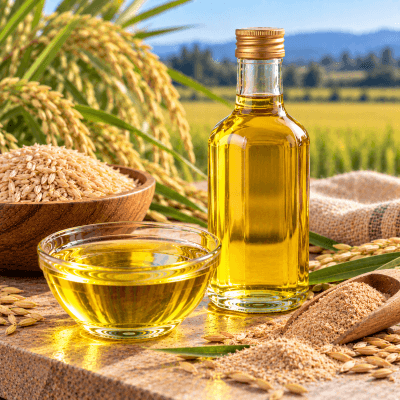
Refined Rice Bran Oil
Refined Rice Bran Oil is an edible vegetable oil produced from rice bran and processed thr...
Learn More
Refined Safflower Oil
Refined Safflower Oil is a vegetable oil produced from safflower seeds and processed throu...
Learn More
Refined Sesame Oil
Refined Sesame Oil is a food-grade vegetable oil produced from sesame seeds and processed ...
Learn More
Refined Soybean Oil
Refined soybean oil is an edible vegetable oil produced by processing crude soybean oil to...
Learn More
Refined Sunflower Oil
Refined Sunflower Oil is an edible vegetable oil produced from sunflower seeds and process...
Learn More
Refined Vegetable Oil
Refined vegetable oil is plant-based oil that has undergone processing to remove or reduce...
Learn More
Sunflower Oil Blend
Sunflower oil blend is a formulated vegetable oil product that combines sunflower oil with...
Learn More
Toasted Sesame Oil
Toasted Sesame Oil is a specialty culinary oil produced from sesame seeds that have been t...
Learn More
Vegetable Oil Blend
Vegetable oil blend is a formulated combination of two or more edible vegetable oils desig...
Learn More
Vegetable Shortening
Vegetable shortening is a semi-solid or solid fat made from vegetable oils and formulated ...
Learn More
Virgin Coconut Oil
Virgin coconut oil is a specialty edible oil obtained from fresh coconut kernel or meat us...
Learn More
Virgin Olive Oil
Virgin olive oil is an olive-derived oil obtained directly from olives using mechanical or...
Learn More
Virgin Sesame Oil
Virgin Sesame Oil is a specialty sesame oil produced from sesame seeds using mechanical or...
Learn More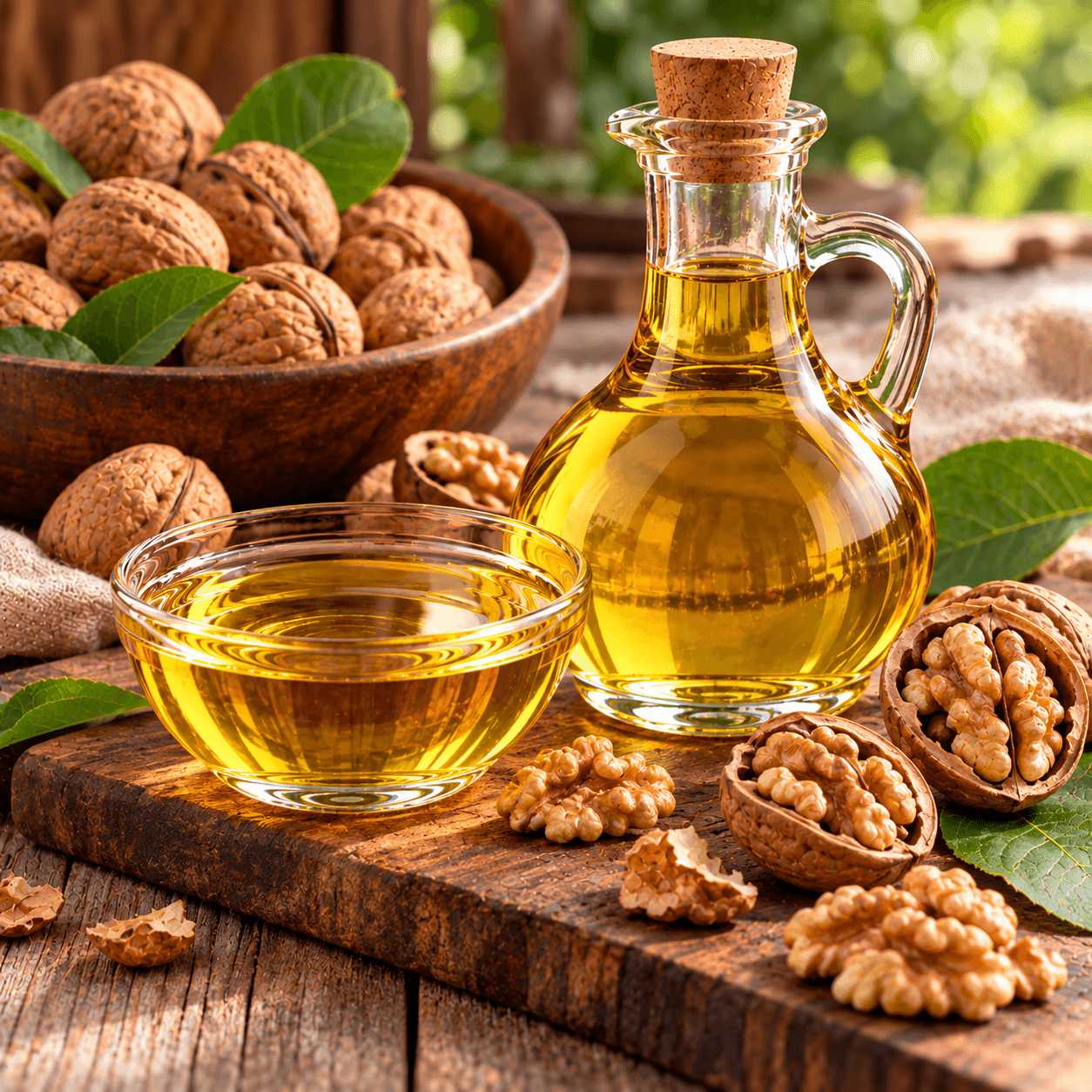
Walnut Oil
Walnut oil is a specialty nut-derived oil obtained from walnut kernels, commonly from Jugl...
Learn More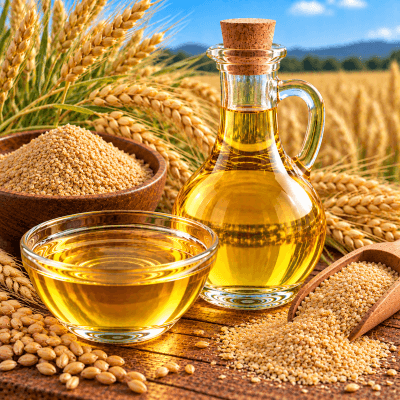
Wheat Germ Oil
Wheat germ oil is a specialty plant-derived oil obtained from the germ portion of the whea...
Learn More