Call Anytime
+33759449097

Extra Virgin Olive Oil Suppliers Thailand
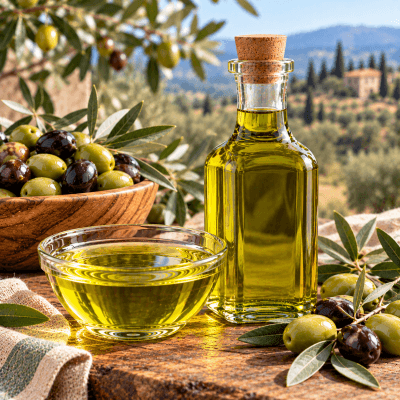
Extra Virgin Olive Oil Supplier in Thailand
Huile Nature SARL supports international food manufacturers, gourmet food producers, ingredient distributors, wholesalers, and importers seeking olive oils for premium culinary and commercial food applications. Extra virgin olive oil is valued for its natural olive flavour, distinctive aroma, and versatility in food preparation, making it an important ingredient for businesses developing quality-focused food products for the Thailandese market.
Extra Virgin Olive Oil Sourcing Considerations for Thailand
For commercial use in Thailand, buyers should identify the intended application and required grade, then review the product specification, composition, sensory characteristics, packaging, shelf-life conditions, and supporting documentation. Importers should confirm applicable Thailandese food-safety, import notification, labelling, and destination-market requirements with their qualified compliance team before commercial use.
Produced directly from olives through mechanical processes without refining, extra virgin olive oil must meet the applicable chemical and sensory criteria for its declared category. Its flavour profile can range from delicate and fruity to robust and peppery, depending on olive variety, maturity, growing conditions, and extraction practices.
For Thailandese businesses, choosing extra virgin olive oil involves more than selecting an oil based on colour or flavour. Product authenticity, quality parameters, traceability, packaging, and intended application all contribute to a suitable purchasing decision. Huile Nature SARL welcomes commercial enquiries from businesses seeking to evaluate extra virgin olive oil for their product portfolios and supply requirements.
What Is Extra Virgin Olive Oil?
Extra virgin olive oil is obtained from olives using mechanical or other physical methods under conditions that preserve the oil, without refining. It is recognised as a premium olive oil category because it must satisfy defined chemical requirements and sensory standards under the applicable regulations.
Its natural sensory characteristics can include fruity notes associated with fresh olives, herbs, green leaves, or ripe fruit. Some oils also display a pleasant bitterness and peppery sensation, depending on the olive varieties and production methods used.
Extra virgin olive oil differs from virgin olive oil, refined olive oil, and olive-pomace oil. These categories have different processing methods and quality criteria. Mechanical extraction alone does not establish that an oil qualifies as extra virgin; the declared category must be supported by appropriate quality assessment and documentation.
For commercial buyers, confirming the grade, sensory profile, analytical parameters, and product origin helps establish whether an oil is appropriate for a particular food application.
Applications of Extra Virgin Olive Oil in Thailand
Extra virgin olive oil can be considered for a wide range of food applications where its flavour and premium positioning complement the finished product.
-
Salad dressings and vinaigrettes: Adds olive character to dressings featuring vegetables, herbs, grains, and other ingredients.
-
Gourmet food manufacturing: Suitable for selected premium food products where flavour and ingredient quality are important.
-
Sauces and condiments: Can be incorporated into pesto-style sauces, marinades, dips, and other suitable formulations.
-
Prepared and packaged foods: May be used in products where its sensory characteristics align with the recipe and processing requirements.
-
Foodservice and hospitality: An option for restaurants, caterers, and professional kitchens seeking distinctive olive oil.
-
Specialty retail products: Can be considered for premium bottled oils and gourmet food ranges.
-
Ingredient distribution: Importers and wholesalers can evaluate the product for supply to manufacturers, retailers, and commercial kitchens.
The best application depends on the oil’s flavour intensity, product specification, and the intended recipe. Although extra virgin olive oil can be used in various cooking applications, prolonged heating and exposure to oxygen, light, and excessive temperatures can affect its quality. Buyers should follow product-specific storage and handling guidance.
Quality Specifications and Purchasing Considerations
Thailandese importers and food manufacturers should establish clear requirements before sourcing extra virgin olive oil. This helps align the selected product with internal quality standards and the expectations of downstream customers.
Important assessment criteria include:
-
Olive variety and origin: Variety, growing conditions, and harvest maturity influence the oil’s sensory profile and composition.
-
Extraction and handling: Harvest practices, processing conditions, and storage before packaging can affect quality.
-
Chemical parameters: Review free acidity, peroxide value, and other applicable quality and identity indicators.
-
Sensory evaluation: Assess fruitiness, bitterness, pungency, aroma, and the absence of unacceptable sensory defects.
-
Authenticity and purity: Request suitable analytical information and documentation supporting the declared product category.
-
Packaging: Choose food-contact packaging that protects the oil from light, oxygen, and contamination.
-
Traceability: Request available origin details, batch identification, product specifications, and certificates of analysis.
-
Storage and shelf life: Confirm recommended storage conditions and the product’s declared shelf life.
Low free acidity alone does not prove that an olive oil is extra virgin. The classification depends on meeting all applicable chemical and sensory criteria. Buyers should also verify any claims relating to organic status, origin, harvest, or production method through appropriate documentation.
Extra Virgin Olive Oil Supply for Thailandese Businesses
Huile Nature SARL works with international commercial buyers sourcing vegetable oils and specialty ingredients for food production, processing, and distribution. Businesses in Thailand can enquire about extra virgin olive oil for manufacturing, gourmet food development, foodservice, wholesale distribution, and specialty retail.
Food manufacturers may prioritise a consistent sensory profile and analytical specifications that suit their recipes. Distributors and importers may place greater emphasis on packaging formats, traceability, product presentation, and documentation supporting regulatory compliance.
To help assess an enquiry, buyers should specify their preferred flavour profile, required product grade, estimated quantity, packaging requirements, and destination. Importers should confirm applicable Thailandese food regulations, import procedures, labelling obligations, and documentation requirements before finalising a purchase.
Why Choose Huile Nature SARL?
Based in Caen, France, Huile Nature SARL serves international markets with vegetable oils and specialty oil ingredients for commercial applications. We work with food manufacturers, processors, wholesalers, ingredient suppliers, distributors, and importers seeking products aligned with defined technical and quality requirements.
Our approach focuses on understanding each buyer’s intended application, sensory preferences, product specifications, packaging needs, and destination-market requirements. For extra virgin olive oil, this includes distinguishing the declared grade from other olive oil categories and ensuring that relevant quality documentation is part of the product evaluation.
Whether you are developing a gourmet food range, sourcing an ingredient for commercial food production, or evaluating olive oils for distribution in Thailand, Huile Nature SARL welcomes your enquiry.
Request an Extra Virgin Olive Oil Quotation in Thailand
Contact Huile Nature SARL to discuss extra virgin olive oil for gourmet food production, dressings, sauces, specialty retail, and commercial ingredient supply in Thailand.
For a focused product assessment, include:
-
Required quantity and purchasing frequency
-
Intended application and preferred flavour profile
-
Product origin or variety preferences, if applicable
-
Required quality parameters and documentation
-
Preferred packaging format and size
-
Destination port or delivery location in Thailand
-
Any applicable labelling, traceability, or import requirements
Our team can review your requirements and discuss the relevant product specifications and commercial sourcing options.

Explore More Vegetable & Specialty Oils
Almond Oil
Almond oil is a specialty nut-derived oil obtained from almond kernels, primarily from Pru...
Learn More
Bakery Shortening
Bakery shortening is a structured vegetable fat used in baking and food manufacturing wher...
Learn More
Baobab Oil
Baobab oil is a specialty plant oil obtained from the seeds of the baobab fruit. It is les...
Learn More
Barley Oil
Barley oil is a specialty grain-derived oil associated with barley, a cereal grain widely ...
Learn More
Black Seed Oil
Black seed oil is a specialty seed oil obtained from the seeds of Nigella sativa, commonly...
Learn More
Brazil Nut Oil
Brazil nut oil is a specialty nut-derived oil obtained from Brazil nuts, the seeds of Bert...
Learn More
Camelina Oil
Camelina oil is a specialty seed oil obtained from camelina, particularly Camelina sativa,...
Learn More
Cashew Oil
Cashew oil is a specialty nut-derived oil obtained from cashew kernels, Anacardium occiden...
Learn More
Chia Seed Oil
Chia seed oil is a specialty vegetable oil obtained from the seeds of Salvia hispanica. It...
Learn More
Cold-Pressed Avocado Oil
Cold-pressed avocado oil is a specialty edible oil obtained from avocado fruit using mecha...
Learn More
Cold-Pressed Canola Oil
Cold-pressed canola oil is a specialty vegetable oil obtained from canola seeds through me...
Learn More
Cold-Pressed Hazelnut Oil
Cold-pressed hazelnut oil is a specialty nut oil obtained from hazelnut kernels through me...
Learn More
Cold-Pressed Rapeseed Oil
Cold-pressed rapeseed oil is a specialty vegetable oil obtained from rapeseed through mech...
Learn More
Cold-Pressed Sesame Oil
Cold-pressed sesame oil is a specialty vegetable oil obtained from sesame seeds through me...
Learn More
Cold-Pressed Sunflower Oil
Cold-pressed sunflower oil is a specialty vegetable oil obtained from sunflower seeds thro...
Learn More
Cold-Pressed Walnut Oil
Cold-pressed walnut oil is a specialty edible oil obtained from walnut kernels through mec...
Learn More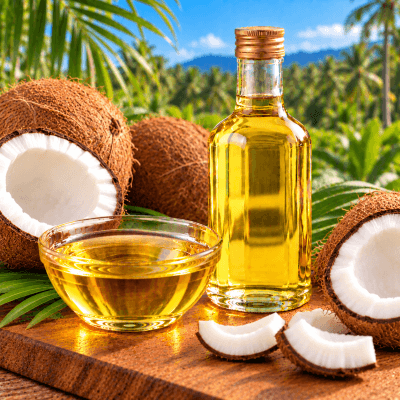
Crude Coconut Oil
Crude coconut oil is an unrefined vegetable oil extracted from the kernel or meat of matur...
Learn More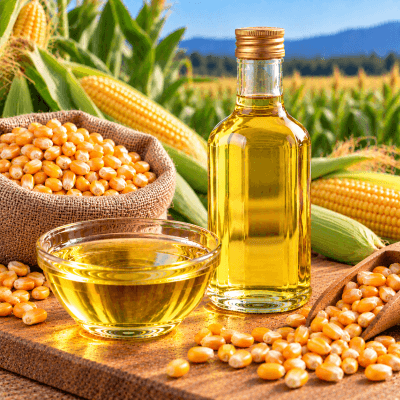
Crude Corn Oil
Crude Corn Oil is an unrefined vegetable oil obtained from corn, primarily from the germ f...
Learn More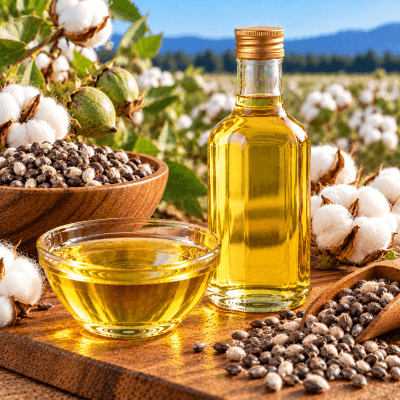
Crude Cottonseed Oil
Crude Cottonseed Oil is an unrefined vegetable oil obtained from cottonseed and primarily ...
Learn More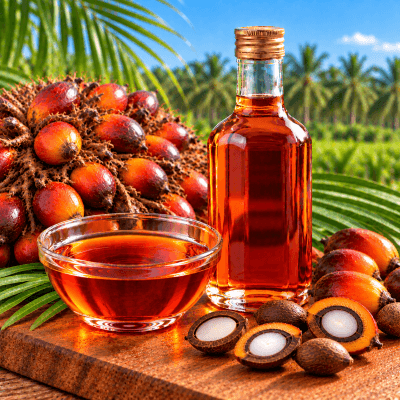
Crude Palm Kernel Oil
Crude palm kernel oil is an unrefined vegetable oil extracted from the kernel inside the f...
Learn More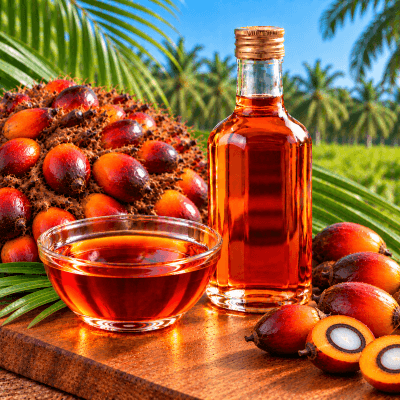
Crude Palm Oil
Crude Palm Oil (CPO) is an unrefined vegetable oil extracted from the fleshy mesocarp of o...
Learn More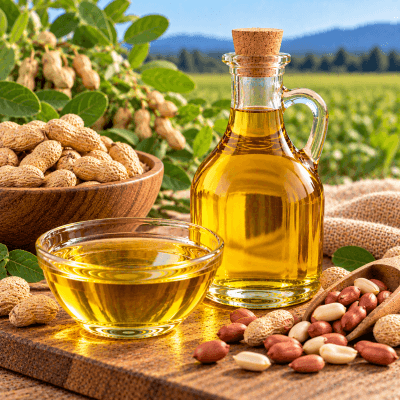
Crude Peanut Oil
Crude Peanut Oil is an unrefined vegetable oil obtained from peanuts and primarily used as...
Learn More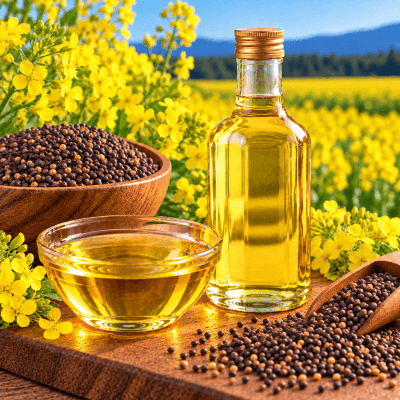
Crude Rapeseed Oil
Crude Rapeseed Oil is an unrefined vegetable oil obtained from rapeseed and primarily used...
Learn More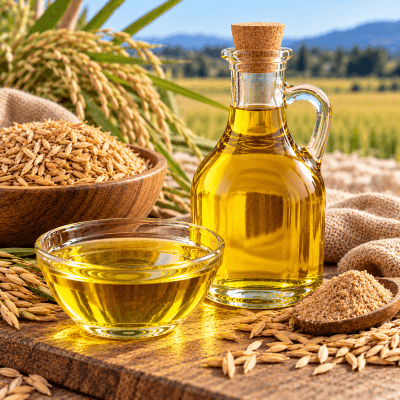
Crude Rice Bran Oil
Crude rice bran oil is an unrefined oil recovered from rice bran, the outer layers removed...
Learn More
Crude Soybean Oil
Crude soybean oil is an unrefined vegetable oil extracted from soybeans during the oil pro...
Learn More
Crude Sunflower Oil
Crude Sunflower Oil is an unrefined vegetable oil obtained from sunflower seeds and primar...
Learn More
Culinary Argan Oil
Culinary argan oil is a specialty edible oil produced from the kernels of the argan tree, ...
Learn More
Extra Virgin Avocado Oil
Extra virgin avocado oil is a premium avocado-derived oil obtained from high-quality avoca...
Learn More
Extra Virgin Olive Oil
Extra virgin olive oil is the highest category of virgin olive oil and is obtained directl...
Learn More
Flaxseed Oil
Flaxseed oil is a specialty vegetable oil obtained from the seeds of the flax plant, Linum...
Learn More
Food-Grade Margarine
Food-grade margarine is a formulated edible fat product made from vegetable oils and fats,...
Learn More
Fractionated Palm Oil
Fractionated palm oil is a specialty vegetable oil ingredient produced by separating palm ...
Learn More
Grapeseed Oil
Grapeseed oil is a specialty vegetable oil extracted from the seeds of grapes, typically r...
Learn More
Hazelnut Oil
Hazelnut oil is a specialty nut-derived oil obtained from hazelnut kernels, primarily from...
Learn More
Hemp Seed Oil
Hemp seed oil is a specialty seed oil obtained from the seeds of the hemp plant, Cannabis ...
Learn More
High-Oleic Canola Oil
High-oleic canola oil is a canola oil produced from specially selected varieties with a hi...
Learn More
High-Oleic Frying Oil
High-oleic frying oil is a vegetable oil with a higher proportion of oleic acid than conve...
Learn More
High-Oleic Rapeseed Oil
High-Oleic Rapeseed Oil is a specialty vegetable oil produced from rapeseed varieties sele...
Learn More
High-Oleic Safflower Oil
High-Oleic Safflower Oil is a specialty vegetable oil produced from safflower varieties se...
Learn More
High-Oleic Soybean Oil
High-oleic soybean oil is a specialty vegetable oil produced from soybean varieties select...
Learn More
High-Oleic Sunflower Oil
High-Oleic Sunflower Oil is a specialty vegetable oil produced from sunflower varieties se...
Learn More
Hydrogenated Vegetable Fat
Hydrogenated Vegetable Fat is a plant-based fat produced by modifying vegetable oils throu...
Learn More
Interesterified Vegetable Fat
Interesterified Vegetable Fat is a structured vegetable fat produced by rearranging the fa...
Learn More
Linseed Oil
Linseed oil is a specialty seed oil obtained from the seeds of the flax plant, Linum usita...
Learn More
Macadamia Oil
Macadamia oil is a specialty nut-derived oil obtained from macadamia kernels, primarily fr...
Learn More
Moringa Oil
Moringa oil is a specialty seed oil obtained from the seeds of Moringa oleifera, a plant w...
Learn More
Mustard Oil
Mustard oil is a distinctive seed-derived oil produced from mustard seeds and used in culi...
Learn More
Niger Seed Oil
Niger seed oil is a specialty vegetable oil extracted from the seeds of the Niger plant, c...
Learn More
Oat Oil
Oat oil is a specialty grain-derived oil obtained from oat material and is used in selecte...
Learn More
Organic Canola Oil
Organic canola oil is a plant-based edible oil produced from canola grown and handled acco...
Learn More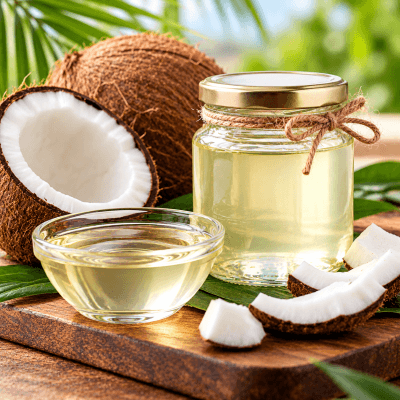
Organic Coconut Oil
Organic coconut oil is a plant-based oil obtained from coconuts produced and handled accor...
Learn More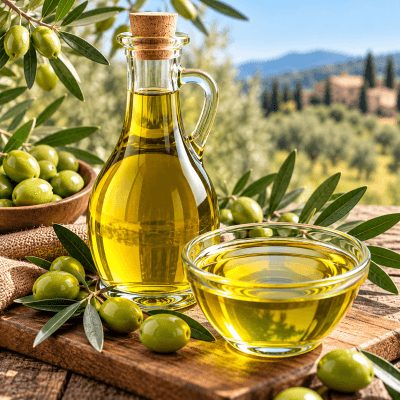
Organic Extra Virgin Olive Oil
Organic extra-virgin olive oil is an olive oil produced from olives using mechanical or ot...
Learn More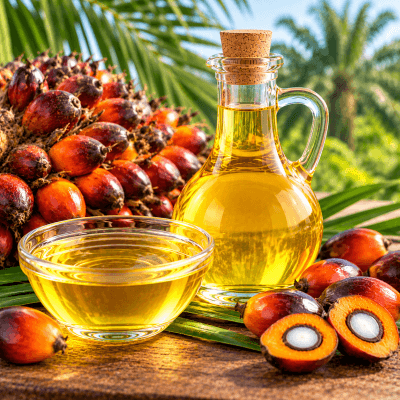
Organic Palm Olein
Organic palm olein is the liquid fraction obtained through the fractionation of palm oil. ...
Learn More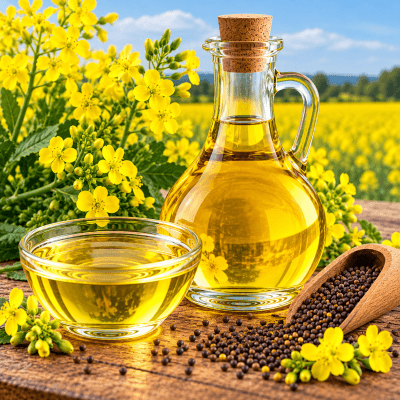
Organic Rapeseed Oil
Organic rapeseed oil is a plant-based edible oil produced from rapeseed cultivated and han...
Learn More
Organic RBD Palm Oil
Organic RBD palm oil is a refined palm-based edible oil produced through refining, bleachi...
Learn More
Organic Sesame Oil
Organic sesame oil is a plant-based edible oil obtained from sesame seeds produced accordi...
Learn More
Organic Soybean Oil
Organic soybean oil is a plant-based edible oil obtained from soybean seeds produced under...
Learn More
Organic Sunflower Oil
Organic sunflower oil is a plant-based edible oil obtained from sunflower seeds produced u...
Learn More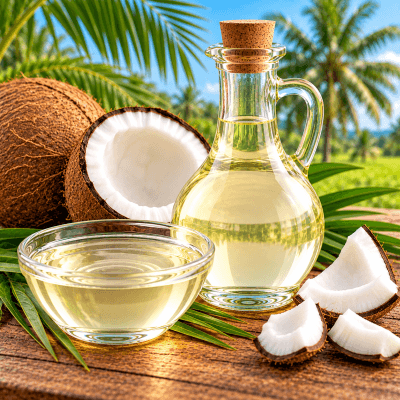
Organic Virgin Coconut Oil
Organic virgin coconut oil is a coconut-derived edible oil produced from fresh coconut mat...
Learn More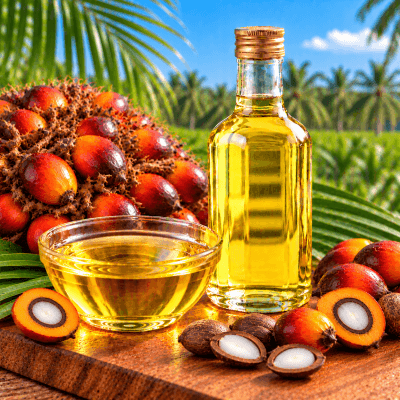
Palm Kernel Olein
Palm kernel olein is the liquid fraction obtained through the fractionation of palm kernel...
Learn More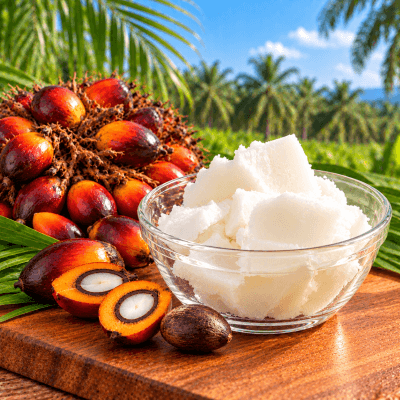
Palm Kernel Stearin
Palm kernel stearin is the solid fraction obtained through the fractionation of palm kerne...
Learn More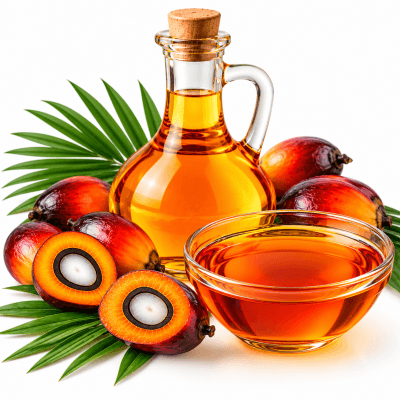
Palm Oil Blend
Palm Oil Blend is a formulated edible oil product that combines palm oil with one or more ...
Learn More
Pecan Oil
Pecan oil is a specialty nut-derived oil obtained from pecan kernels, the edible seeds of ...
Learn More
Perilla Oil
Perilla oil is a specialty seed oil obtained from the seeds of the perilla plant, particul...
Learn More
Pistachio Oil
Pistachio oil is a specialty nut-derived oil obtained from pistachio kernels, the edible s...
Learn More
Pomace Olive Oil
Pomace olive oil is an olive-derived oil obtained from olive pomace, the solid material re...
Learn More
Poppy Seed Oil
Poppy seed oil is a specialty edible oil obtained from the seeds of the poppy plant. It ha...
Learn More
Pumpkin Seed Oil
Pumpkin seed oil is a specialty vegetable oil pressed or extracted from pumpkin seeds and ...
Learn More
RBD Palm Kernel Oil
RBD palm kernel oil is a refined vegetable oil obtained from the kernel of the oil palm fr...
Learn More
RBD Palm Oil
RBD Palm Oil is refined, bleached, and deodorized palm oil obtained from the fleshy mesoca...
Learn More
RBD Palm Olein
RBD Palm Olein is the liquid fraction obtained through the refining and fractionation of p...
Learn More
RBD Palm Stearin
RBD Palm Stearin is the solid fraction obtained through the refining and fractionation of ...
Learn More
RBD Vegetable Oil
RBD Vegetable Oil is a refined, bleached, and deodorized vegetable oil processed to produc...
Learn More
Refined Avocado Oil
Refined avocado oil is a processed vegetable oil obtained from avocado fruit, primarily fr...
Learn More
Refined Canola Oil
Refined Canola Oil is a refined vegetable oil produced from canola seed, a type of low-eru...
Learn More
Refined Coconut Oil
Refined coconut oil is an edible vegetable oil produced by processing crude coconut oil to...
Learn More
Refined Cooking Oil
Refined cooking oil is vegetable oil that has undergone refining processes designed to rem...
Learn More
Refined Corn Oil
Refined Corn Oil is a vegetable oil produced primarily from corn germ and processed throug...
Learn More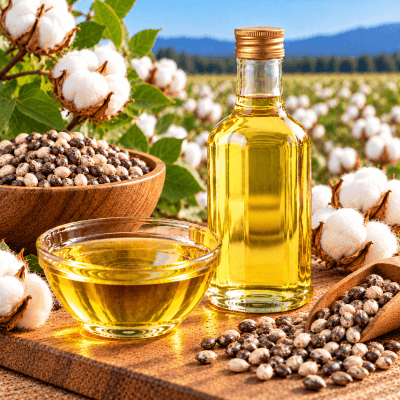
Refined Cottonseed Oil
Refined Cottonseed Oil is a vegetable oil produced from cottonseed and processed through r...
Learn More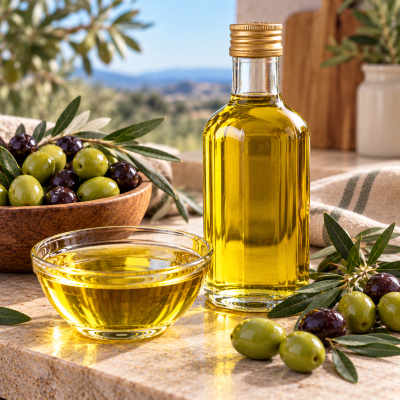
Refined Olive Oil
Refined olive oil is an olive-derived oil that has undergone refining processes to reduce ...
Learn More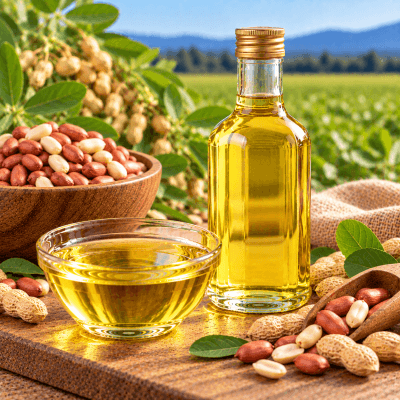
Refined Peanut Oil
Refined Peanut Oil is a food-grade vegetable oil produced from peanuts and processed throu...
Learn More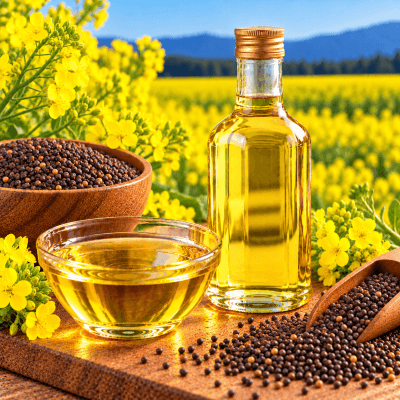
Refined Rapeseed Oil
Refined Rapeseed Oil is a vegetable oil produced from rapeseed and processed through refin...
Learn More
Refined Rice Bran Oil
Refined Rice Bran Oil is an edible vegetable oil produced from rice bran and processed thr...
Learn More
Refined Safflower Oil
Refined Safflower Oil is a vegetable oil produced from safflower seeds and processed throu...
Learn More
Refined Sesame Oil
Refined Sesame Oil is a food-grade vegetable oil produced from sesame seeds and processed ...
Learn More
Refined Soybean Oil
Refined soybean oil is an edible vegetable oil produced by processing crude soybean oil to...
Learn More
Refined Sunflower Oil
Refined Sunflower Oil is an edible vegetable oil produced from sunflower seeds and process...
Learn More
Refined Vegetable Oil
Refined vegetable oil is plant-based oil that has undergone processing to remove or reduce...
Learn More
Sunflower Oil Blend
Sunflower oil blend is a formulated vegetable oil product that combines sunflower oil with...
Learn More
Toasted Sesame Oil
Toasted Sesame Oil is a specialty culinary oil produced from sesame seeds that have been t...
Learn More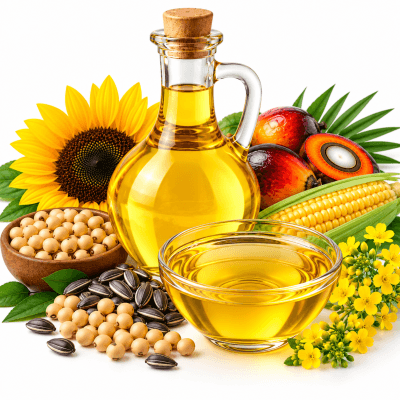
Vegetable Oil Blend
Vegetable oil blend is a formulated combination of two or more edible vegetable oils desig...
Learn More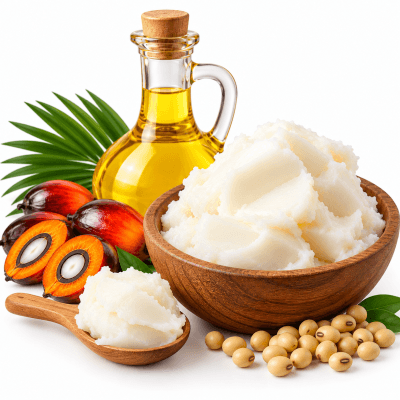
Vegetable Shortening
Vegetable shortening is a semi-solid or solid fat made from vegetable oils and formulated ...
Learn More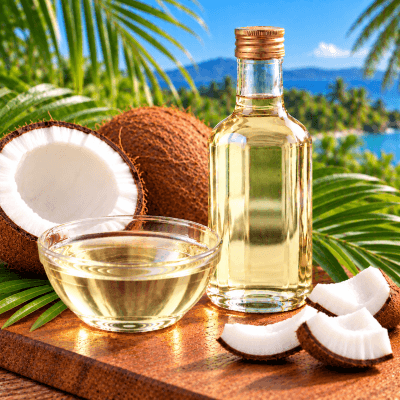
Virgin Coconut Oil
Virgin coconut oil is a specialty edible oil obtained from fresh coconut kernel or meat us...
Learn More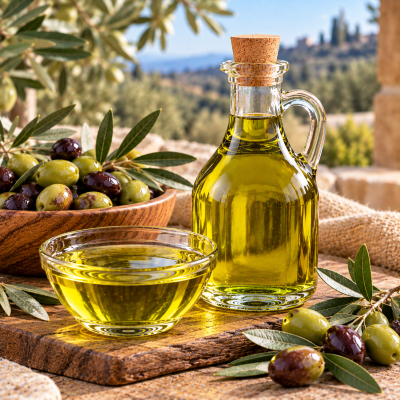
Virgin Olive Oil
Virgin olive oil is an olive-derived oil obtained directly from olives using mechanical or...
Learn More
Virgin Sesame Oil
Virgin Sesame Oil is a specialty sesame oil produced from sesame seeds using mechanical or...
Learn More
Walnut Oil
Walnut oil is a specialty nut-derived oil obtained from walnut kernels, commonly from Jugl...
Learn More
Wheat Germ Oil
Wheat germ oil is a specialty plant-derived oil obtained from the germ portion of the whea...
Learn More