Call Anytime
+1 (123) 456-7890

Blog
How to Choose the Right Vegetable Oil for Food Manufacturing
Selecting the right vegetable oil is an important decision for food manufacturers, ingredient buyers, distributors, and commercial kitchens. The oil used in a formulation can influence processing performance, texture, flavor, shelf stability, frying behavior, and the overall characteristics of the finished product.
For international buyers, choosing an oil is not simply a matter of comparing prices. The intended application, required specifications, processing method, packaging format, and supply requirements should all be considered before placing an order.
Understand the Application First
Different food applications require different oil characteristics. Frying operations may require an oil with good thermal stability, while bakery manufacturers may prioritize functionality, texture, and consistency. Salad dressings, sauces, confectionery products, and processed foods can have their own formulation requirements.
Before selecting an oil, buyers should clearly define how it will be used and which technical characteristics are important for that application.
Consider Refined, Virgin, and Cold-Pressed Oils
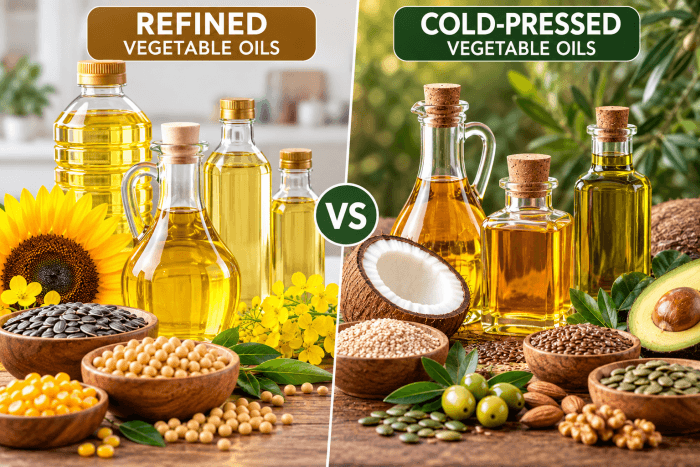
Vegetable oils are available in different processing forms. Refined oils are commonly selected when a neutral flavor and consistent performance are required. Virgin and extra-virgin oils may be preferred when natural flavor and specific sensory characteristics are important.
Cold-pressed oils can also be suitable for applications where buyers specifically want an oil produced through mechanical extraction. The appropriate choice depends on the product formulation and intended use.
Match the Oil to Processing Requirements
Manufacturers should consider factors such as:
- Frying temperature and operating conditions
- Flavor requirements
- Oxidative stability
- Desired texture
- Processing and storage conditions
- Required shelf life
- Compatibility with other ingredients
For example, high-oleic oils may be considered for applications where improved oxidative stability is an important requirement. However, the final selection should always be based on the manufacturer's technical specifications and intended application.
Consider Supply and Specification Requirements
International sourcing requires more than selecting an oil type. Buyers should establish the required product specification, quantity, packaging, delivery terms, documentation, and applicable quality requirements before confirming an order.
For businesses purchasing in bulk, consistent specifications between shipments are particularly important because changes in raw material characteristics can affect manufacturing processes and finished products.
Why a Broad Oil Portfolio Matters
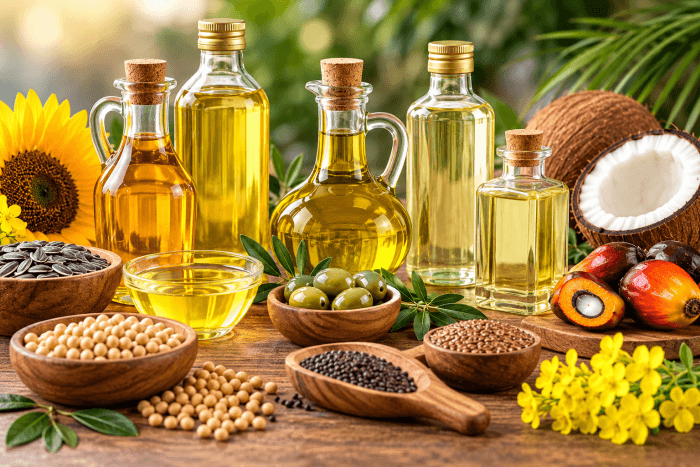
Working with a supplier offering multiple oil categories can simplify sourcing for businesses that use different oils across their product lines. Depending on requirements, buyers may source products such as sunflower oil, soybean oil, canola oil, rapeseed oil, coconut oil, palm oil, olive oil, sesame oil, avocado oil, and other specialty oils.
Huile Nature SARL supports international buyers looking for vegetable oils and specialty oils for food and commercial applications. Its broad product portfolio allows businesses to discuss sourcing requirements according to their intended application, specifications, and supply needs.
Choosing an Oil Supplier for International Sourcing
A suitable supplier should be able to communicate product specifications clearly, understand the buyer's requirements, provide appropriate documentation, and support the logistics involved in international supply.
For buyers across Asia, Europe, South America, and other international markets, evaluating the product itself alongside the supplier's ability to meet commercial and supply requirements can help create a more reliable sourcing process.
Final Considerations
There is no single vegetable oil that is suitable for every food application. The right choice depends on the formulation, processing conditions, desired characteristics, and purchasing requirements.
By defining the application first and then comparing suitable oil types against clear technical and commercial criteria, food manufacturers and ingredient buyers can make more informed sourcing decisions.
Huile Nature SARL provides a diverse range of vegetable and specialty oils for international buyers seeking suitable products for food manufacturing, processing, and other commercial applications.