Call Anytime
+33759449097

Wide Range of Edible Oils in Japan
Multiple oil varieties for diverse food and industrial requirements
Japan Export Supply
Serving buyers and business partners across international markets
B2B Wholesale Solutions in Japan
Supply options designed for wholesalers, distributors and commercial buyers
Reliable Customer Support in Japan
Clear communication from product inquiry through order coordination




Vegetable & Specialty Oil Supplier for Japan's Food Manufacturing
Japan's food manufacturing sector spans packaged foods, snack production, prepared meals, sauces, bakery products, confectionery, and foodservice. These applications can require oils with carefully defined specifications for flavor, consistency, processing performance, and suitability for the finished product.
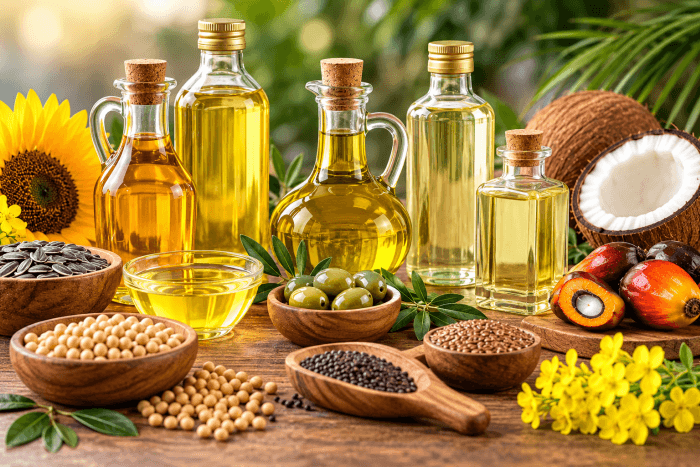
Huile Nature SARL supplies vegetable oils and specialty oils to international commercial buyers, including businesses sourcing for the Japanese market. The product portfolio includes refined edible oils, palm-derived ingredients, high-oleic oils, organic options, cold-pressed oils, and specialty oils made from seeds, nuts, and fruits.
For Japanese manufacturers, importers, ingredient suppliers, and distributors, sourcing discussions can be tailored to the required oil grade, application, quality parameters, purchase volume, packaging, and destination.
Oils for Japanese Cooking, Frying and Processed Foods
Oil selection in food production depends on the food's characteristics, cooking method, processing temperature, flavor expectations, and production requirements. Manufacturers may also need to consider oil turnover, storage stability, and the technical consistency required for repeatable production.
Products that may be relevant to Japanese food processing include:
-
Refined sunflower oil
-
High-oleic sunflower oil
-
Refined soybean oil
-
High-oleic soybean oil
-
Refined rapeseed oil
-
High-oleic rapeseed oil
-
Refined canola oil
-
RBD palm olein
-
Refined corn oil
-
Refined rice bran oil
-
Refined peanut oil
-
Refined coconut oil
These oils may be evaluated for selected frying, packaged food, prepared meal, snack, and commercial cooking applications. Final suitability depends on the actual product specification and operating conditions.
Specialty Oils for Japanese Sauces and Culinary Products
Japanese food products can require ingredients that provide a specific flavor, aroma, texture, or formulation characteristic. Specialty oils may be considered for sauces, dressings, marinades, premium packaged foods, and differentiated culinary products.
Huile Nature SARL's portfolio includes toasted sesame oil, virgin sesame oil, refined sesame oil, olive oil varieties, avocado oil, walnut oil, almond oil, hazelnut oil, macadamia oil, grapeseed oil, pumpkin seed oil, and other specialty seed and nut oils.
The appropriate choice depends on whether the oil is intended to contribute flavor, provide a formulation ingredient, or perform a technical role during manufacturing. Toasted sesame oil, for example, has a different flavor profile from refined sesame oil, so the two should not be treated as interchangeable.
Oils for Bakery, Biscuits and Confectionery
Manufacturers of bakery products, biscuits, cakes, fillings, and confectionery may require oils and fats with particular textural properties and processing characteristics.
Depending on the formulation, potentially relevant products include sunflower oil, soybean oil, coconut oil, palm oil fractions, palm stearin, palm kernel oil products, almond oil, and hazelnut oil.
For products that require a defined fat structure, the buyer should specify the desired melting behavior, consistency, flavor, and manufacturing conditions. Palm olein, palm stearin, and palm kernel stearin have different characteristics and are intended for different formulation needs.
Palm Oil Fractions and Functional Food Ingredients
Palm-derived products can be considered for food manufacturing applications where their physical characteristics suit the formulation.
Huile Nature SARL supplies a range that includes:
-
Crude palm oil
-
RBD palm oil
-
RBD palm olein
-
RBD palm stearin
-
Fractionated palm oil
-
Crude palm kernel oil
-
RBD palm kernel oil
-
Palm kernel olein
-
Palm kernel stearin
RBD means refined, bleached, and deodorized. Palm olein is the more liquid fraction of palm oil, while palm stearin is the more solid fraction. Palm kernel products are derived from the kernel and have a different fatty-acid profile from palm oil obtained from the fleshy fruit.
Crude products are generally intended for further processing. Buyers should identify the exact product and intended application when requesting a quotation.
High-Oleic Oils and Technical Selection
Some Japanese food manufacturers may require oils selected for their fatty-acid composition and performance under particular processing conditions. High-oleic sunflower oil, high-oleic soybean oil, and high-oleic rapeseed oil may be considered where their specifications suit the intended application.
A high-oleic profile can offer advantages in oxidative stability under suitable conditions, but actual performance depends on the oil, processing environment, storage, and use. Buyers should review technical specifications rather than relying on the product name alone.
Organic, Cold-Pressed and Specialty Ingredient Requirements
Premium food producers and specialty ingredient buyers may require oils with specific extraction methods, production standards, or certifications.
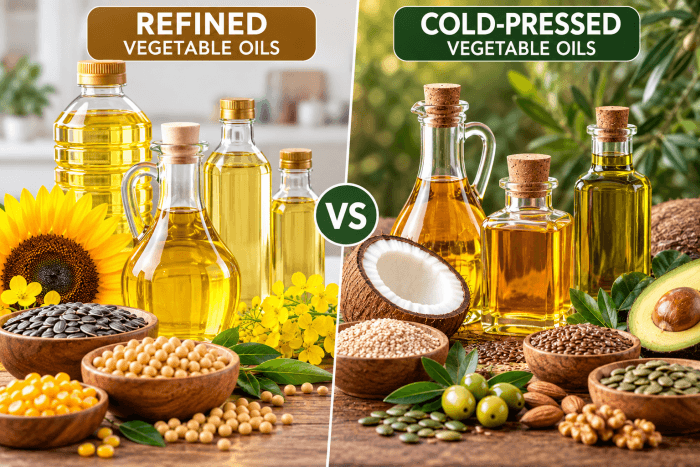
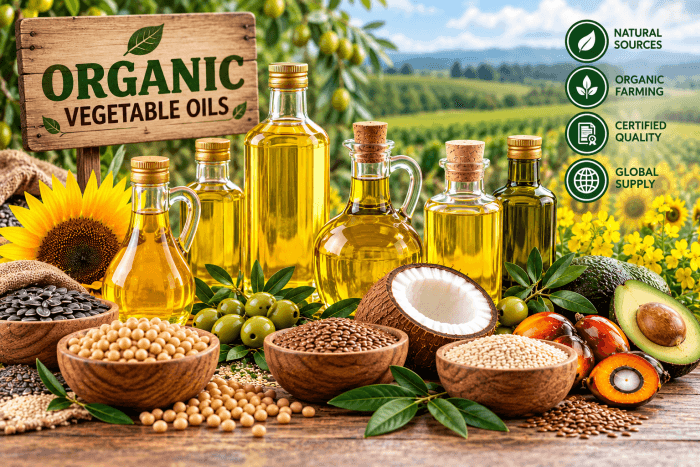
The Huile Nature SARL portfolio includes organic oils and cold-pressed products alongside virgin and extra-virgin oils. These descriptions have different meanings: organic status requires appropriate certification, while cold-pressed refers to an extraction method.
For products intended for Japan, buyers should verify the relevant documentation, labeling requirements, import conditions, and applicable food regulations. Organic certification and other product claims should be confirmed for the individual product and shipment.
Supporting Japanese Importers and Commercial Buyers
Huile Nature SARL's vegetable and specialty oil range may be relevant to:
-
Food and beverage manufacturers
-
Snack and packaged food producers
-
Prepared meal manufacturers
-
Sauce and dressing producers
-
Bakery and confectionery businesses
-
Food ingredient suppliers
-
Importers and trading companies
-
Wholesalers and distributors
-
Foodservice suppliers
-
Specialty food manufacturers
Requirements can differ considerably across these businesses. A detailed inquiry helps establish whether a product's technical characteristics match the intended use.
Quality Specifications and Import Requirements for Japan
Japanese buyers should assess both product quality and destination-market compliance before confirming a purchase. The applicable requirements depend on the oil type, intended use, processing level, and import arrangement.
When requesting supply, buyers should identify:
-
Exact oil type and grade
-
Crude, refined, organic, cold-pressed, or high-oleic requirements
-
Relevant compositional and quality parameters
-
Intended food application
-
Packaging format and purchase quantity
-
Required technical documents and certificates of analysis
-
Applicable Japanese food safety and import requirements
-
Allergen declarations or cross-contact information, where relevant
-
Any required sustainability or traceability documents
Product documentation and current Japanese regulatory requirements should be verified before shipment. Import conditions should not be assumed to be identical for all oils.
International Supply for Japan
Huile Nature SARL is headquartered at 6 Rue De Bayeux, 14000 Caen, France, and has a branch office at 6600, Plettenberg Bay, Western Cape, South Africa. The company serves international commercial markets with a diverse range of vegetable and specialty oils.
For Japanese buyers, sourcing discussions can address product selection, technical specifications, quantity, packaging, and destination requirements. Product availability, delivery arrangements, documentation, and commercial terms should be confirmed for each inquiry.
Request Vegetable or Specialty Oil Supply for Japan
If your business in Japan requires vegetable oils for frying, packaged food manufacturing, sauces, bakery, confectionery, or specialty ingredient applications, contact Huile Nature SARL with your requirements.
Include the product name, intended application, quantity, technical specification, packaging preference, delivery destination, and any required certification or documentation. This information helps determine which supply options may suit your business.
Frequently Asked Questions About Vegetable Oil Supply in Japan
Which vegetable oils can Japanese businesses source from Huile Nature SARL?
The portfolio includes sunflower, soybean, rapeseed, canola, corn, rice bran, palm, coconut, olive, avocado, sesame, peanut, safflower, grapeseed, and specialty seed and nut oils. Specific grades and availability should be confirmed.
Can Japanese food manufacturers request bulk vegetable oil supplies?
Commercial buyers can submit their required oil, quantity, application, specification, packaging preference, and delivery destination to discuss suitable sourcing options.
Does Huile Nature SARL supply sesame oil for Japanese food applications?
The portfolio includes toasted sesame oil, virgin sesame oil, and refined sesame oil. The choice depends on the required flavor profile, intended use, and technical specification.
Which oils may be suitable for frying and snack production in Japan?
Depending on the process, manufacturers may evaluate sunflower oil, high-oleic sunflower oil, soybean oil, rapeseed oil, and RBD palm olein. Suitability depends on the required specification and operating conditions.
What is the difference between palm olein and palm stearin?
Palm olein is the more liquid fraction of palm oil, while palm stearin is the more solid fraction. Their different physical properties make them suitable for different applications.
Are organic and cold-pressed oils available for the Japanese market?
Organic oils and cold-pressed products are included in the portfolio. Buyers should confirm product-specific availability, certification, documentation, and compliance with applicable Japanese requirements.
What documents should a Japanese importer request?
Depending on the product and shipment, relevant documents may include technical specifications, certificates of analysis, origin documents, and applicable food safety or certification records. Current import requirements should be checked for the specific oil.
Can Japanese manufacturers source specialty oils for premium foods?
The portfolio includes walnut, almond, hazelnut, macadamia, pumpkin seed, grapeseed, camelina, perilla, and other specialty oils, subject to product specifications and availability.
How can a Japanese business request a quotation?
Provide the product name, grade, intended application, quantity, required specification, packaging preference, delivery destination, and any relevant certification or documentation requirements.
Our Edible Oil Products
A Diverse Selection of Oils for Food, Manufacturing and Global B2B Supply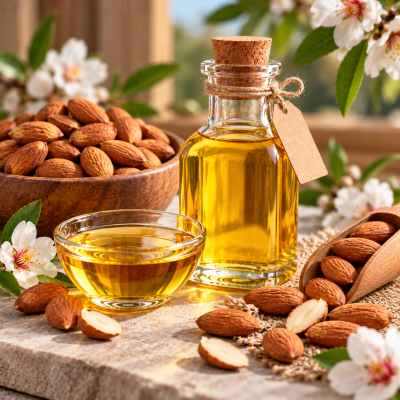
Almond Oil
Almond oil is a specialty nut-derived oil obtained from almond kernels, primarily from Prunus dulcis. Its mild...
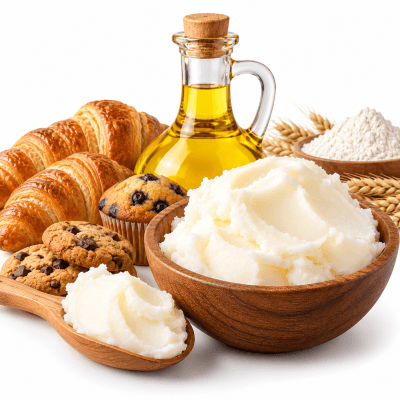
Bakery Shortening
Bakery shortening is a structured vegetable fat used in baking and food manufacturing where a consistent fat t...
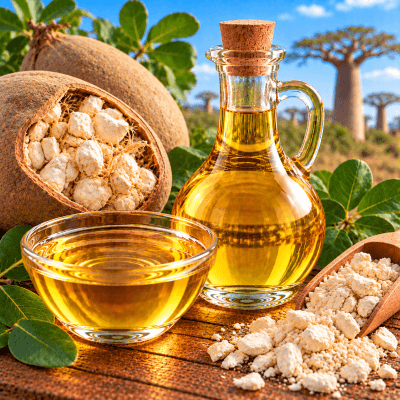
Baobab Oil
Baobab oil is a specialty plant oil obtained from the seeds of the baobab fruit. It is less common than mainst...
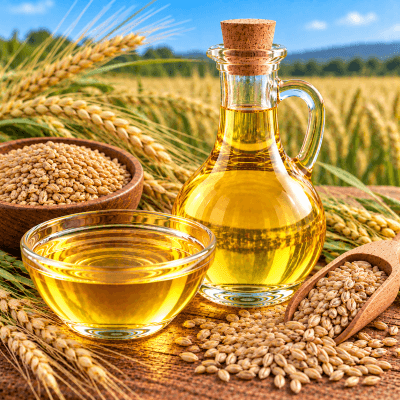
Barley Oil
Barley oil is a specialty grain-derived oil associated with barley, a cereal grain widely used in food and ing...

Black Seed Oil
Black seed oil is a specialty seed oil obtained from the seeds of Nigella sativa, commonly known as black seed...
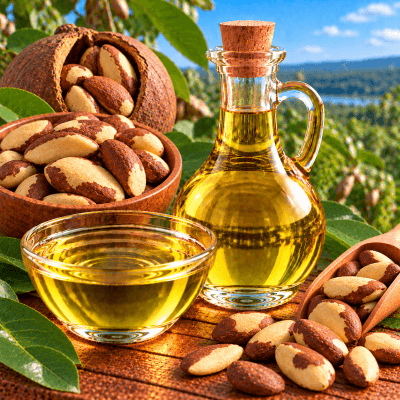
Brazil Nut Oil
Brazil nut oil is a specialty nut-derived oil obtained from Brazil nuts, the seeds of Bertholletia excelsa. It...
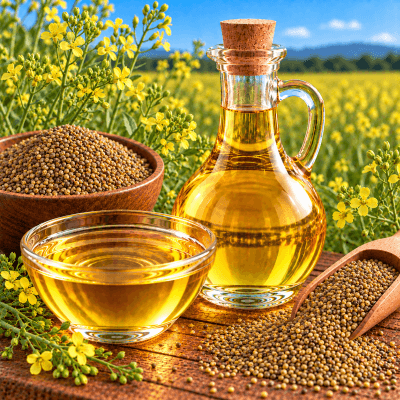
Camelina Oil
Camelina oil is a specialty seed oil obtained from camelina, particularly Camelina sativa, an oilseed crop bel...
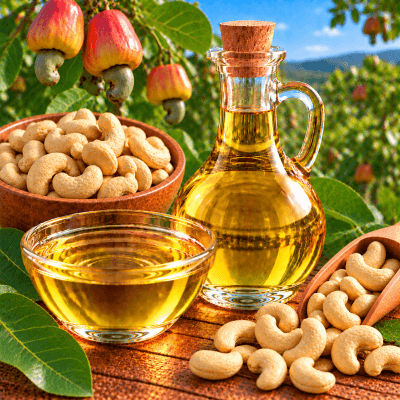
Cashew Oil
Cashew oil is a specialty nut-derived oil obtained from cashew kernels, Anacardium occidentale. It can be used...
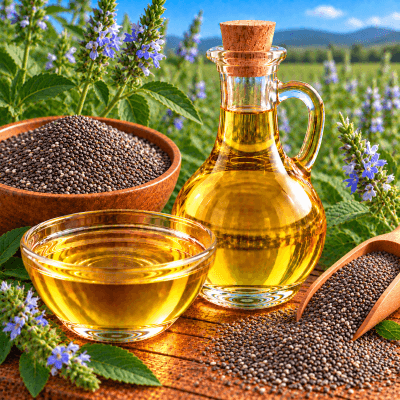
Chia Seed Oil
Chia seed oil is a specialty vegetable oil obtained from the seeds of Salvia hispanica. It is particularly rel...
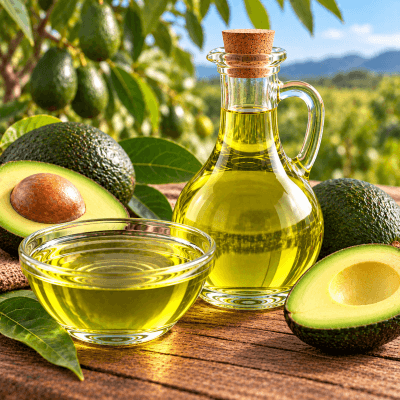
Cold-Pressed Avocado Oil
Cold-pressed avocado oil is a specialty edible oil obtained from avocado fruit using mechanical extraction met...
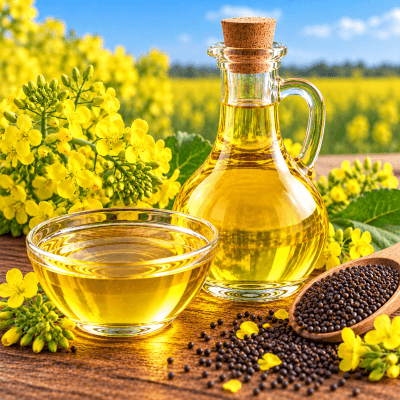
Cold-Pressed Canola Oil
Cold-pressed canola oil is a specialty vegetable oil obtained from canola seeds through mechanical extraction,...
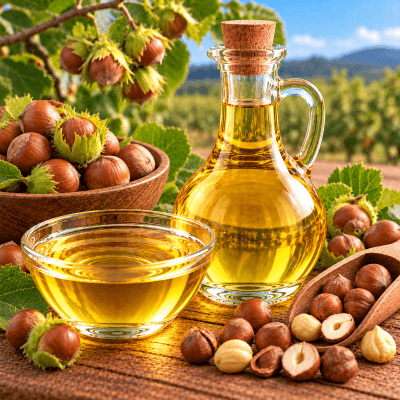
Cold-Pressed Hazelnut Oil
Cold-pressed hazelnut oil is a specialty nut oil obtained from hazelnut kernels through mechanical extraction....
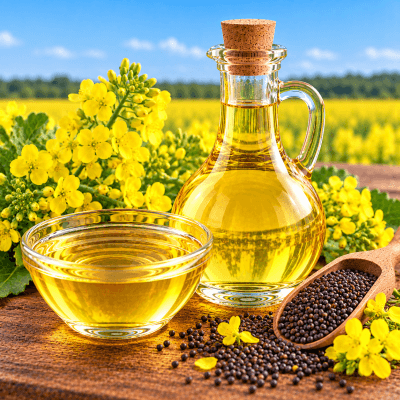
Cold-Pressed Rapeseed Oil
Cold-pressed rapeseed oil is a specialty vegetable oil obtained from rapeseed through mechanical extraction. I...
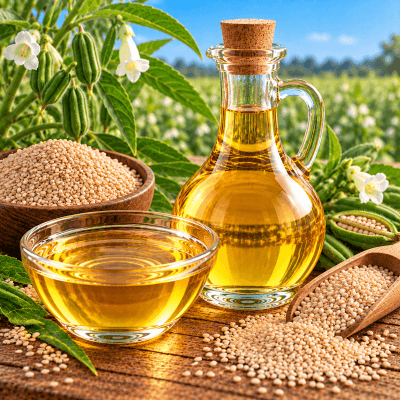
Cold-Pressed Sesame Oil
Cold-pressed sesame oil is a specialty vegetable oil obtained from sesame seeds through mechanical extraction....
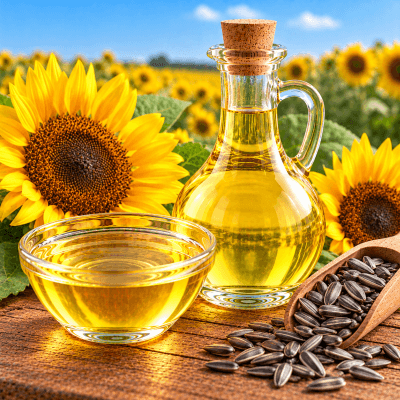
Cold-Pressed Sunflower Oil
Cold-pressed sunflower oil is a specialty vegetable oil obtained from sunflower seeds through mechanical extra...
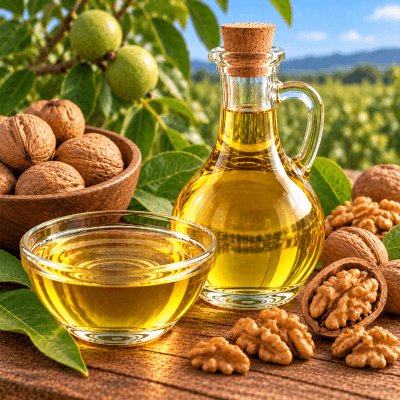
Cold-Pressed Walnut Oil
Cold-pressed walnut oil is a specialty edible oil obtained from walnut kernels through mechanical extraction. ...
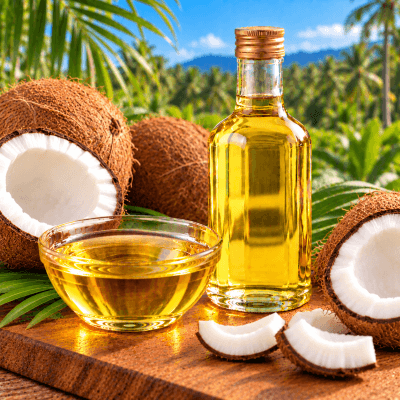
Crude Coconut Oil
Crude coconut oil is an unrefined vegetable oil extracted from the kernel or meat of mature coconuts. It is an...
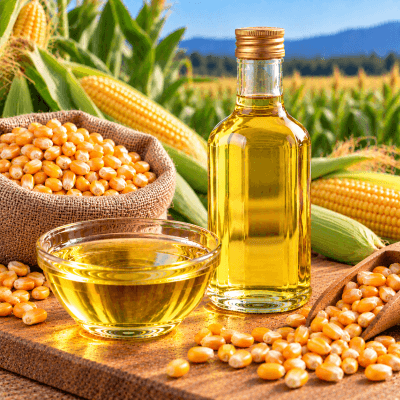
Crude Corn Oil
Crude Corn Oil is an unrefined vegetable oil obtained from corn, primarily from the germ fraction, and is comm...
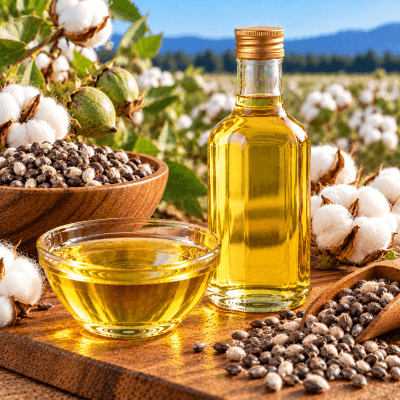
Crude Cottonseed Oil
Crude Cottonseed Oil is an unrefined vegetable oil obtained from cottonseed and primarily used as a feedstock ...

Crude Palm Kernel Oil
Crude palm kernel oil is an unrefined vegetable oil extracted from the kernel inside the fruit of the oil palm...

Crude Palm Oil
Crude Palm Oil (CPO) is an unrefined vegetable oil extracted from the fleshy mesocarp of oil palm fruits. It i...
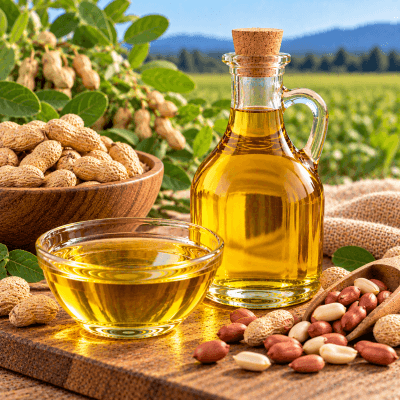
Crude Peanut Oil
Crude Peanut Oil is an unrefined vegetable oil obtained from peanuts and primarily used as a feedstock for fur...
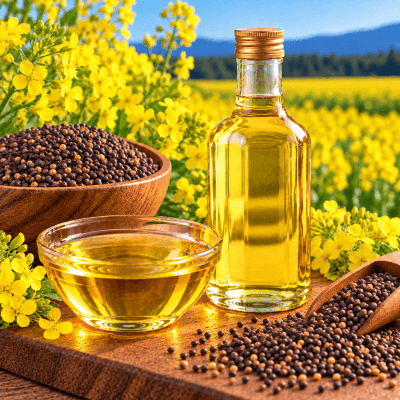
Crude Rapeseed Oil
Crude Rapeseed Oil is an unrefined vegetable oil obtained from rapeseed and primarily used as a feedstock for ...
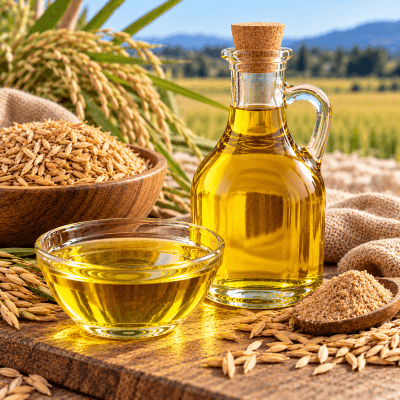
Crude Rice Bran Oil
Crude rice bran oil is an unrefined oil recovered from rice bran, the outer layers removed during rice milling...
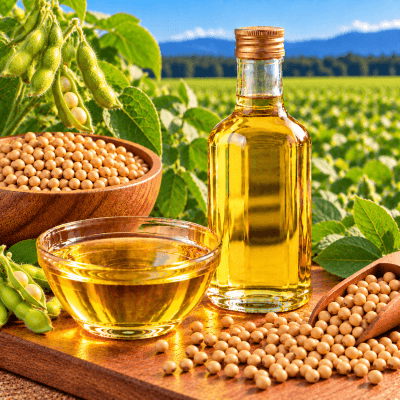
Crude Soybean Oil
Crude soybean oil is an unrefined vegetable oil extracted from soybeans during the oil production process. It ...

Crude Sunflower Oil
Crude Sunflower Oil is an unrefined vegetable oil obtained from sunflower seeds and primarily used as a feedst...
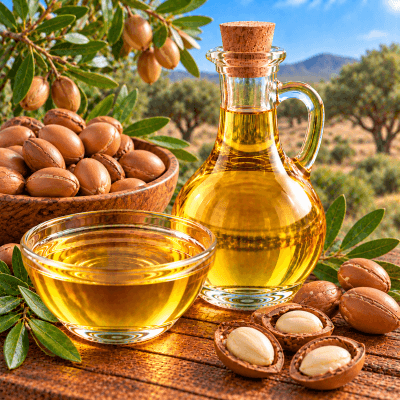
Culinary Argan Oil
Culinary argan oil is a specialty edible oil produced from the kernels of the argan tree, Argania spinosa. Unl...
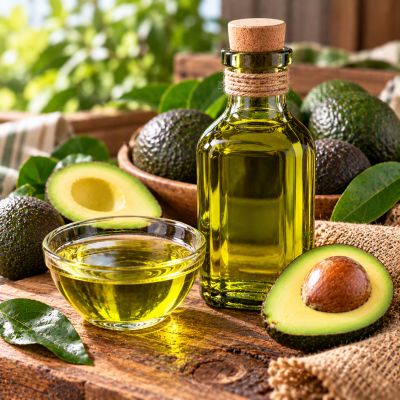
Extra Virgin Avocado Oil
Extra virgin avocado oil is a premium avocado-derived oil obtained from high-quality avocado fruit and produce...
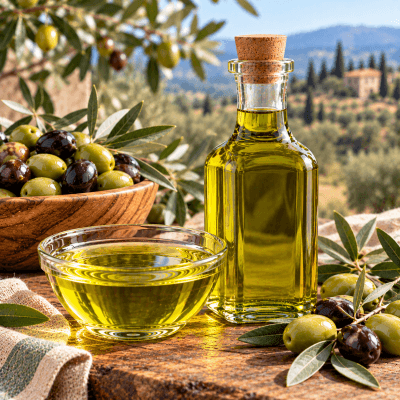
Extra Virgin Olive Oil
Extra virgin olive oil is the highest category of virgin olive oil and is obtained directly from olives throug...

Flaxseed Oil
Flaxseed oil is a specialty vegetable oil obtained from the seeds of the flax plant, Linum usitatissimum. In f...
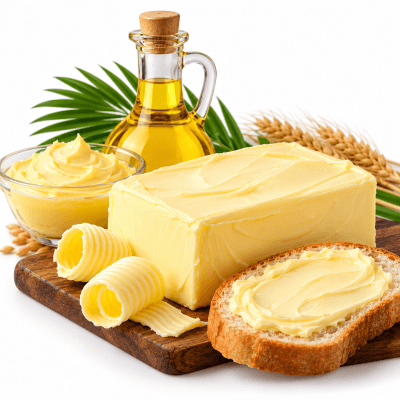
Food-Grade Margarine
Food-grade margarine is a formulated edible fat product made from vegetable oils and fats, typically combined ...
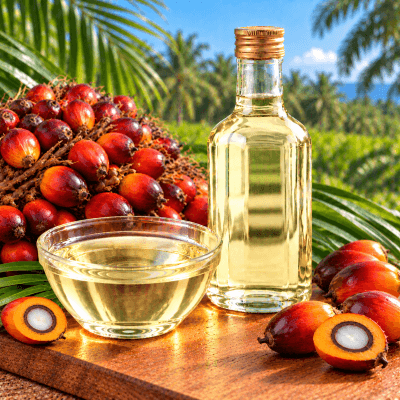
Fractionated Palm Oil
Fractionated palm oil is a specialty vegetable oil ingredient produced by separating palm oil into different f...
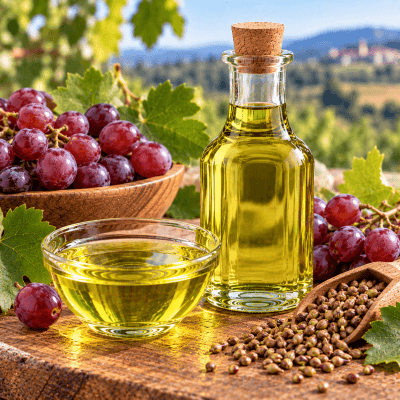
Grapeseed Oil
Grapeseed oil is a specialty vegetable oil extracted from the seeds of grapes, typically recovered as a by-pro...
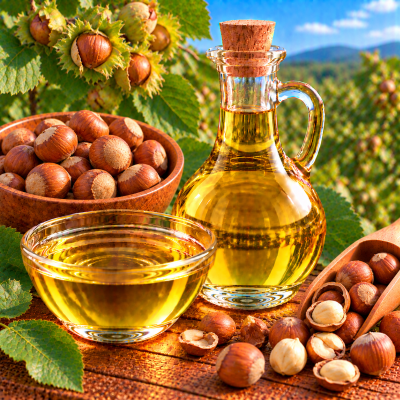
Hazelnut Oil
Hazelnut oil is a specialty nut-derived oil obtained from hazelnut kernels, primarily from Corylus species. It...

Hemp Seed Oil
Hemp seed oil is a specialty seed oil obtained from the seeds of the hemp plant, Cannabis sativa. Unlike canna...
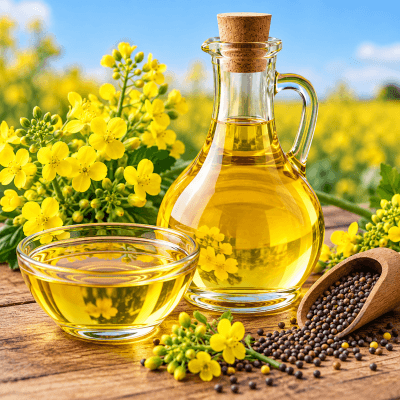
High-Oleic Canola Oil
High-oleic canola oil is a canola oil produced from specially selected varieties with a higher proportion of o...
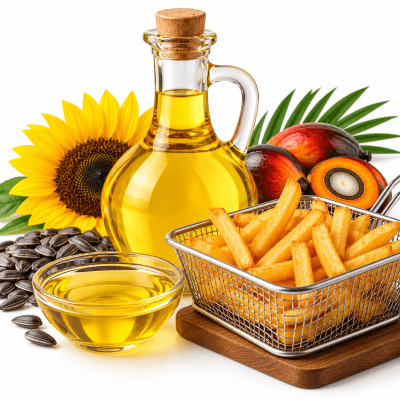
High-Oleic Frying Oil
High-oleic frying oil is a vegetable oil with a higher proportion of oleic acid than conventional varieties of...
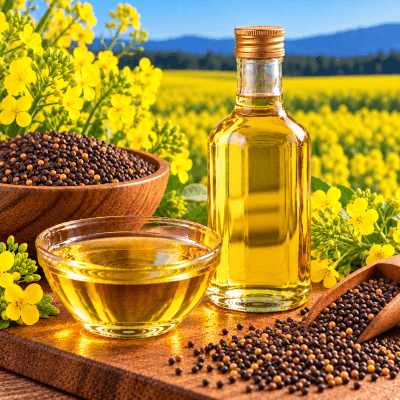
High-Oleic Rapeseed Oil
High-Oleic Rapeseed Oil is a specialty vegetable oil produced from rapeseed varieties selected for a higher pr...
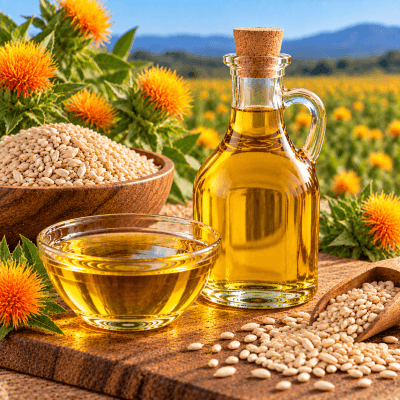
High-Oleic Safflower Oil
High-Oleic Safflower Oil is a specialty vegetable oil produced from safflower varieties selected for a higher ...
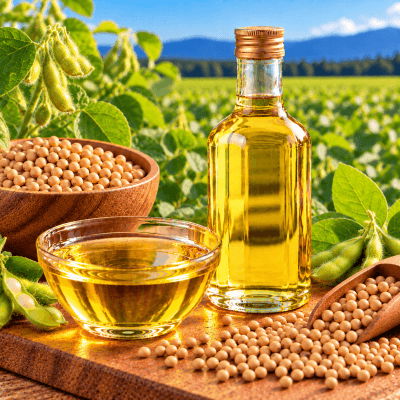
High-Oleic Soybean Oil
High-oleic soybean oil is a specialty vegetable oil produced from soybean varieties selected for an increased ...

High-Oleic Sunflower Oil
High-Oleic Sunflower Oil is a specialty vegetable oil produced from sunflower varieties selected for a higher ...
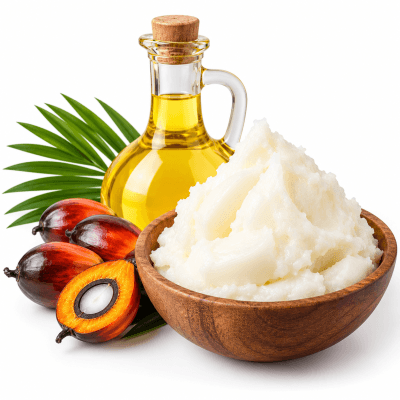
Hydrogenated Vegetable Fat
Hydrogenated Vegetable Fat is a plant-based fat produced by modifying vegetable oils through hydrogenation to ...
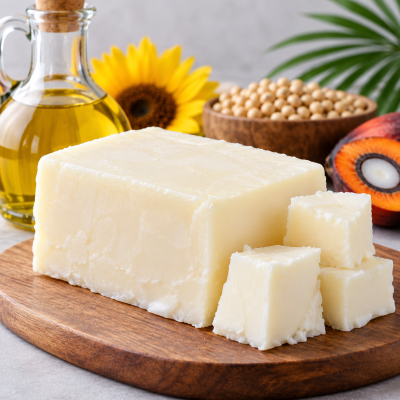
Interesterified Vegetable Fat
Interesterified Vegetable Fat is a structured vegetable fat produced by rearranging the fatty acids within tri...

Linseed Oil
Linseed oil is a specialty seed oil obtained from the seeds of the flax plant, Linum usitatissimum. When inten...
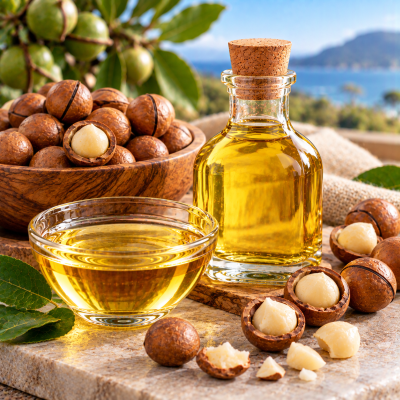
Macadamia Oil
Macadamia oil is a specialty nut-derived oil obtained from macadamia kernels, primarily from Macadamia integri...

Moringa Oil
Moringa oil is a specialty seed oil obtained from the seeds of Moringa oleifera, a plant widely cultivated in ...

Mustard Oil
Mustard oil is a distinctive seed-derived oil produced from mustard seeds and used in culinary, food manufactu...
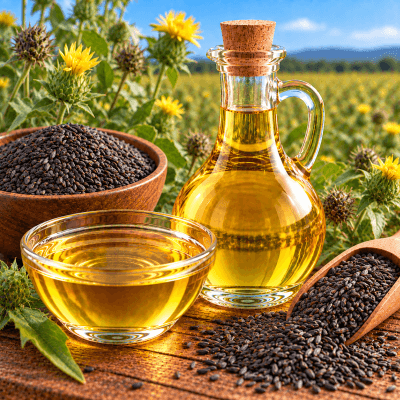
Niger Seed Oil
Niger seed oil is a specialty vegetable oil extracted from the seeds of the Niger plant, commonly associated w...
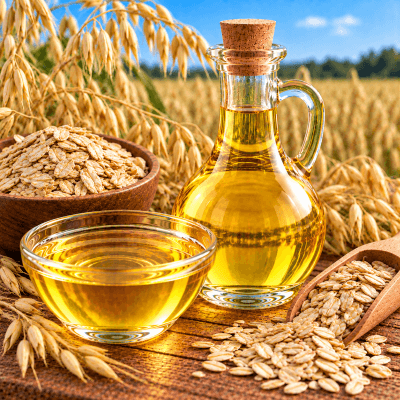
Oat Oil
Oat oil is a specialty grain-derived oil obtained from oat material and is used in selected food, ingredient, ...
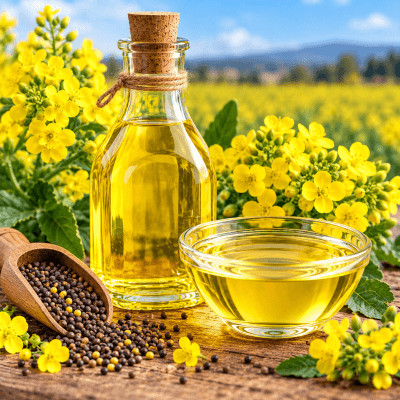
Organic Canola Oil
Organic canola oil is a plant-based edible oil produced from canola grown and handled according to applicable ...
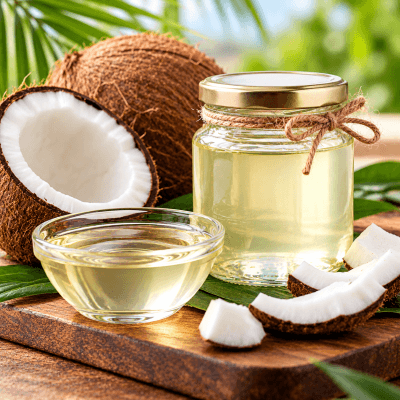
Organic Coconut Oil
Organic coconut oil is a plant-based oil obtained from coconuts produced and handled according to applicable o...
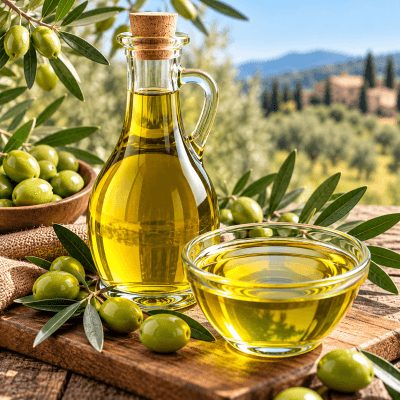
Organic Extra Virgin Olive Oil
Organic extra-virgin olive oil is an olive oil produced from olives using mechanical or other physical methods...
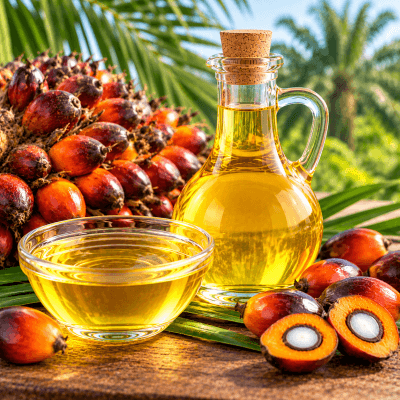
Organic Palm Olein
Organic palm olein is the liquid fraction obtained through the fractionation of palm oil. It is used in food m...
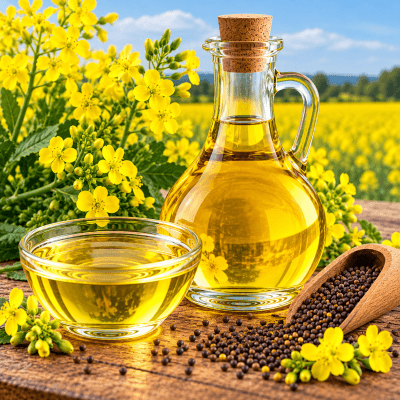
Organic Rapeseed Oil
Organic rapeseed oil is a plant-based edible oil produced from rapeseed cultivated and handled according to ap...
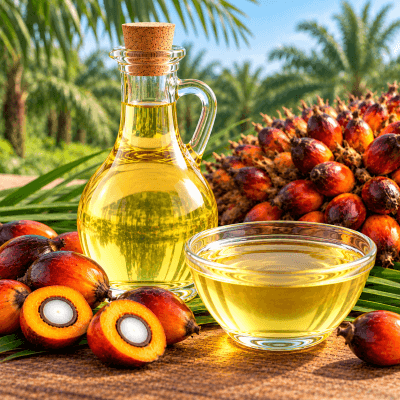
Organic RBD Palm Oil
Organic RBD palm oil is a refined palm-based edible oil produced through refining, bleaching, and deodorizatio...
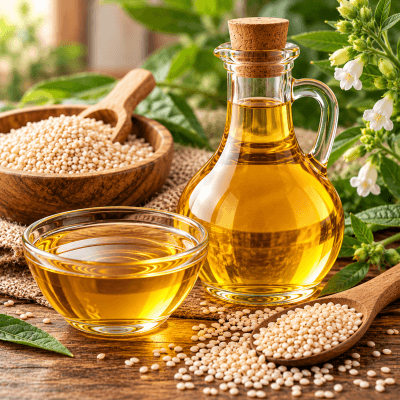
Organic Sesame Oil
Organic sesame oil is a plant-based edible oil obtained from sesame seeds produced according to applicable org...
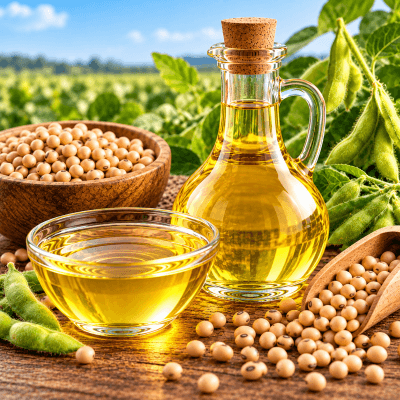
Organic Soybean Oil
Organic soybean oil is a plant-based edible oil obtained from soybean seeds produced under applicable organic ...
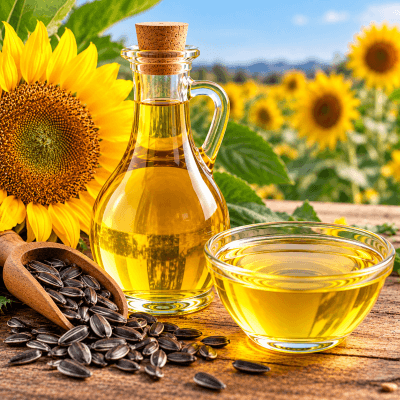
Organic Sunflower Oil
Organic sunflower oil is a plant-based edible oil obtained from sunflower seeds produced under applicable orga...
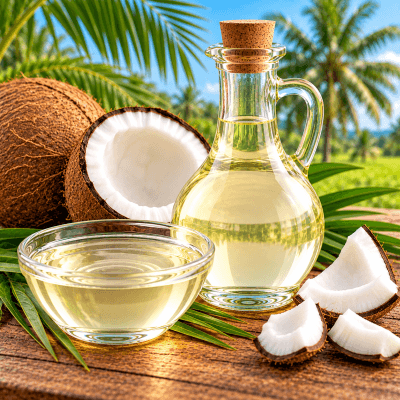
Organic Virgin Coconut Oil
Organic virgin coconut oil is a coconut-derived edible oil produced from fresh coconut material using processi...
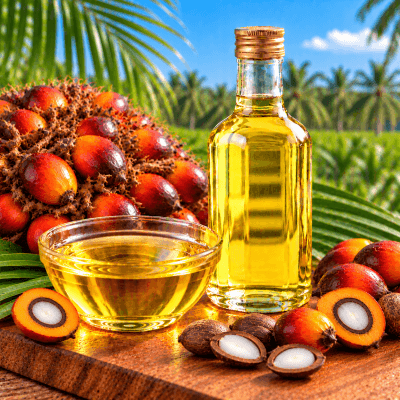
Palm Kernel Olein
Palm kernel olein is the liquid fraction obtained through the fractionation of palm kernel oil. It is a specia...
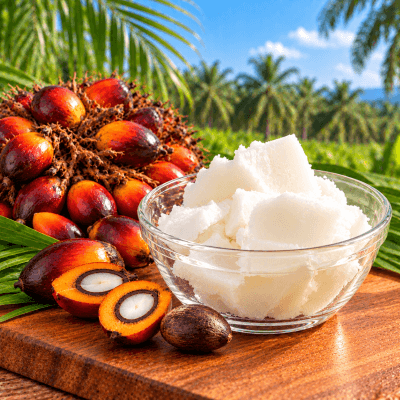
Palm Kernel Stearin
Palm kernel stearin is the solid fraction obtained through the fractionation of palm kernel oil. It is a speci...
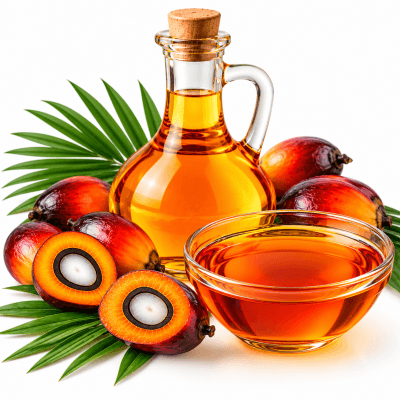
Palm Oil Blend
Palm Oil Blend is a formulated edible oil product that combines palm oil with one or more other vegetable oils...
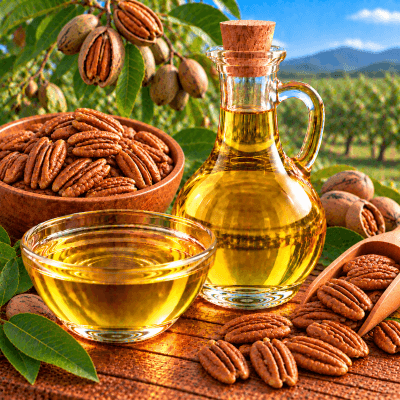
Pecan Oil
Pecan oil is a specialty nut-derived oil obtained from pecan kernels, the edible seeds of Carya illinoinensis....
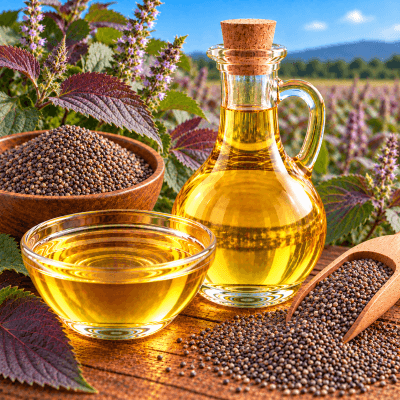
Perilla Oil
Perilla oil is a specialty seed oil obtained from the seeds of the perilla plant, particularly Perilla frutesc...
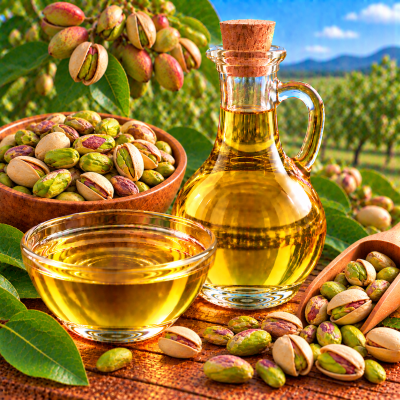
Pistachio Oil
Pistachio oil is a specialty nut-derived oil obtained from pistachio kernels, the edible seeds of Pistacia ver...
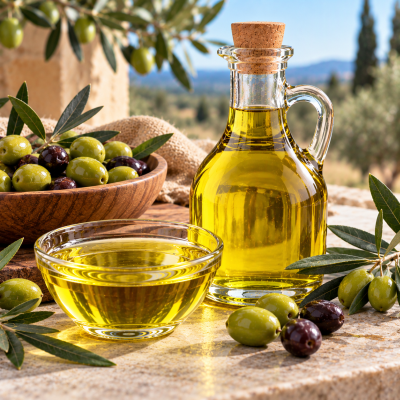
Pomace Olive Oil
Pomace olive oil is an olive-derived oil obtained from olive pomace, the solid material remaining after the in...
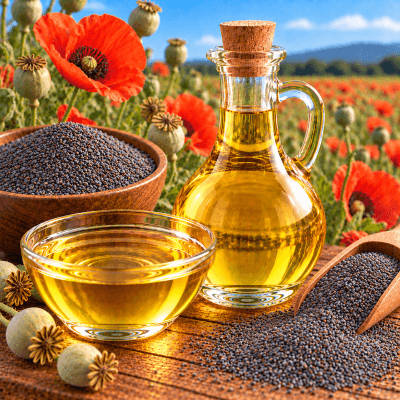
Poppy Seed Oil
Poppy seed oil is a specialty edible oil obtained from the seeds of the poppy plant. It has a distinctive culi...
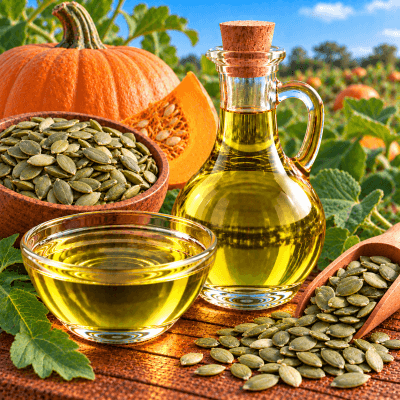
Pumpkin Seed Oil
Pumpkin seed oil is a specialty vegetable oil pressed or extracted from pumpkin seeds and used in culinary, fo...
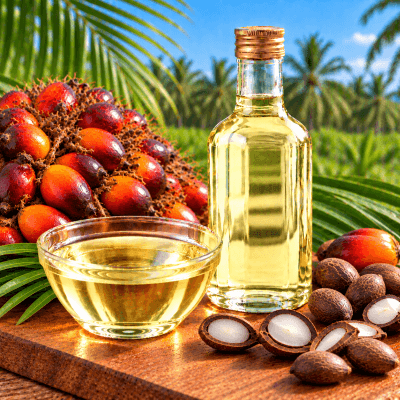
RBD Palm Kernel Oil
RBD palm kernel oil is a refined vegetable oil obtained from the kernel of the oil palm fruit. The abbreviatio...

RBD Palm Oil
RBD Palm Oil is refined, bleached, and deodorized palm oil obtained from the fleshy mesocarp of oil palm fruit...
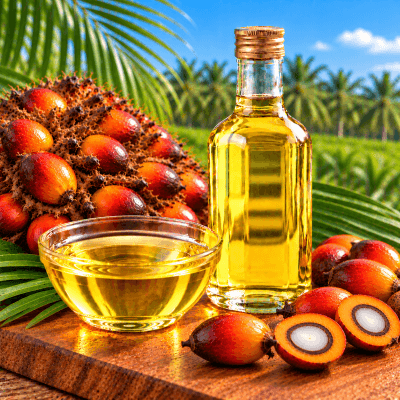
RBD Palm Olein
RBD Palm Olein is the liquid fraction obtained through the refining and fractionation of palm oil. RBD stands ...
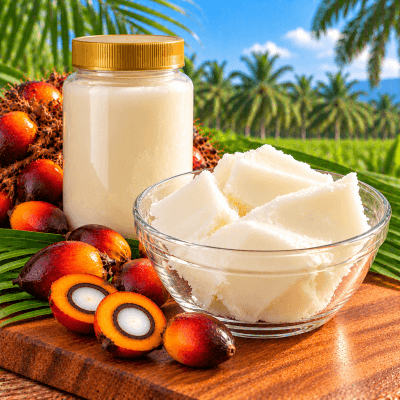
RBD Palm Stearin
RBD Palm Stearin is the solid fraction obtained through the refining and fractionation of palm oil. The abbrev...
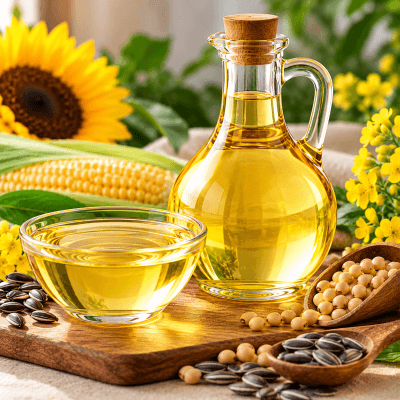
RBD Vegetable Oil
RBD Vegetable Oil is a refined, bleached, and deodorized vegetable oil processed to produce a cleaner appearan...
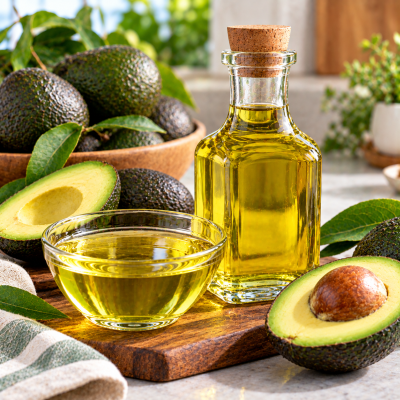
Refined Avocado Oil
Refined avocado oil is a processed vegetable oil obtained from avocado fruit, primarily from Persea americana....
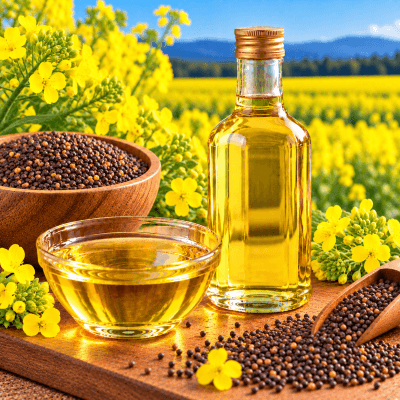
Refined Canola Oil
Refined Canola Oil is a refined vegetable oil produced from canola seed, a type of low-erucic-acid rapeseed de...

Refined Coconut Oil
Refined coconut oil is an edible vegetable oil produced by processing crude coconut oil to reduce free fatty a...
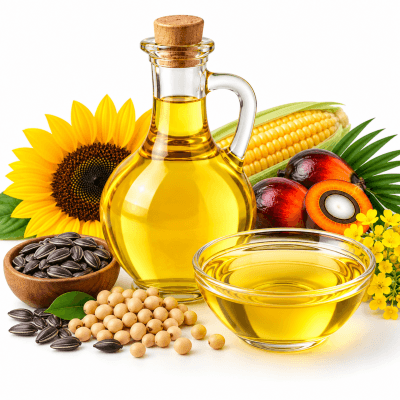
Refined Cooking Oil
Refined cooking oil is vegetable oil that has undergone refining processes designed to remove or reduce unwant...
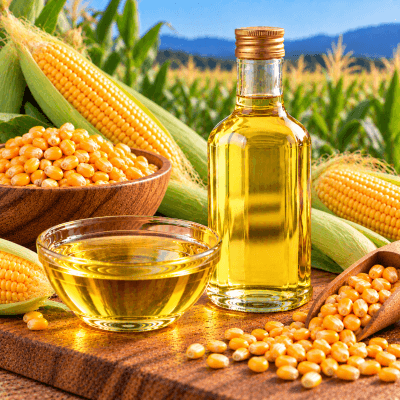
Refined Corn Oil
Refined Corn Oil is a vegetable oil produced primarily from corn germ and processed through refining stages to...
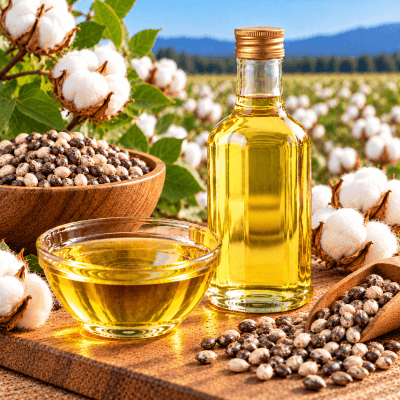
Refined Cottonseed Oil
Refined Cottonseed Oil is a vegetable oil produced from cottonseed and processed through refining stages to re...
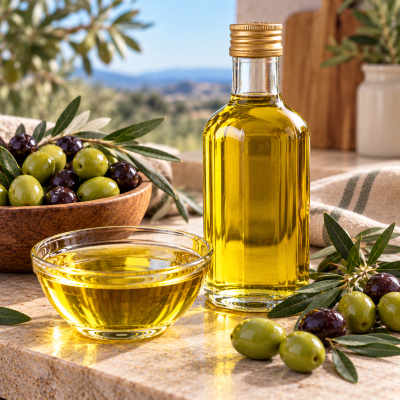
Refined Olive Oil
Refined olive oil is an olive-derived oil that has undergone refining processes to reduce undesirable sensory ...
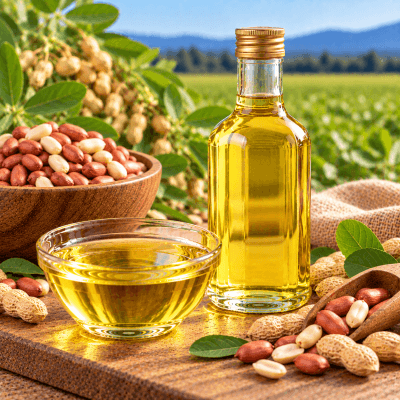
Refined Peanut Oil
Refined Peanut Oil is a food-grade vegetable oil produced from peanuts and processed through refining stages t...
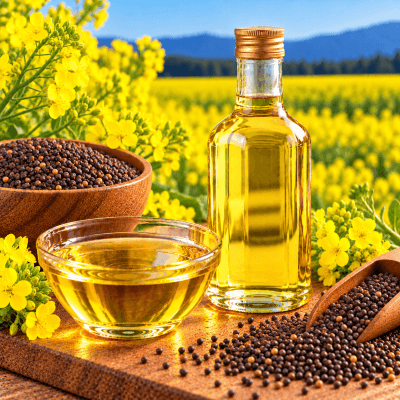
Refined Rapeseed Oil
Refined Rapeseed Oil is a vegetable oil produced from rapeseed and processed through refining stages to achiev...
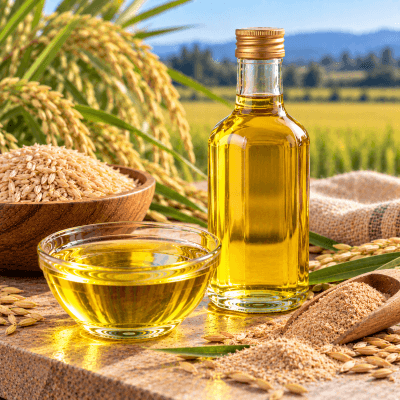
Refined Rice Bran Oil
Refined Rice Bran Oil is an edible vegetable oil produced from rice bran and processed through refining steps ...
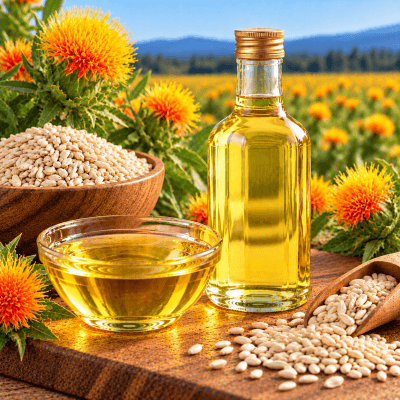
Refined Safflower Oil
Refined Safflower Oil is a vegetable oil produced from safflower seeds and processed through refining stages t...
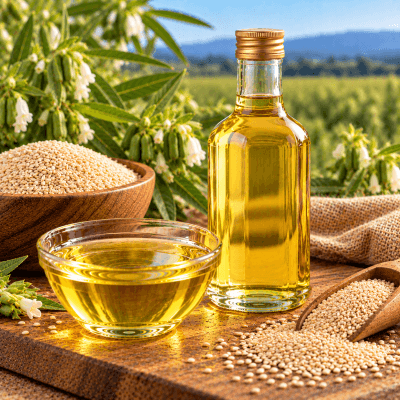
Refined Sesame Oil
Refined Sesame Oil is a food-grade vegetable oil produced from sesame seeds and processed through refining ste...
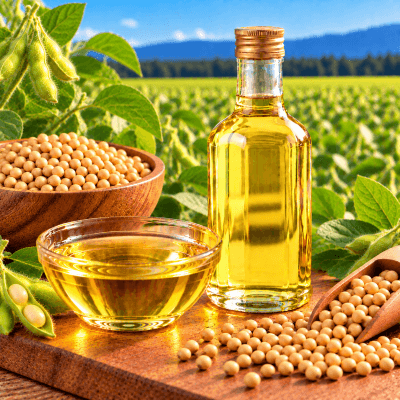
Refined Soybean Oil
Refined soybean oil is an edible vegetable oil produced by processing crude soybean oil to reduce impurities, ...
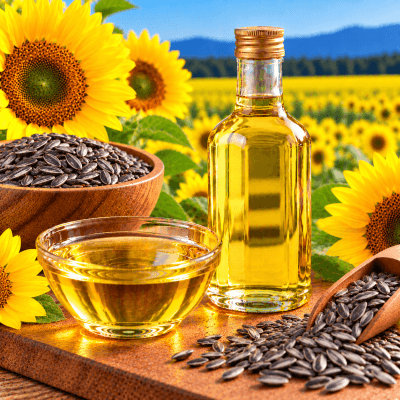
Refined Sunflower Oil
Refined Sunflower Oil is an edible vegetable oil produced from sunflower seeds and processed through refining ...
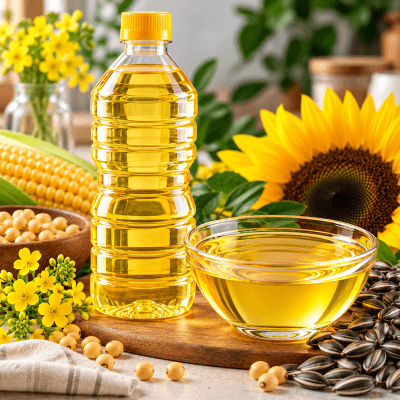
Refined Vegetable Oil
Refined vegetable oil is plant-based oil that has undergone processing to remove or reduce components that can...
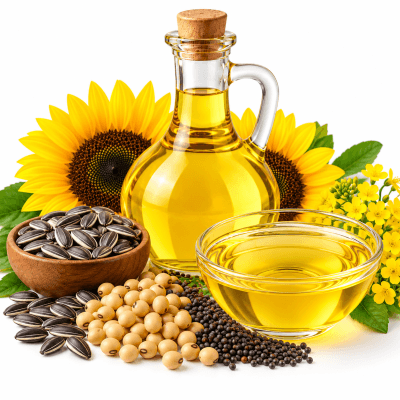
Sunflower Oil Blend
Sunflower oil blend is a formulated vegetable oil product that combines sunflower oil with one or more other e...
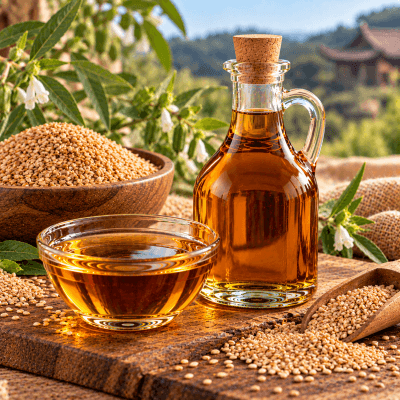
Toasted Sesame Oil
Toasted Sesame Oil is a specialty culinary oil produced from sesame seeds that have been toasted before oil ex...
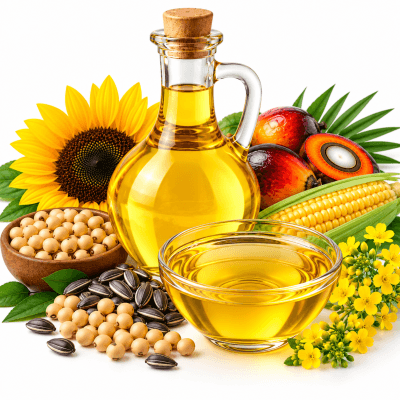
Vegetable Oil Blend
Vegetable oil blend is a formulated combination of two or more edible vegetable oils designed to provide chara...
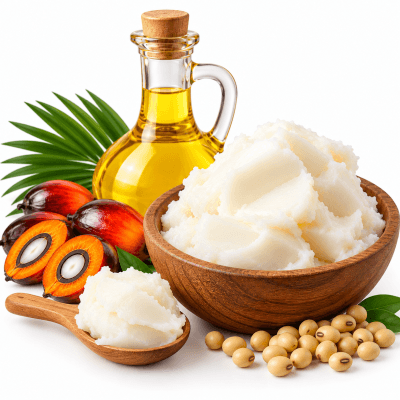
Vegetable Shortening
Vegetable shortening is a semi-solid or solid fat made from vegetable oils and formulated for food application...

Virgin Coconut Oil
Virgin coconut oil is a specialty edible oil obtained from fresh coconut kernel or meat using processing metho...
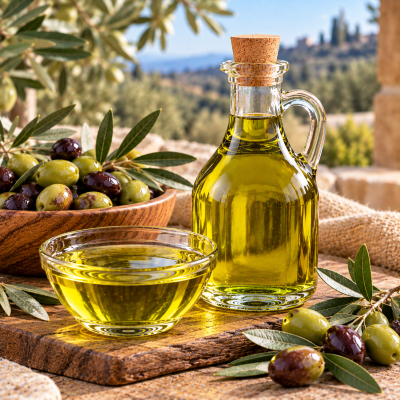
Virgin Olive Oil
Virgin olive oil is an olive-derived oil obtained directly from olives using mechanical or other physical meth...
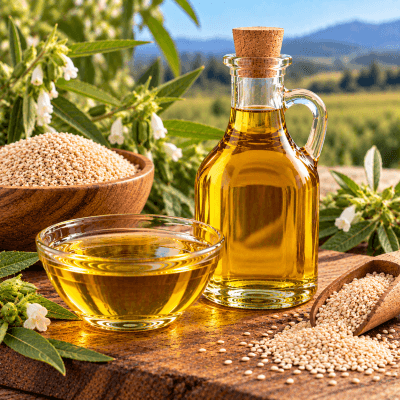
Virgin Sesame Oil
Virgin Sesame Oil is a specialty sesame oil produced from sesame seeds using mechanical or physical extraction...
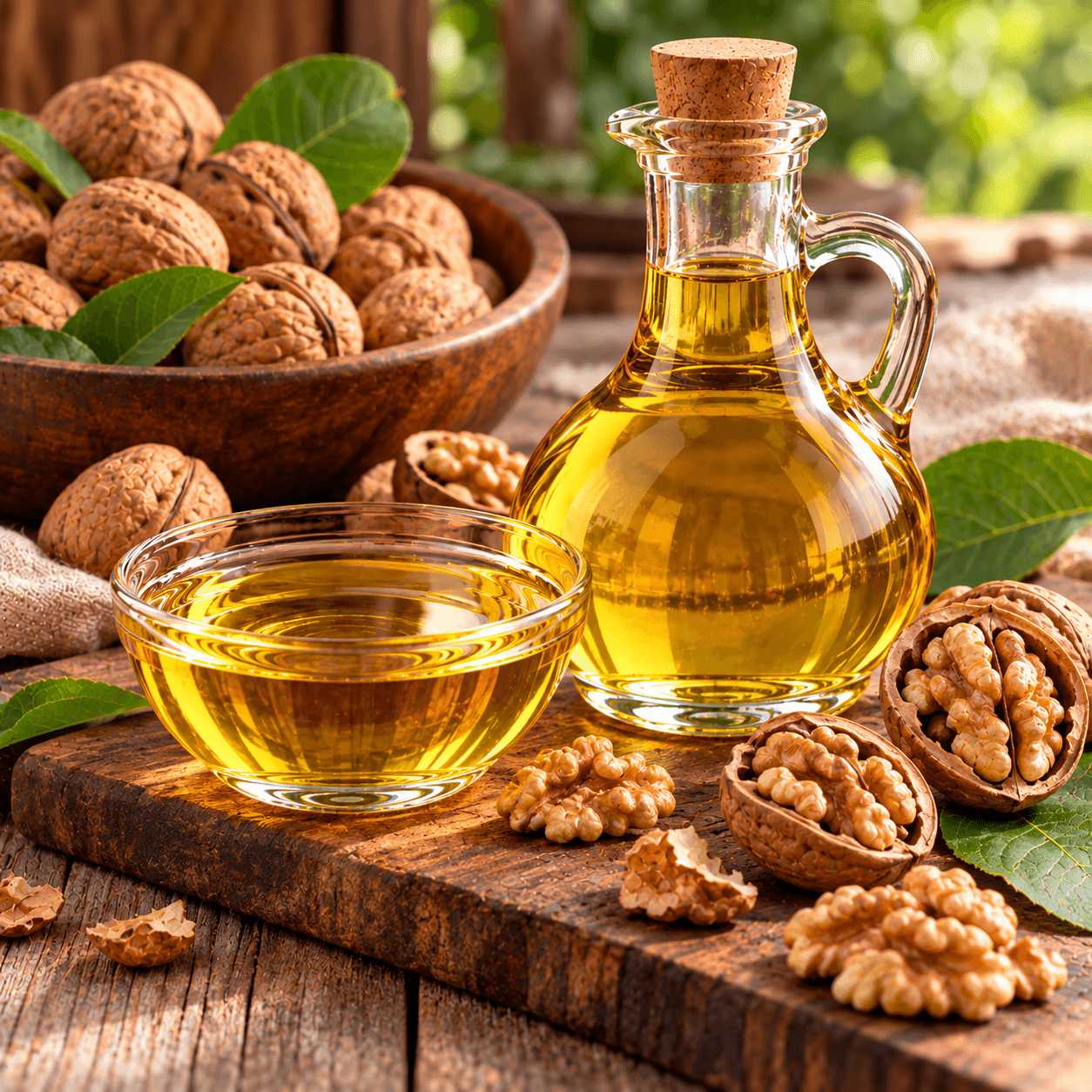
Walnut Oil
Walnut oil is a specialty nut-derived oil obtained from walnut kernels, commonly from Juglans regia and relate...
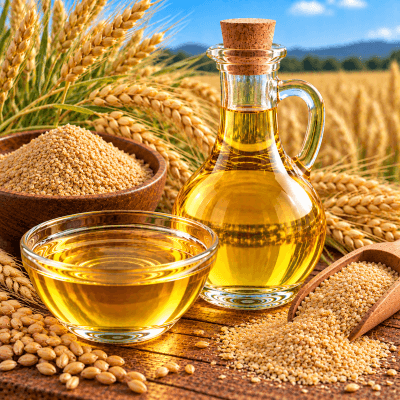
Wheat Germ Oil
Wheat germ oil is a specialty plant-derived oil obtained from the germ portion of the wheat kernel. The wheat ...
Featured Products
Explore Our Featured Range of Vegetable & Specialty Oils
Almond Oil
Almond oil is a specialty nut-derived oil obtained from almond kernels, primarily from Prunus dulcis. Its mild...
Bakery Shortening
Bakery shortening is a structured vegetable fat used in baking and food manufacturing where a consistent fat t...
Baobab Oil
Baobab oil is a specialty plant oil obtained from the seeds of the baobab fruit. It is less common than mainst...
Barley Oil
Barley oil is a specialty grain-derived oil associated with barley, a cereal grain widely used in food and ing...
Black Seed Oil
Black seed oil is a specialty seed oil obtained from the seeds of Nigella sativa, commonly known as black seed...
Brazil Nut Oil
Brazil nut oil is a specialty nut-derived oil obtained from Brazil nuts, the seeds of Bertholletia excelsa. It...
Camelina Oil
Camelina oil is a specialty seed oil obtained from camelina, particularly Camelina sativa, an oilseed crop bel...
Cashew Oil
Cashew oil is a specialty nut-derived oil obtained from cashew kernels, Anacardium occidentale. It can be used...
Quality Edible Oils for Japan Markets
Explore our range of edible oils for food manufacturers, wholesalers, distributors and commercial buyers Japan.
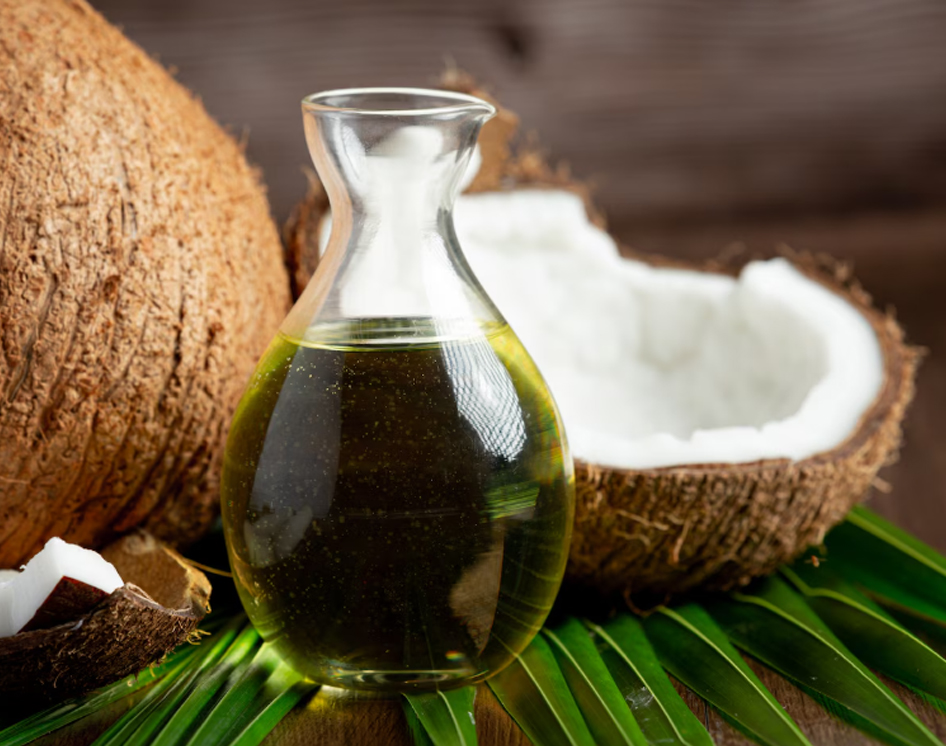
Supplying Edible Oils in Japan
Why Choose Huile Nature SARL?
-
Quality-Focused Approach
We maintain attention to product specifications, handling and quality requirements throughout the supply process in Japan.
-
Clear Product Information
Buyers can access relevant product details to help them evaluate oils according to their specific requirements in Japan.
-
Responsive Communication
We aim to provide clear and timely communication from initial inquiry through order coordination.
-
Japan Market Understanding
Our export-oriented approach is designed to support business requirements across Japan markets.
What They’re
Talking About
Huile Nature SARL
Huile Nature SARL has been very professional throughout our sourcing process. Their product range gives us access to different vegetable and specialty oils, while their communication and documentation have made international purchasing much easier.

Daniel Morgan
Procurement Manager
We were looking for a dependable supplier for edible oils with consistent specifications. Huile Nature SARL understood our requirements clearly and provided a smooth sourcing experience from inquiry through delivery arrangements.

Sofia Laurent
Purchasing Director
Working with Huile Nature SARL has been straightforward and efficient. Their team responds clearly to product inquiries and understands the requirements of international buyers. Their broad portfolio is particularly useful for our sourcing needs.

Michael Tan
International Buyer
What stood out to us was the variety of oils available through Huile Nature SARL. We were able to discuss several product options according to our application and sourcing requirements rather than dealing with multiple suppliers

Carlos Mendes
Supply Chain Manager
Huile Nature SARL has provided a professional experience with clear communication and attention to our specifications. Their international approach and range of oil products make them a useful supplier for businesses looking for dependable sourcing solutions.

Emma Richardson
Commercial Manager
News & Articles


Frequently Asked Question
What types of vegetable and specialty oils does Huile Nature SARL supply in Japan?
Huile Nature SARL offers a broad portfolio of vegetable and specialty oils for commercial buyers in Japan, including sunflower oil, soybean oil, rapeseed oil, canola oil, coconut oil, olive oil, palm oil, palm olein, palm stearin, sesame oil, avocado oil, and selected seed and nut oils. Refined, high-oleic, organic, and cold-pressed options may also be available, subject to product specifications and availability.
Does Huile Nature SARL supply vegetable oils to businesses in Japan?
Huile Nature SARL welcomes international supply enquiries from food manufacturers, food processors, ingredient buyers, importers, wholesalers, distributors, and other commercial customers in Japan. Supply arrangements depend on the requested product, quantity, destination, documentation, and applicable import requirements.
Can businesses in Japan request bulk vegetable oil supplies?
Commercial buyers in Japan can submit enquiries for bulk and other suitable commercial quantities. To help assess your requirements, provide the oil type, estimated volume, product specification, preferred packaging format, delivery destination, and expected purchasing schedule.
Which vegetable oils are suitable for commercial frying and food processing in Japan?
Depending on the application, suitable options for businesses in Japan may include refined sunflower oil, high-oleic sunflower oil, soybean oil, canola oil, palm olein, and other refined vegetable oils. Product selection depends on processing temperatures, flavour requirements, fatty-acid profile, equipment, and the intended finished product.
Does Huile Nature SARL supply oils and vegetable fats for bakeries and food manufacturers in Japan?
Huile Nature SARL's portfolio includes products for relevant bakery, confectionery, and food manufacturing applications in Japan. Depending on the formulation, buyers may enquire about palm fractions, vegetable shortening, bakery shortening, margarine, and selected vegetable oil blends with suitable functional characteristics.
Can buyers in Japan enquire about organic and cold-pressed vegetable oils?
Yes. Commercial buyers in Japan can enquire about selected organic and cold-pressed oils for suitable food and ingredient applications. Required certifications and supporting documentation should be specified and verified for the particular product and destination market before an order is confirmed.
Can customers in Japan request vegetable oil specifications and quality documentation?
Buyers sourcing vegetable oils for Japan can specify their technical and documentation requirements. Depending on the product and transaction, relevant information may include grade, fatty-acid profile, processing method, country of origin, traceability, allergen information, and applicable certificates. The availability of specific documents must be confirmed for each product.
Does Huile Nature SARL offer customised packaging or vegetable oil blends for Japan?
Buyers in Japan can include their preferred packaging format, blend requirements, and technical specifications in a commercial enquiry. The feasibility of customised blends or packaging arrangements depends on the requested specifications and the supply options available for the transaction.
What information is required to request a vegetable oil quotation in Japan?
To request a quotation for supply to Japan, provide the product name, required grade or specification, intended application, estimated quantity, preferred packaging, delivery destination, and any required certificates or import documents. Additional information about processing conditions and functional requirements can help clarify product suitability.
What should importers check before importing vegetable oils into Japan?
Importers sourcing vegetable oils for Japan should confirm the applicable product classification, food safety and import rules, labelling requirements, country-of-origin documentation, traceability information, and relevant certification or allergen requirements. Regulations vary by product and market, so buyers should verify current requirements with the appropriate authorities or a qualified local compliance specialist.